
Australia’s multicultural affairs minister urges non-English speaking migrants to not live only with their community.
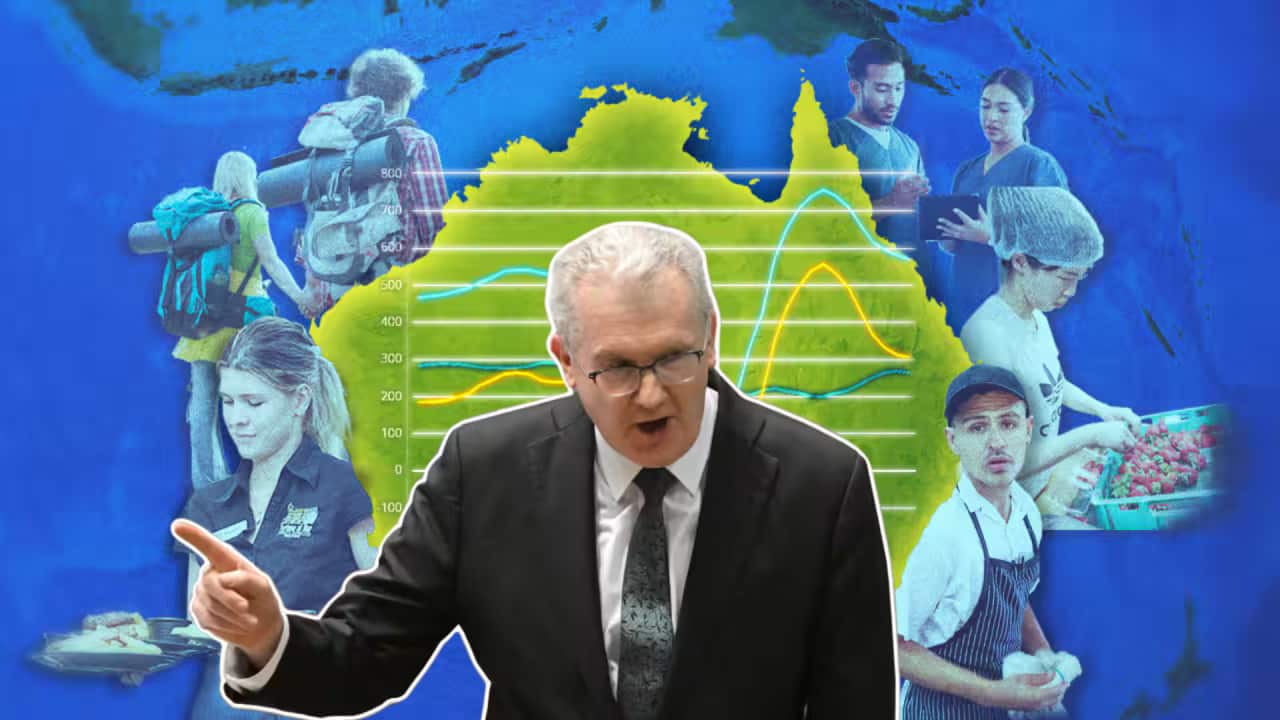
Australia’s citizenship and multicultural-affairs minister says more needs to be done to help migrants integrate into society, citing poor English skills he says lead to fewer employment opportunities.
But the leaders of support services argue migrants are finding ways to establish themselves in their new country.
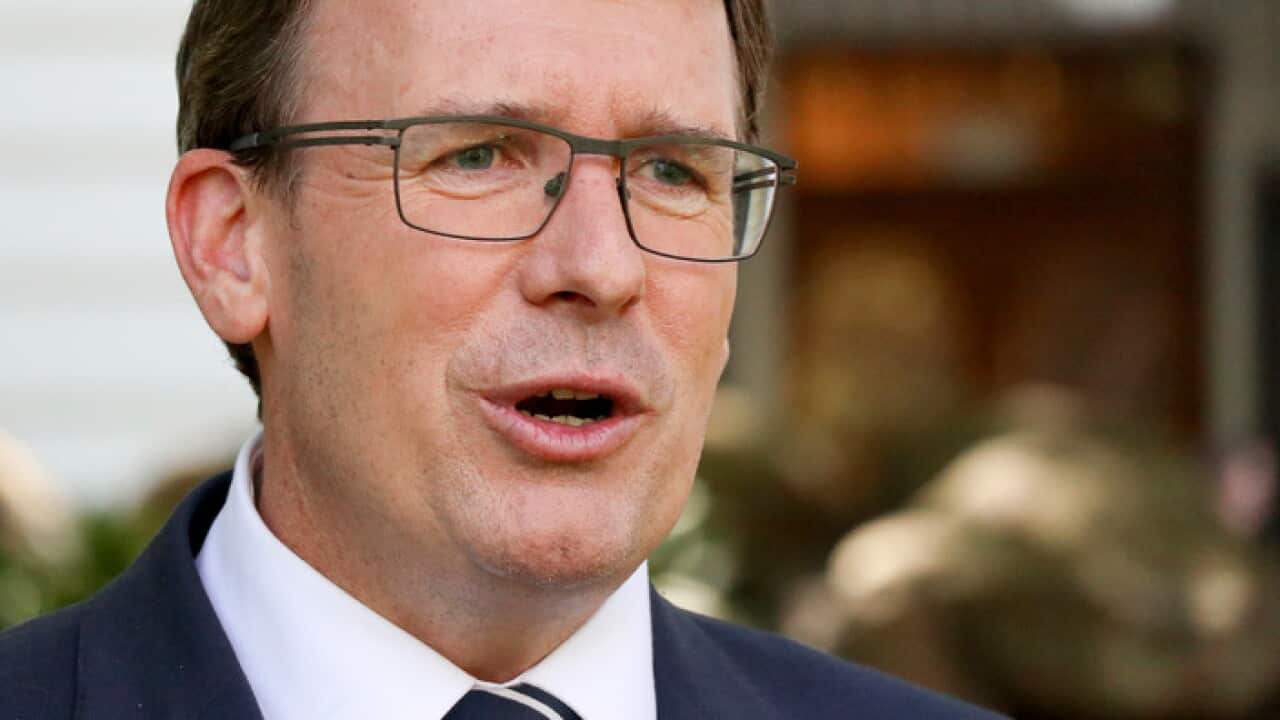
Citizenship and Multicultural Affairs Minister Alan Tudge says data showing growing clusters of overseas-born Australians who tend to lack English skills is problematic because English levels affect employment prospects.
But the leaders of various support services say it is a natural process and not a cause for concern.
Iraqi-born Mohammad Al-Khafaji, now chief executive of the not-for-profit Welcome to Australia, was 13 years old when he migrated to Australia with his family from Syria.
His new home was Adelaide, and he says the people in his new community made the transition easy. “When we came to Australia in 2003, we were pleasantly surprised with how welcoming the community was. And I think that was the most important aspect of our settlement."
"When we arrived in Australia, everyone wanted to help. Everyone recognised that there are some difficulties, and the community went out of their way to make sure that we felt welcome, because that is the most important thing for any family,” he says.
Mr Al-Khafaji says Welcome to Australia aims to create a more inclusive society for people of all cultures. But he says it is natural that migrants gravitate towards one another.
“Naturally, when somebody arrives to a new place, when you’re trying to migrate halfway around the world, people naturally try to settle somewhere where they feel welcome, they feel part of the community and they feel included. And that can sometimes be near their support services, whether that’s the community centre or religious centre. And that’s why, sometimes, we see some high concentrations of migrants sticking together,” he adds.
Alan Tudge says that lack of integration presents a wider issue in migrant communities.
Mr Tudge has told Sky News that data from the Scanlon Foundation’s annual Mapping Social Cohesion report shows more migrants are distancing themselves from non-migrant communities.
“The main issue which is emerging, and the data is showing this, is that we’re getting increasing clusters of the overseas-born in particular pockets, often overlayed with lack of English being spoken. And that obviously makes it more difficult for integration to occur. And what we don’t want to see is parallel communities emerge, like you sometimes see in Europe. We want to maintain our own successful model of multiculturalism, which is much more based on communities blending together and merging together, rather than sitting side-by-side,” says Mr Tudge.
But Settlement Council of Australia chief executive Nick Tebbey says Australia has a successful migration model and there is no need for change. “We can point to a number of real strong successes that have been achieved here in Australia that set us apart from other countries. So I understand the Minister is concerned that there have been some experiences in Europe and other places where integration maybe has become an issue, but I think, to be realistic, here in Australia, that isn’t as much of an issue, because we have always had such a strong dedication to settlement,” he says.
Mr Tudge maintains limited English skills are preventing migrants from seeking and gaining employment.
He says the report shows it is a particular problem for people who arrive through humanitarian programs.
“Only 17 per cent of the humanitarian intake are in employment 18 months after arrival, which is just a hopeless situation, and we all have to take responsibility for that. I’m not apportioning blame here to anybody. But it’s not a good situation. Ideally, a person, when they arrive here, instead of arriving here on Day 1 and going to Centrelink on Day 2, they’re actually arriving here on Day 1 and going into a job on Day 2. That’s what I’d like to see,” Mr Tudge adds.
The University of Sydney Business School’s Diane van den Broek says most migrants, including refugees and asylum seekers, are actively looking for employment, though.
“Every migrant who comes to Australia wants to build a life, and part of that is employment. That is what they would be seeking. The whole notion that somebody would come to Australia just to lie around on the dole is just a nonsense. I mean, if you look at refugees and look at the sort of the entrepreneurship that a lot of refugees undertake, it’s quite a dominant feature. So, no, I don’t agree with that at all. I think that most migrants, probably even more than locals, try very hard to start a new life, and part of that is getting employment,” she says.
Mr Tebbey, with the Settlement Council of Australia, says migrants will need the initial welfare support to establish themselves in Australia.
“It’s beholden on us to support them and make sure they are able to take the time they need to adjust to a new world, a new life. And, definitely, part of that is getting a job. And I can honestly say that every single refugee that I’ve ever spoken to who’s come through the settlement program, getting a job is of utmost importance to them. They’re not coming here because they want to rely on welfare for the long term. The reality is, though, that they need some level of government support while they find their feet,” he adds.
Listen to this feature in Punjabi by clicking on the link above.