
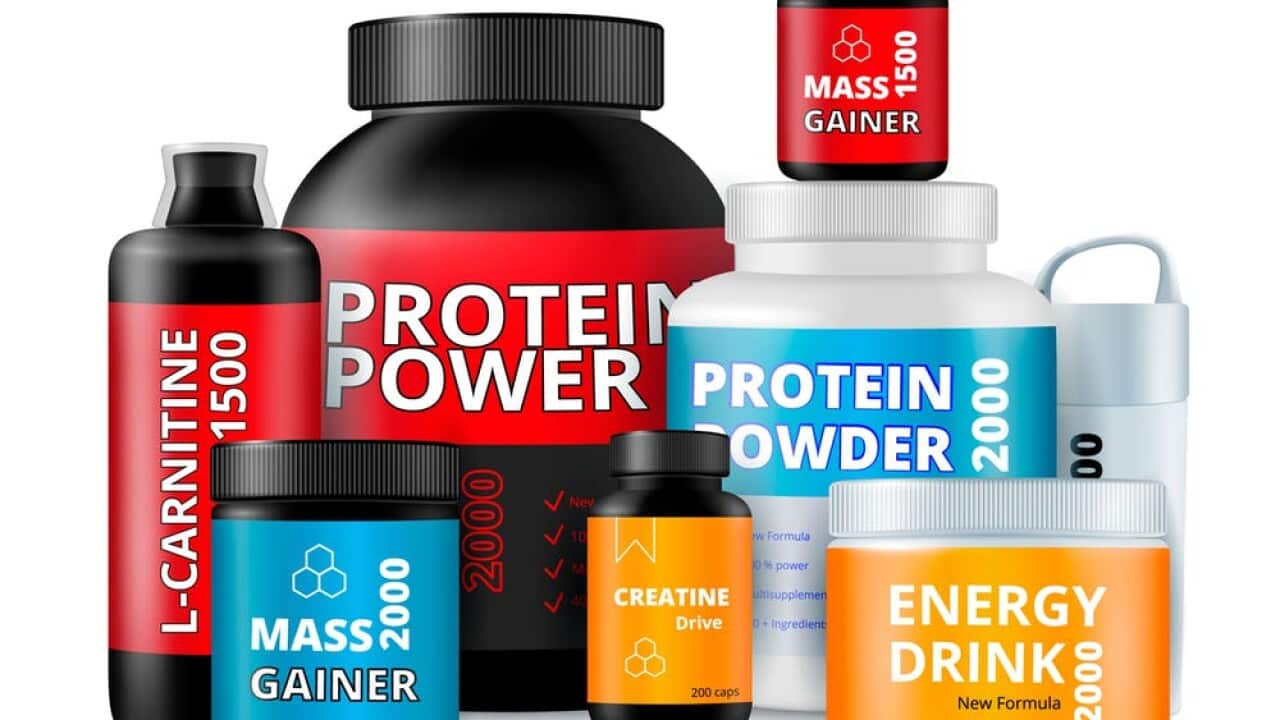

The trend of consuming protein powders and replacing meals with chemicals is unmissable. But is this healthy? Should you choose a 'desi' Indian diet over these packaged meals and chemicals?
It is a common sight these days to see fitness enthusiasts walk into gyms with a protein shaker in hand, half-filled with a thick layer of a powder sitting at the bottom. These chemicals can help you get lean or bulk up, depending upon your body goal.
“It’s fashionable these days to throw names like ‘hydrolysed protein isolate’, ‘whey protein’ and ‘green tea extract’ in conversations. But consuming desi (Indian) foods is out of fashion. But do we know what whey is? It is what we call chhachh in India. It is the liquid left when we split milk to make paneer, which we throw down the drain. But we feel satisfied after drinking a shake made of whey protein powder, on which we spend hundreds of dollars in fitness programmes,” says Amandeep Singh, a Melbourne-based fitness instructor.
Mr Singh holds an advanced Australian certificate in Physical Training.
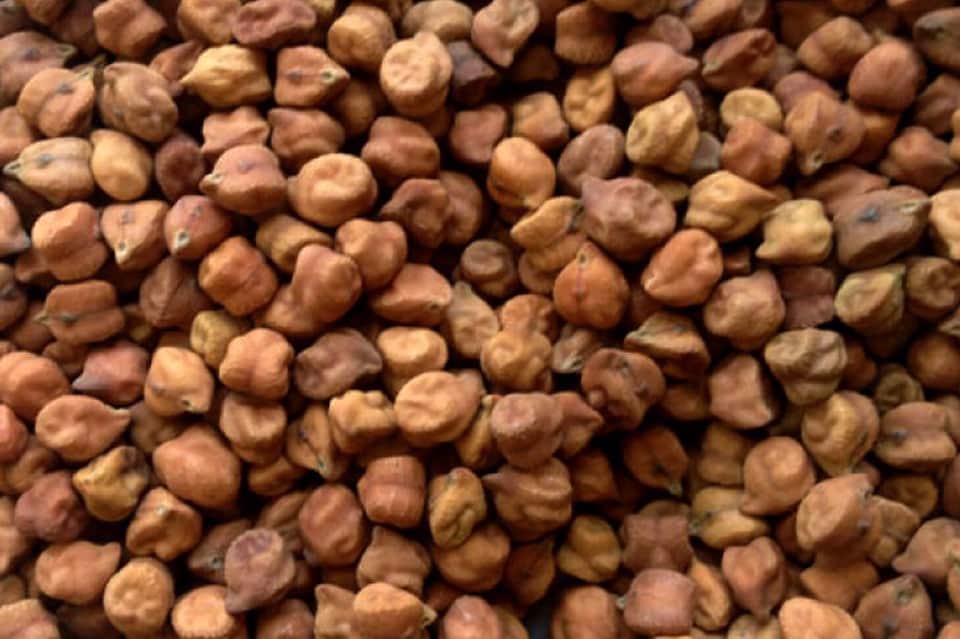
He highly recommends choosing Indian foods like Tyson chickpeas – known as kala chana – in Punjabi and often fed to horses in India due to their high energy and protein content, paneer (Indian cottage cheese) and lean meats like chicken and fish, over the packaged protein powders that can cost upwards of $50 a kilo. Tyson chickpeas, on the other hand, cost under $5 a kilo.
Mr Singh says that Indians, especially people of Punjabi heritage contact him from around the world to seek advice on weight loss and body building.
“They get surprised when I tell them to eat desi foods from their kitchen instead of buying expensive dietary supplements,” says Mr Singh.
He also warns of a trend of “meal replacements” taking preference over food.
“These chemicals react inside our body in a way that our hunger is supressed and the stored fat is burned. It can give us quick cosmetic results but in the long term, these chemicals can harm the body,” he warns adding that there is no substitute to healthy eating and moderate exercising.
Click on the player at the top of the page to listen to this interview in Punjabi.
Listen to SBS Punjabi Monday to Friday at 9 pm. Follow us on Facebook and Twitter.