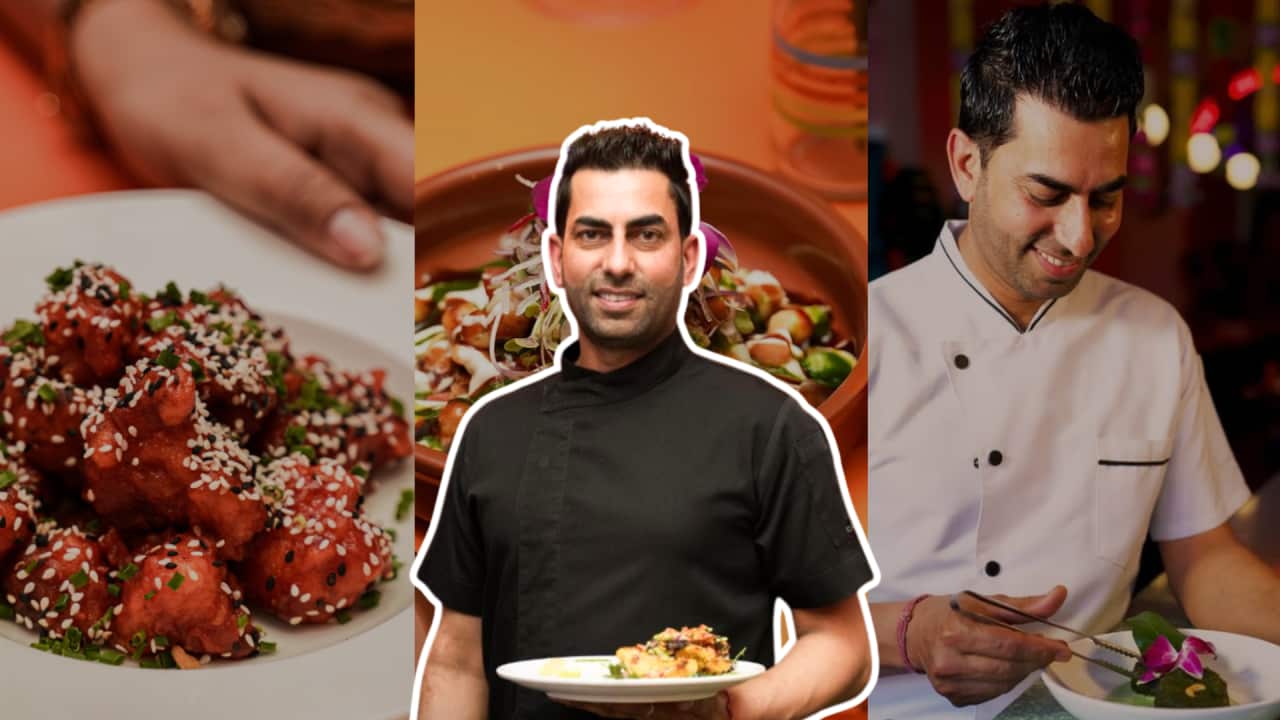

As Australian diners move beyond generic curries in search of regional authenticity, Chef Amar Singh is helping lead the charge on some of the country's most iconic food strips. From learning to cook alongside his mother in a village in Punjab to building celebrated dining venues such as 'Horn Please', 'Bibi Ji', and 'Daughter in Law', the former international student says practical trade skills remain a migrant’s greatest asset.
Key Points
- Chef Amar is one of the owner and chef behind popular Australian dining spots
- He migrated to Australia as an international student in 2008 from a small village near Kapurthala, Punjab
- Two decades ago, he used to pay while working to learn cooking in Punjab when commercial kitchen work carried social stigma
For decades, Indian restaurants in Australia operated under a familiar playbook: creamy sauces, mild spices, and menus crafted largely to suit traditional Western palates.
Today, a new wave of restaurateurs is pushing Indian cuisine far beyond butter chicken, offering diners regional authenticity, lighter ingredients, and an immersive dining atmosphere.
Among those contributing to this evolving dining landscape is Chef Amar Singh.
Around his 20 year career, Singh has built and helmed some of the country’s most celebrated Indian dining venues, including Horn Please in Fitzroy North, Bibi Ji on Carlton's iconic Lygon Street, Daughter in Law in Melbourne CBD, Pinky Ji in Sydney CBD, and Dhaba at the Mill in regional Kyneton.
Yet long before he was reshaping Australia’s dining scene, his relationship with food began in a small village kitchen in the northern Indian state of Punjab, where he battled both social stigma and economic hardship to learn his craft.
Growing up in Punjab, Singh discovered his passion for food while watching his mother prepare meals for large family gatherings.
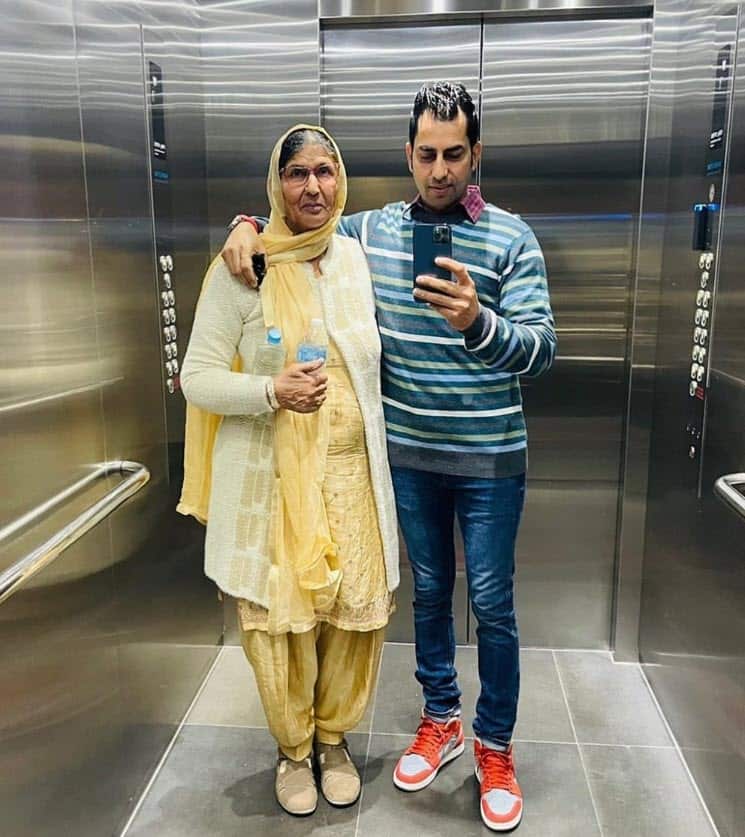
"My journey started in my own home, in my kitchen with my mom," he tells SBS Punjabi.
"Whenever we had family functions with 20 or 25 guests, my mum loved making food and serving people. I learned so much from watching her."
Driven to turn his passion into a career, Singh sought formal training in Kapurthala and Jalandhar in the early 2000s; at that time, working in a commercial kitchen carried a heavy social stigma for men in Punjab.
Two decades ago, if a Punjabi guy worked in a restaurant, people would mockingly call him a halwai (sweets-maker)Chef Amar
"When I wanted to learn, they asked for money instead of paying me. I used to pay ₹20,000 (~ AUD $293) a month to learn the trade. I'd put gel in my hair, leave home on my motorcycle, and then spend the day chopping onions and making gravies."
In 2008, Singh brought those hard-earned skills to Australia, arriving in Melbourne on a student visa to study commercial cookery.

Surviving the early migration struggle
Arriving in Australia in the midst of the 2008 global economic recession, Singh claims work was scarce, and competition was intense.
"Those were very hard times," Singh says. "Money was tight, and we were struggling to pay off loans from home and cover our tuition fees."
Through the pressure, Singh’s practical trade training proved to be his greatest safety net, a principle he continually passes on to aspiring entrepreneurs and his own staff today.
I always tell young people that a skill is just like education. Once you learn a skill, it belongs to you for the rest of your life.Chef Amar
Building a business from the ground up: The hands-on restaurateur
After two years working in Melbourne’s CBD, Singh transitioned to Dhaba in Carlton in late 2010. After securing permanent residency, he took over the venue and later acquired Horn Please in Fitzroy North in 2012.
Two years ago, he took an ambitious step by signing a lease on Lygon Street to create Bibi Ji. The current Indian fine dining restaurant used to be an Italian eatery for over 30-years. Renovating it, Singh said, was a massive project which took nine months.
People made jokes during the post-COVID period, asking why I was taking on such a massive project when restaurants everywhere were closing. But I had confidence in my skill and my food.Chef Amar
Rather than hiring outside contractors, Singh took a strictly DIY approach, carrying out the interior design, plumbing, and electrical work himself.
Redefining the dining experience
At the core of Singh’s business philosophy is the belief that great food alone is no longer enough to sustain a hospitality business.
"Operating with a deliberately concise menu of 8 to 10 daily dishes, my kitchens avoid frozen ingredients and heavy artificial additives," he says.
When you dine out, you aren't just buying food; you're buying an experience. People eat with their eyes first.Chef Amar
"We cook fresh every day, and we sell out every day."
Despite stepping into the role of a business owner, Singh refuses to retreat to a back-office role. He remains actively involved in kitchen operations and spends his evenings hosting guests on the floor.
"I love working on the floor after 6:00 PM because you build a real connection with customers and get instant feedback," Singh says.
For Singh, transitioning from a student cook to an established business owner hasn't changed his fundamental values.
"Success isn't defined by the size of any venue footprint, but by the same lesson I learnt in my mother's village kitchen: consistent work, pride in trade skills, and genuine care for every guest who walks through the door," he says.
Click the audio button to hear the full story.
🔊 Find all our podcasts and stories that matter here at SBS Punjabi Podcast Collection.
📲 Also, follow us on Facebook and Instagram.