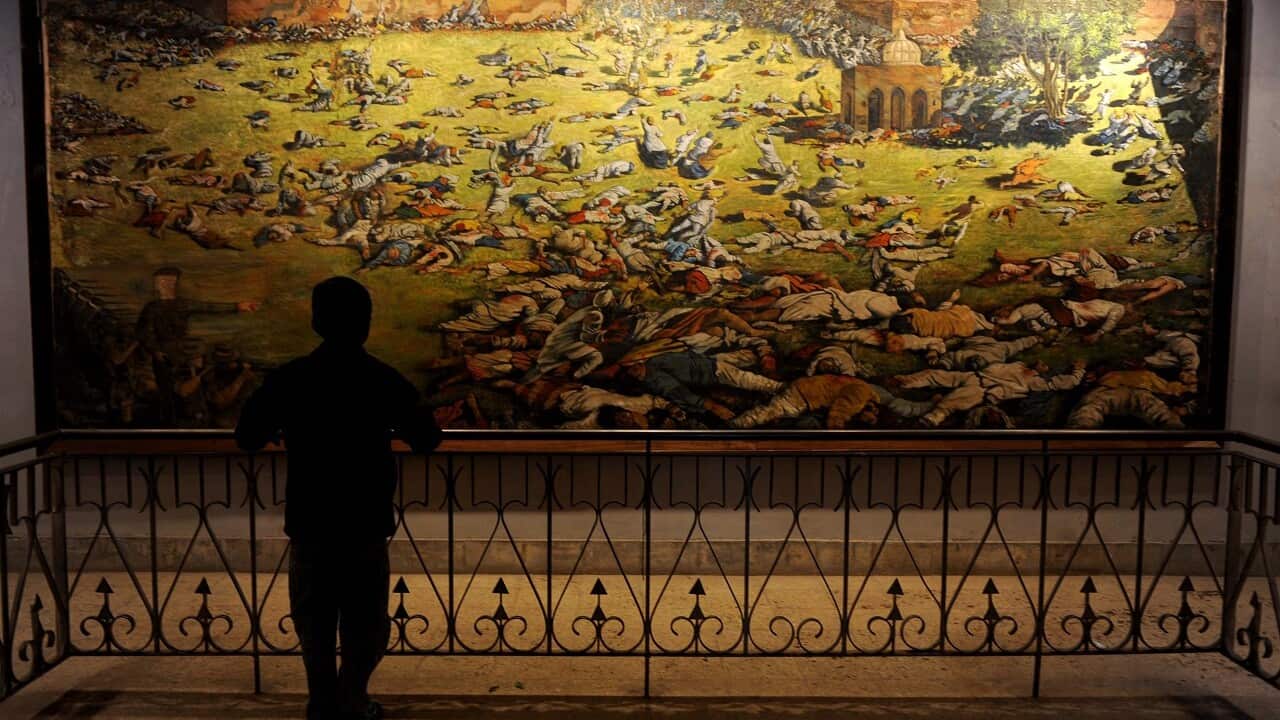

This is one of several events being organised the world over to commemorate the incident which is said to have changed the course of not only India’s but also Great Britain’s history.
A hundred years after the Jallianwala Bagh massacre took place in Amritsar, Manchester Museum and Amritsar’s Partition Museum are collaborating on an exhibition to reveal the untold stories of the Jallianwala Bagh massacre and its victims.
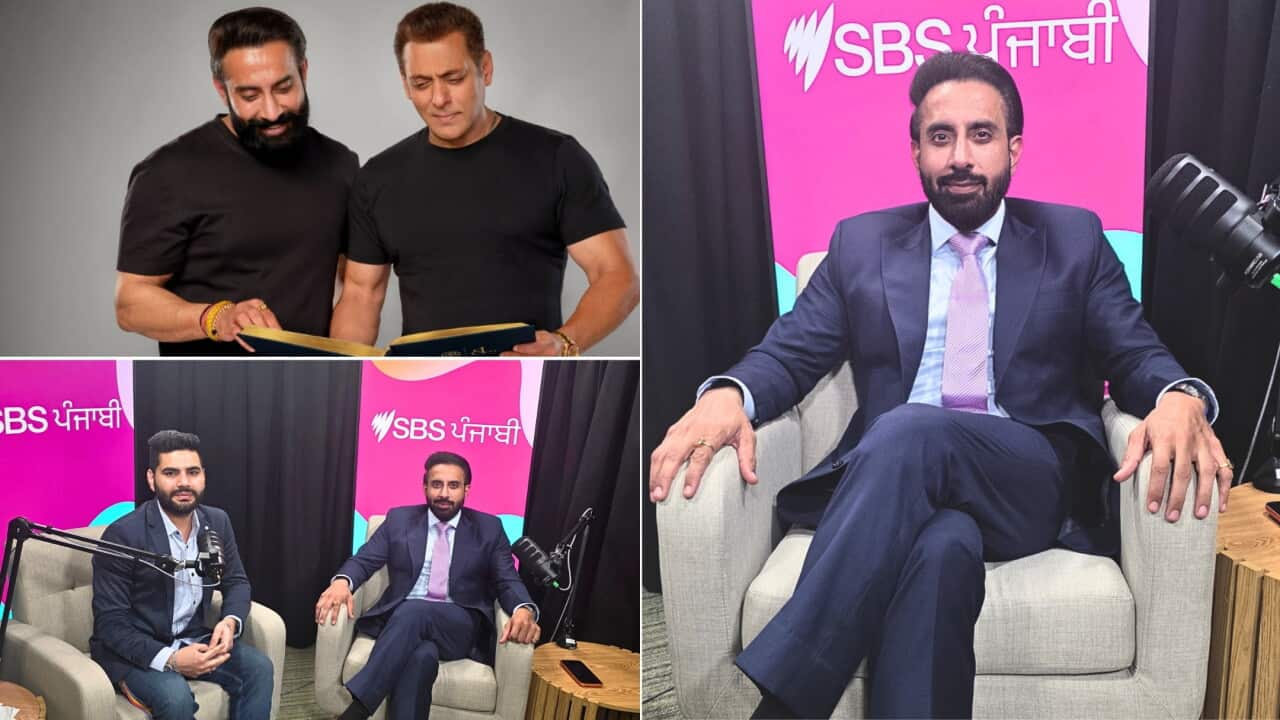
Mr Bhagwant Singh, a resident of Manchester and a former teacher, has been requested by authorities of Manchester Museum to connect the Punjabi diaspora with this exhibition which will run from April 11 till October 2, which is Mahatma Gandhi’s birthday.
Well connected within the Indian and Pakistani communities of Manchester, Mr Singh has requested all local gurdwaras (Sikh temples) to offer ardas (special concluding prayers in the Sikh tradition) on April 13 at 12 noon, the date and time at which the British-Indian government’s Gen. Reginald Dyer sprayed gunfire on a peaceful gathering in Jallianwala Bagh in 1919.
Talking to SBS Punjabi from Manchester, Mr Singh says that a hundred years later, the history of Jallianwala Bagh needs to be told not only because it was a tragedy for India but also because the event shines a positive light on social and communal cohesion of India at that time.
“Those who were killed in Jallianwala Bagh were not of a single faith. A lot of them might have been Sikhs, but there were a large number of Hindus and Muslims too who had gathered there for a common cause which was India’s independence. The local leaders of the movement were Dr Saifuddin Kitchlew, a Muslim and Satyapal, a Hindu. Thousands had gathered there at their call to meet Mahatma Gandhi. So if we could be so strongly together in 1919, why are we drifting apart so rapidly today,” asks Mr Singh whose family belongs Amritsar but moved to Singapore several decades back, before finally relocating to England.
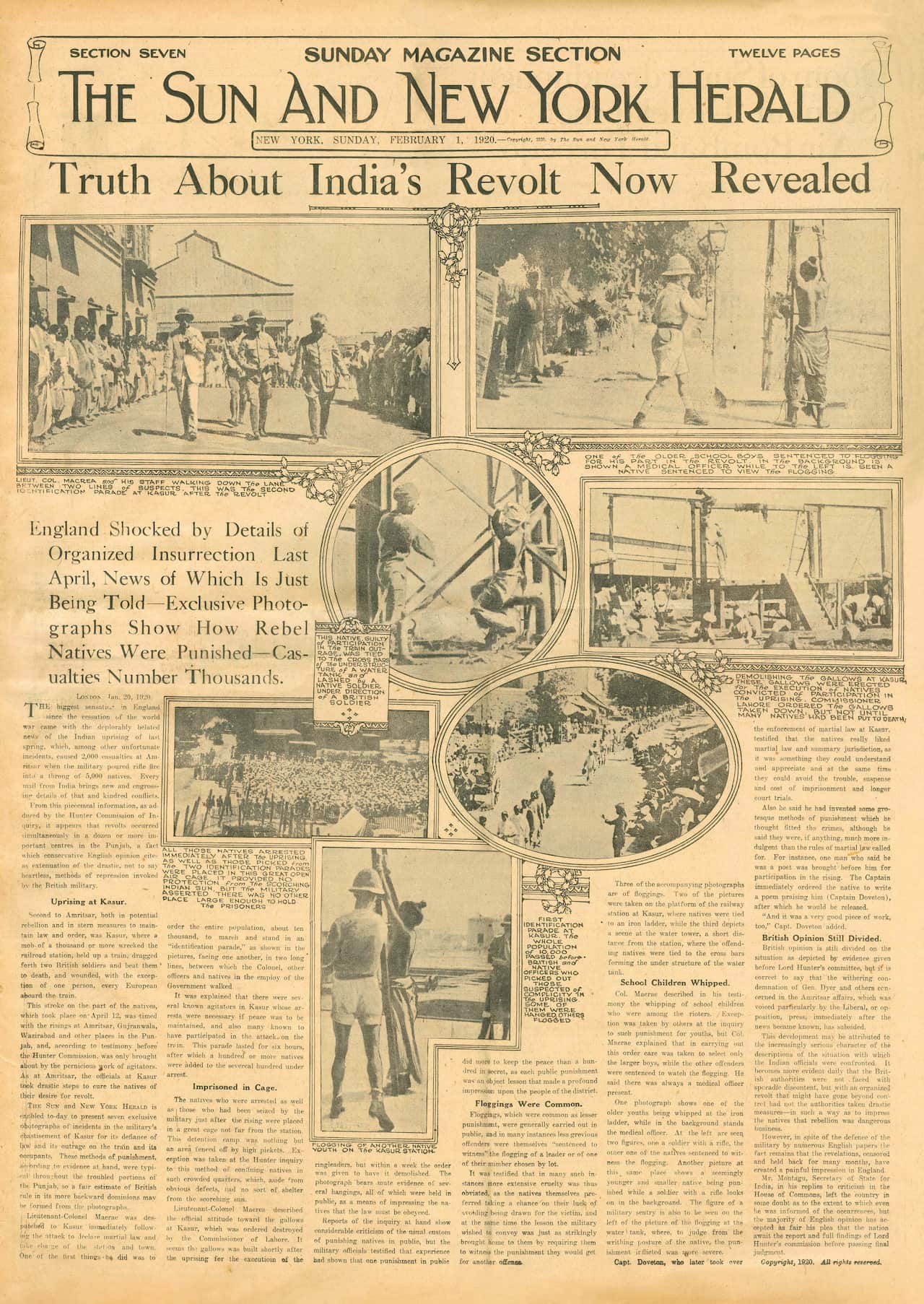
Amritsar’s Partition Museum had originally held this exhibition in 2018. It was highly acclaimed for its collection of moving photographs, paintings and news clippings from the time that told the story of the massacre, its origins and aftermath.
“I’ve requested Hindu temples and mosques of Manchester to offer special prayers for the victims of Jallianwala Bagh and also for world peace along with us on April 13 at 12 noon. Tragedies like that haven’t stopped. Christchurch is a recent example. We have to put a stop to communal hatred,” rues Mr Singh.
To mark the centenary of the Jallianwala Bagh massacre, an apology was expected to be made in British parliament on April 13 about the tragedy, but recent reports suggest that only "regret" will be communicated, and no formal apology.
Click on the player at the top to listen to this interview in Punjabi.
Listen to SBS Punjabi Monday to Friday at 9 pm. Follow us on Facebook and Twitter.