
The recent cases of Legionnaire disease were identified in Lidcombe suburb, Sydney.
SBS Urdu talked to Dr Sayeed Khan, Director of South Western Sydney Primary Health Network about the outbreak and what necessary steps one should take to deal with the disease.
According to Dr Khan, the disease thrives in damp areas and especially stagnant waters and in temperatures between 20 and 50 degrees.
“These conditions are present in the cooling towers. They are also in places such as parks, public spas.
The method of transfer of disease is through the mist, especially the air-conditioning mist. If people breathe through that mist, they can contract the disease. Another way is if they drink the contaminated water."
“The disease does not transfer from person to person.”
Symptoms and contraction
Dr. Khan said the incubation period of the disease from inhaling the bacteria and getting infected takes about 2-10 days.
“It is during these days that symptoms of tiredness, weakness, headaches, and body aches.
It then leads to shortness of breath, fever, chill, and cough, and the person can become quite unwell.
It can lead to lung disease such as pneumonia and can even lead to respiratory failure resulting in death.”
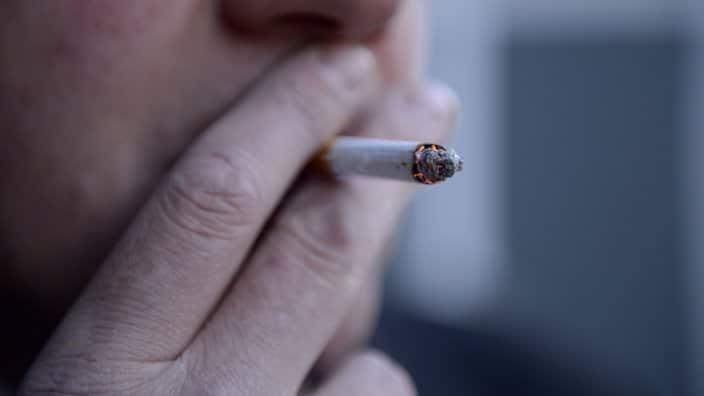
Smokers, people with low immunity or pre-existing lung diseases
The disease is especially contracted by people who are low in immunity, pre-existing lung disease or who are smokers.
“The bacteria mainly thrive and grow in the lungs.
When a person already has a lung condition or is a smoker, his or her lungs are possibly weak and that is why they can contract this disease.
They should be very careful because they can easily be infected.”
On the question of how concerned should Lidcombe and surrounding suburb residents be, Dr. Khan said that yes they have to be if they visited any of the respective buildings or any large buildings.
“In case someone has symptoms of body aches, headaches, tiredness, fever, shortness of breath, cough, should consult the doctor immediately.”
“There are very simple tests available that can assist in the diagnosis of the disease. If left untreated can result in serious illness."
However Dr Khan said there is no vaccine and in most cases, hospitalisation is required.



