
More than 18,000 Rohingya Muslims, many sick and some with bullet wounds, have fled the worst violence to grip Myanmar in at least five years, while thousands more are stuck at the Bangladesh border.
Friday's series of co-ordinated attacks by Rohingya insurgents on security forces in the north of Myanmar's Rakhine state and ensuing clashes triggered the Rohingya exodus, while the government evacuated thousands of Rakhine Buddhists.
Since the attacks, about 18,445 Rohingya - mostly women and children - have registered in Bangladesh, the International Organisation for Migration (IOM) said on Wednesday.
"They are in a very, very desperate condition," said Sanjukta Sahany, who runs the IOM office in the southern town of Cox's Bazar near the border.
News that makes sense
Your trusted source for staying up-to-date with the world around you. Get free daily news updates and analysis, straight to your inbox.
"The biggest needs are food, health services and they need shelter. They need at least some cover, some roofs over their heads."
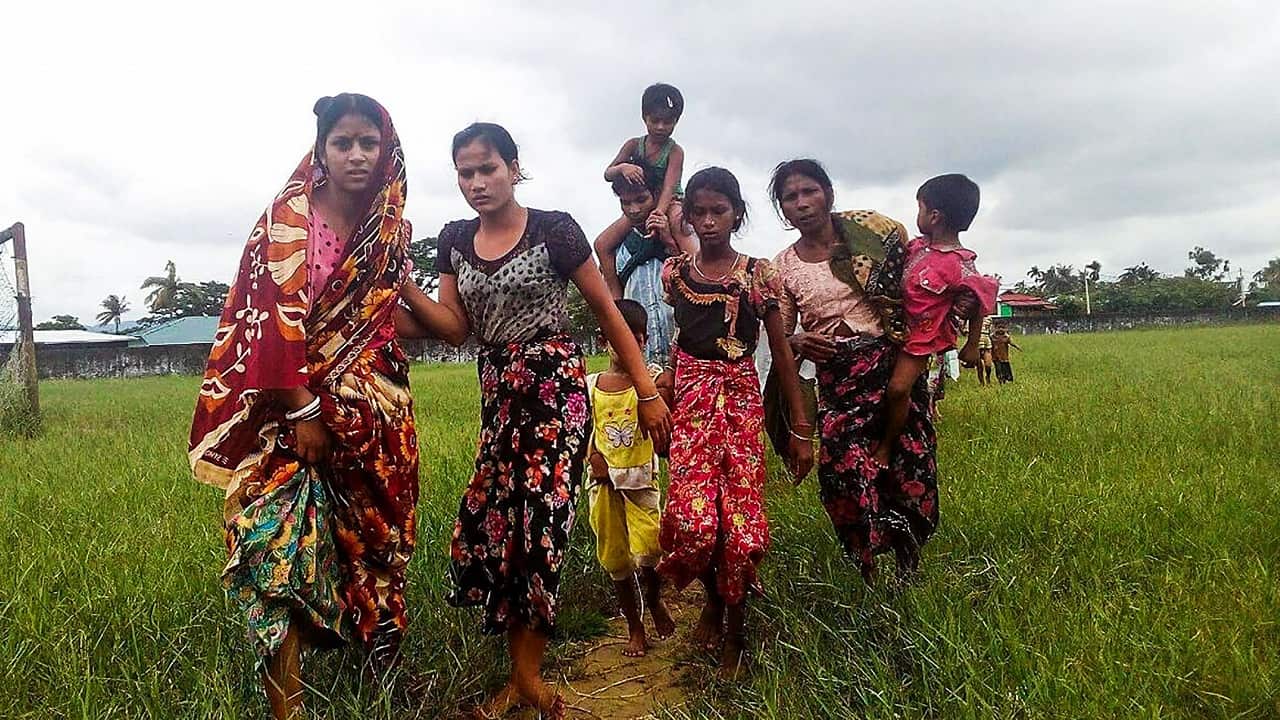
Sahany said many crossed "with bullet injuries and burn injuries," and that aid workers reported that some refugees "gave a blank look" when questioned.
"People are traumatised, which is quite visible."
The United Nations, while condemning the militant attacks, has pressured Myanmar to protect civilian lives without discrimination and appealed to Bangladesh to admit those fleeing the military counteroffensive.
At least 109 people have been killed in the clashes with insurgents, Myanmar says, most of them militants but also members of the security forces and civilians.
The treatment of about 1.1 million Muslim Rohingya in Myanmar is the biggest challenge facing national leader Aung San Suu Kyi, who has been accused by Western critics of not speaking out for a minority that has long complained of persecution.
The Rohingya are denied citizenship in Myanmar and regarded as illegal immigrants, despite claiming roots that date back centuries.
The violence marks a dramatic escalation of a conflict that has simmered since October, when a similar, but much smaller, series of Rohingya attacks on security posts prompted a fierce military response, in which the UN has said security forces probably committed crimes against humanity.







