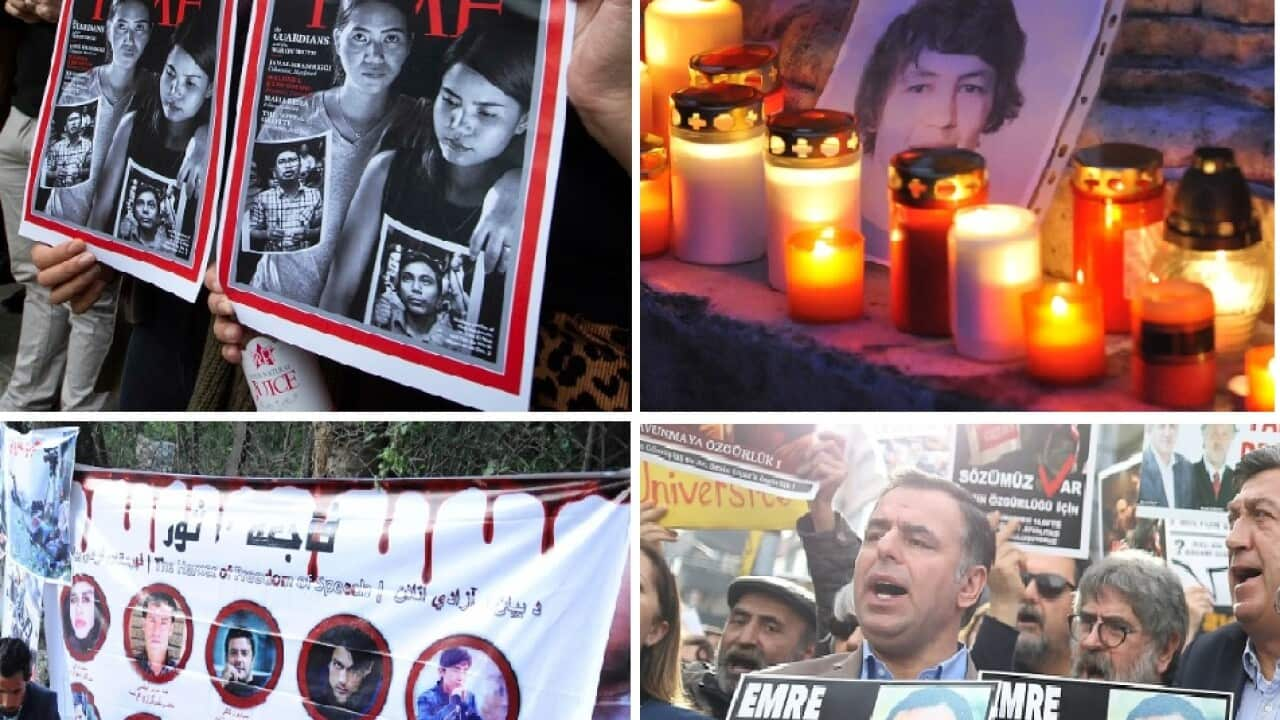
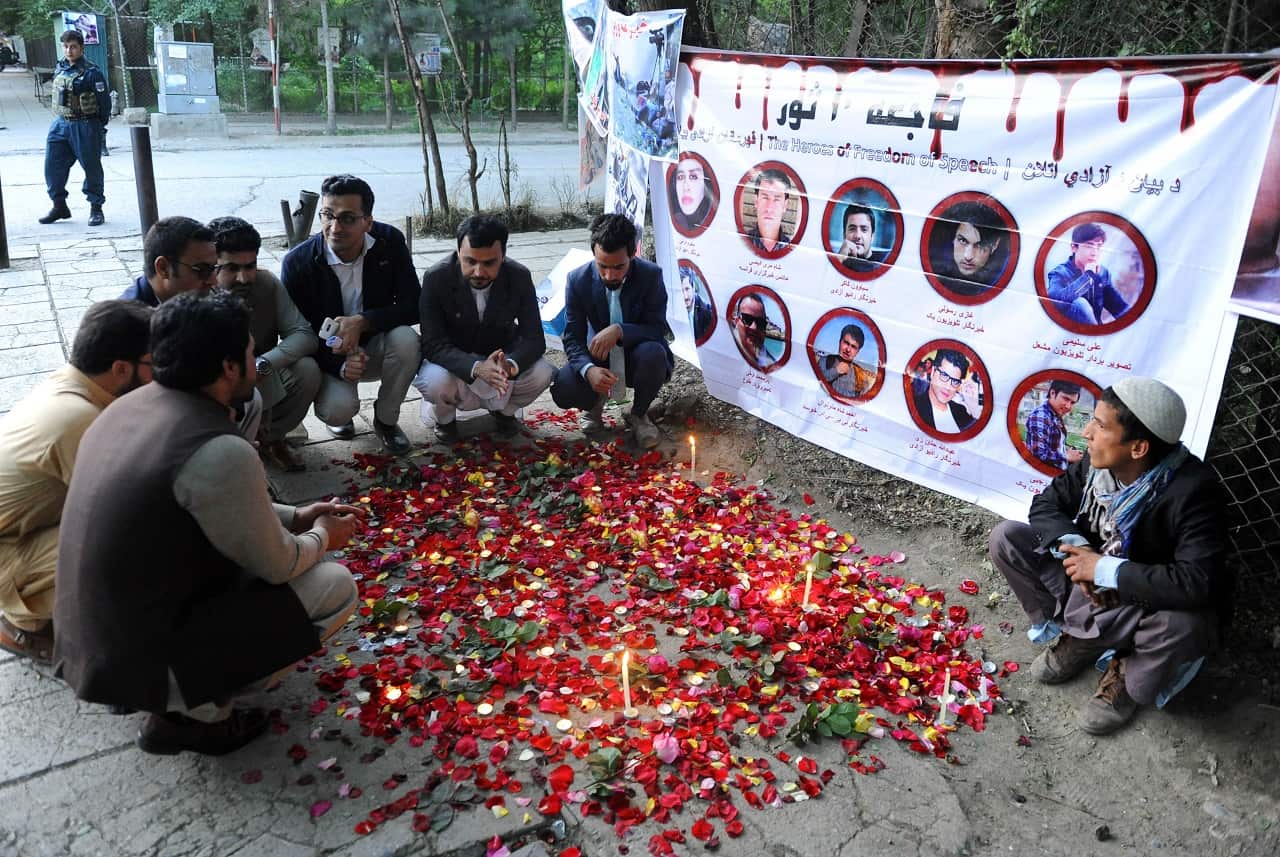
The International Federation of Journalists says the deadliest country for people who work in the news media in 2018 was Afghanistan.
The Brussels-based organisation counted 94 journalists and media workers worldwide who died in targeted killings, bomb attacks and conflict crossfire - 12 more than the previous year.
"Conflict zones are evidently dangerous zones for journalists and this year 16 journalists were killed in Afghanistan, but the second most dangerous country for journalists in the world was Mexico," said the IFJ's President, Philippe Leruth.
News that makes sense
Your trusted source for staying up-to-date with the world around you. Get free daily news updates and analysis, straight to your inbox.
"Mexico was last year the most dangerous. It means that journalists, maybe local journalists doing their job, disturb criminal activities without knowing this, and evidently, in Mexico many journalists disturb drug traffickings for instance."
But he also noted the fact that journalists were also being targeted not only in war zones but increasingly on European soil.
"This year we had also a journalist murder in Bulgaria, Victoria Marinova, and in Slovakia, Jan Kuciak, which is for Europeans highly shocking because we are not used to having journalists murdered for doing their job," he said.
Nine journalists were killed in Yemen and eight in Syria in 2018.
Iraq, where 309 media professionals were killed over the past 25 years had previously topped the list but only one photo journalist died there in 2018.
Appearing high on the list though, in sixth place, was the United States with five killings.
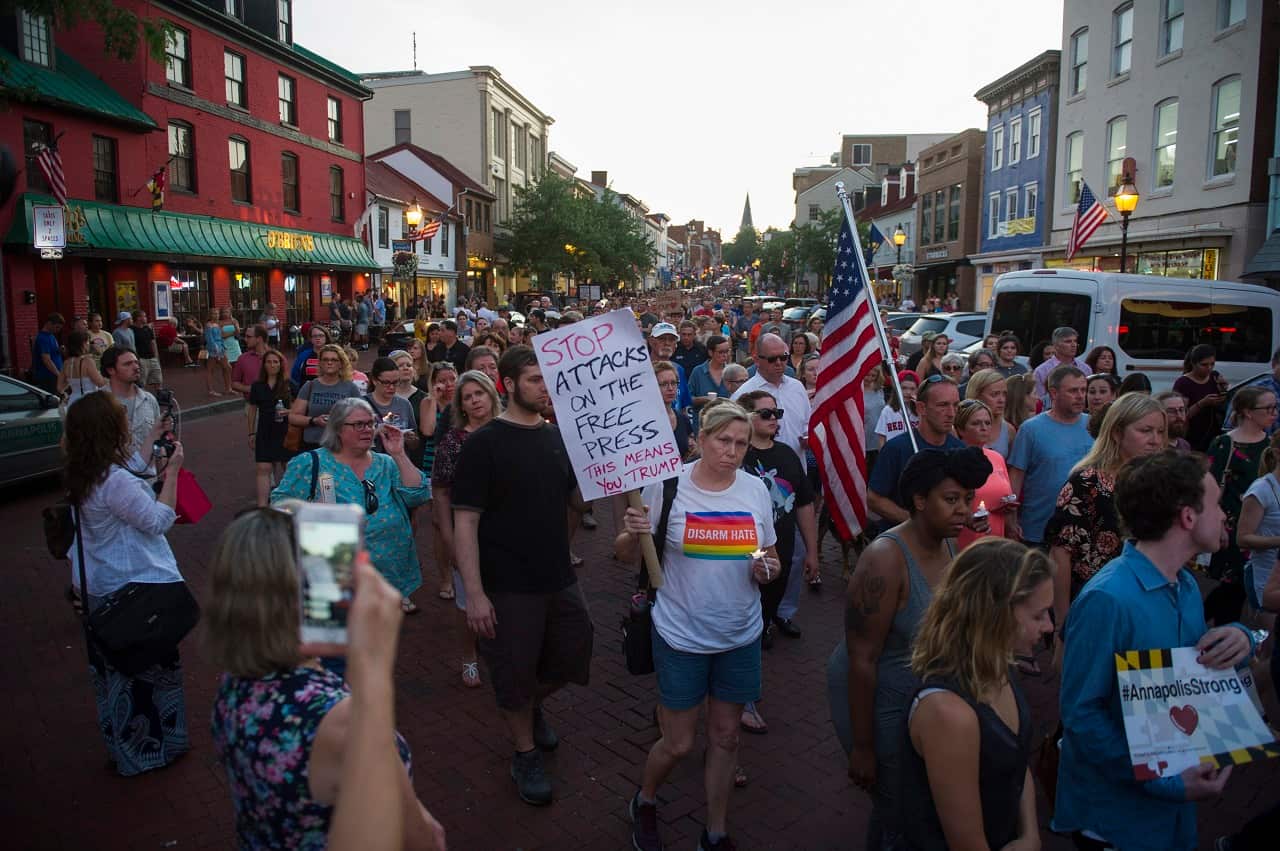
In June a gunman in Annapolis in Maryland opened fire in the newsroom of a local newspaper, fatally shooting four journalists and a sales associate.
"The very fact is that journalists are special targets," said Philippe Leruth.
"The killing of a journalist is like killing a civilian and we say no. Journalists are targeted because they are witnesses and the result of this, when a journalist or when many journalists are killed in a country, you see an increase of self-censorship."
'Nine out of 10 journalist murders go unpunished'
The much-publicised killing of Saudi exile Jamal Khashoggi, who also wrote for The Washington Post, had worldwide impact.
"Jamal Khashoggi was not murdered, he was slaughtered in a horrible way," said Philippe Leruth.
"He was a very well known figure, but you know the most shocking statistic is that we know that nine out of 10 journalist murders remain unpunished in the world. It comes from a UNESCO (United Nations Educational, Scientific and Cultural Organisation) report and even though the Jamal Khashoggi case is well known, we won't probably never know with certainty who gave the order to kill him."
Hundreds imprisoned
Meanwhile, over 250 journalists around the world have been imprisoned for their work, with more than half of them in Turkey, China and Egypt, according to the New York-based Committee to Protect Journalism.
They include two reporters for the Reuters news agency whose imprisonment in Myanmar has drawn international criticism.
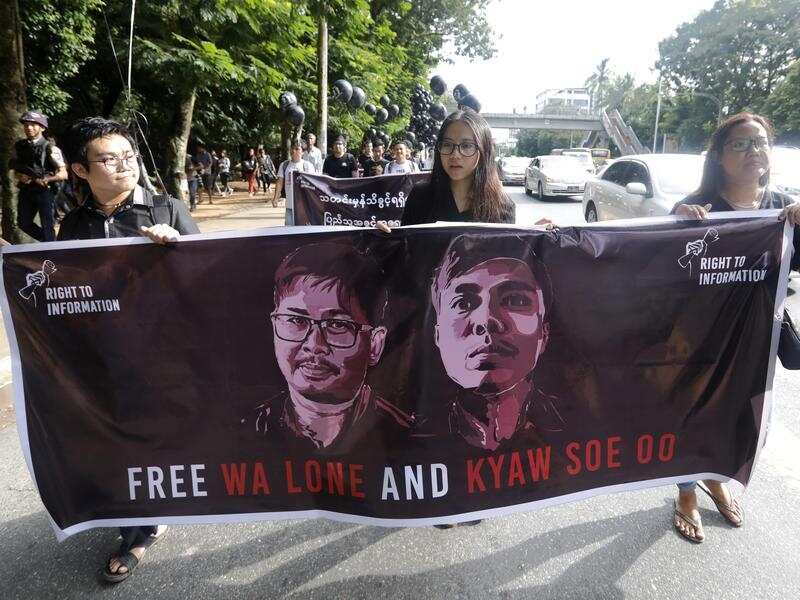
Britain's Foreign Secretary, Jeremy Hunt, has expressed his concern over press freedom.
"This year I sent two rather different Christmas cards to Myanmar journalists Wa Lone and Kyaw Soe Oo, who are both in prison this Christmas because they wanted to report on the Rakhine crisis where there's been some alleged genocide against the Rohingya people in Burma. They were arrested and we are very worried about due process in this case."
"This is a year when we've seen a big increase in the number of journalists who have been locked up," Mr Hunt said, "and indeed far worse, murdered. And that number is going up.
"Why does this matter? Because if you believe in an open society and a free society, then the thin red line between open and closed societies, is whether journalists can do their work and hold power to account. And that's why this matters to all of us."







