
A barren, windswept Greek island, closer to Turkey than it is to the mainland, has finally been awarded funding to honour the suffering and survival that occurred in a war hospital there more than 100 years ago.
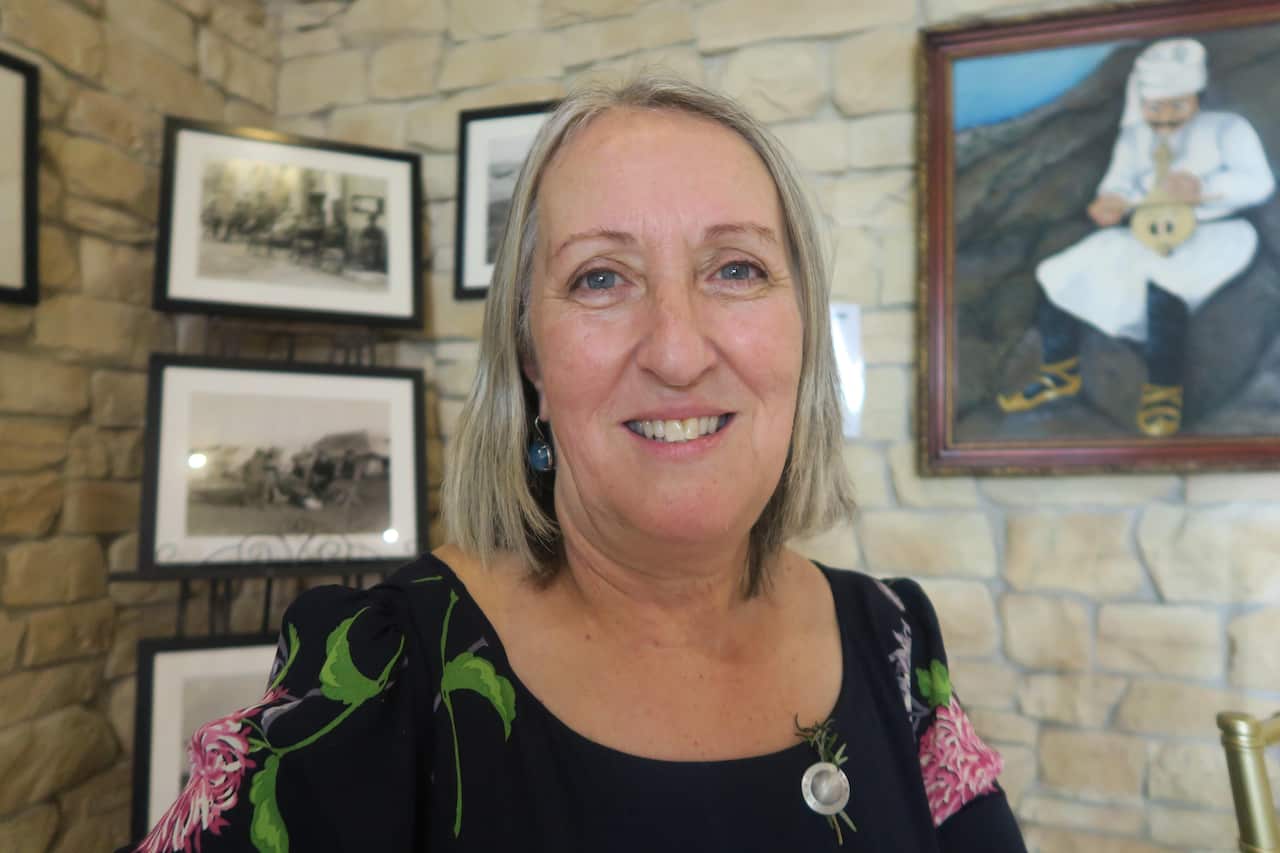
Sydney resident Rosemary Dwyer travelled to Lemnos in 2015 to get a deeper understanding of her great aunt Grace Wilson’s experience as a nurse caring for Australian soldiers often wounded in neighbouring Gallipoli.
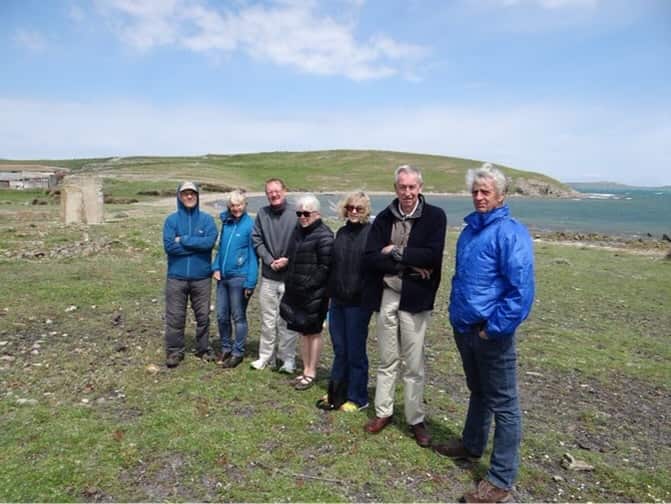
But when she arrived, she was surprised to see that without a guide, very little could be gained about the Lemnos story due to poor signage and services on the island.
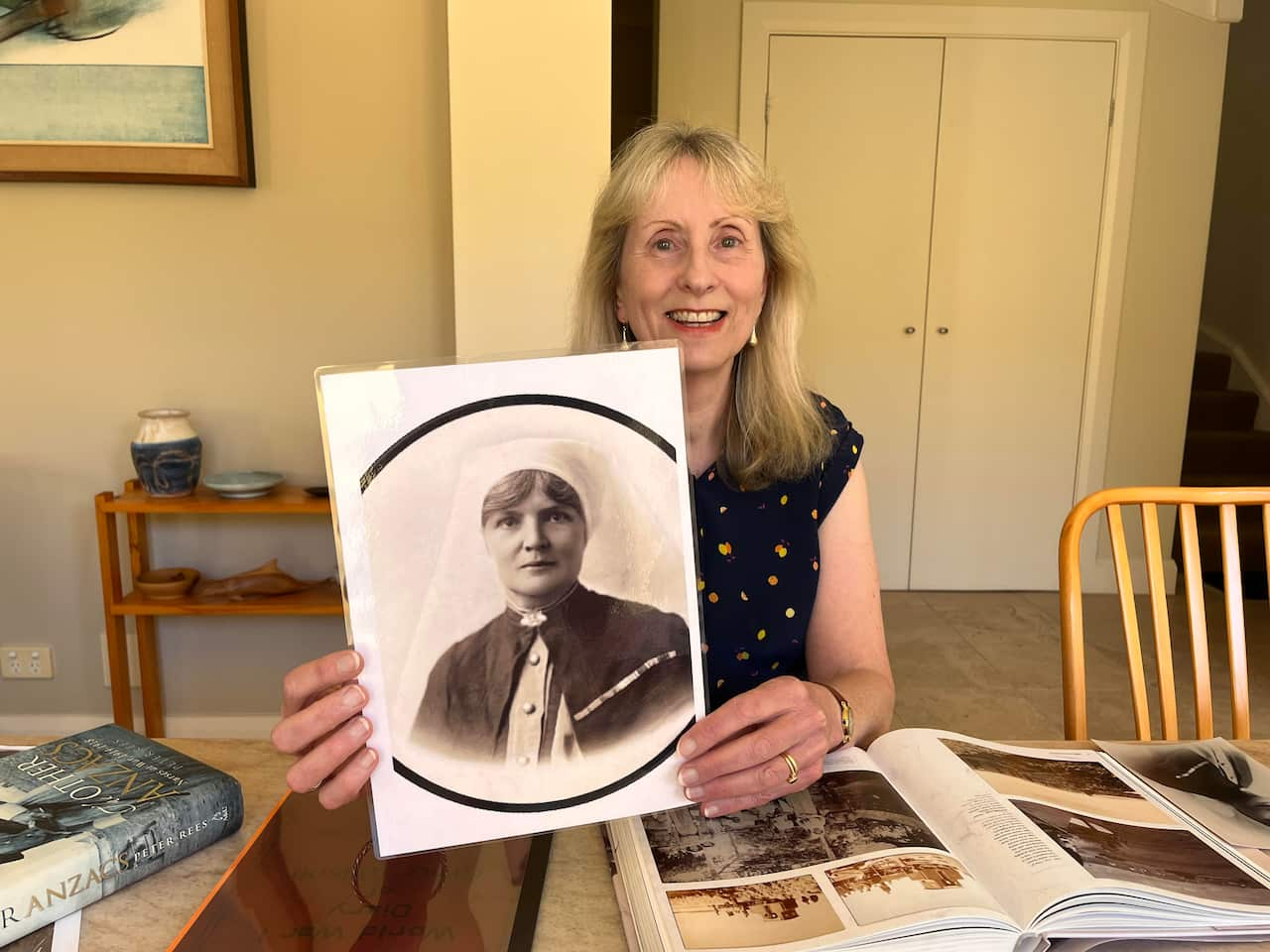
“When we got there, it was just sort of open areas - because the hospitals were tents so they had long blown away - but there were no markings, nothing to record what had happened there or where,” Ms Dwyer said.
News that makes sense
Your trusted source for staying up-to-date with the world around you. Get free daily news updates and analysis, straight to your inbox.
Lemnos - a 476 km² island now home to about 16,000 people - was the final departure point for the Australian landings at Gallipoli and also served as a major hospital base for injured soldiers.
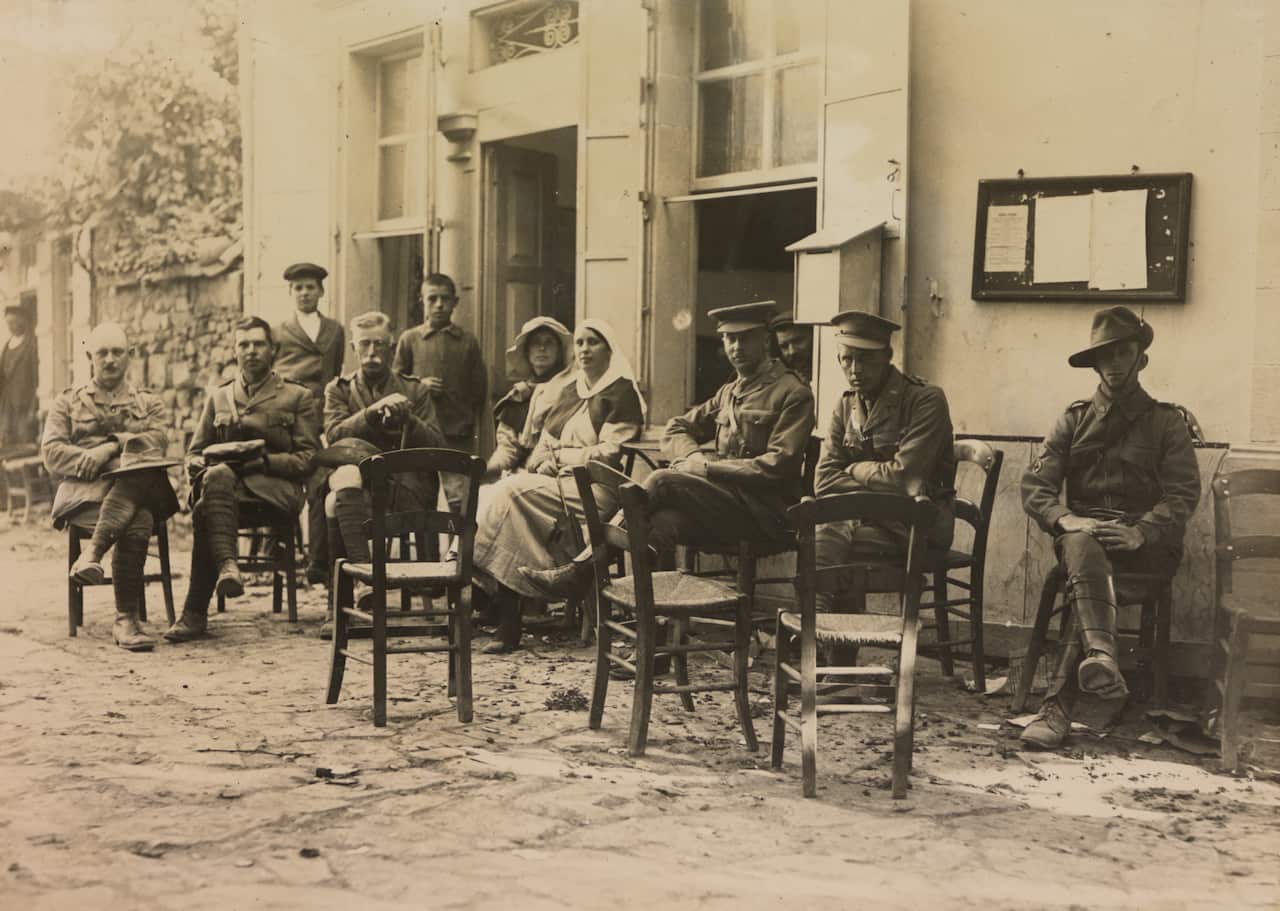
Between August and November 1915, more than 80,000 sick and wounded soldiers arrived there to be treated or evacuated to other hospitals.
While the casualties were tremendous, the team there managed to save a lot of lives.
Nevertheless, 148 Australians, 76 New Zealanders, and others are buried there in two Commonwealth war cemeteries.
Sydney’s Lemnian community, many individuals and other organisations including the Melbourne based Lemnos Gallipoli Commemorative Committee and historian Jim Claven have all played a key role in getting the Lemnos Hospital story recognised and funded, with some saying few Australians know of its significance.
Much of Greek-Australian war relations centre on the Greek Campaign and Battle of Crete fought during World War II, but the cordial ties began much earlier with local Lemnians and Australians interacting at the hospital in World War I, which began in 1914.
Con Havas is the president of the Sydney Lemnian Club. His ancestors tended to the bodies of those who died, he said, making sure they had dignity.
"Everyone would help them, when an Australian … whoever was dead, they would have them buried, ensure all was in order, they would give them poppies ... the little flowers."

The graves on Lemnos are proudly maintained by the locals. While the island is dry and barren, the lawn around the graves is a bright shade of green.
“The local Lemnians are proud that they are caretakers of these cemeteries and that they are immaculately looked after,” said researcher Elizabeth Kaydos, who is of Lemnian descent.
“The island is arid, but there is lawn... green lawn in the cemeteries and you walk through, it's a very emotional experience.”
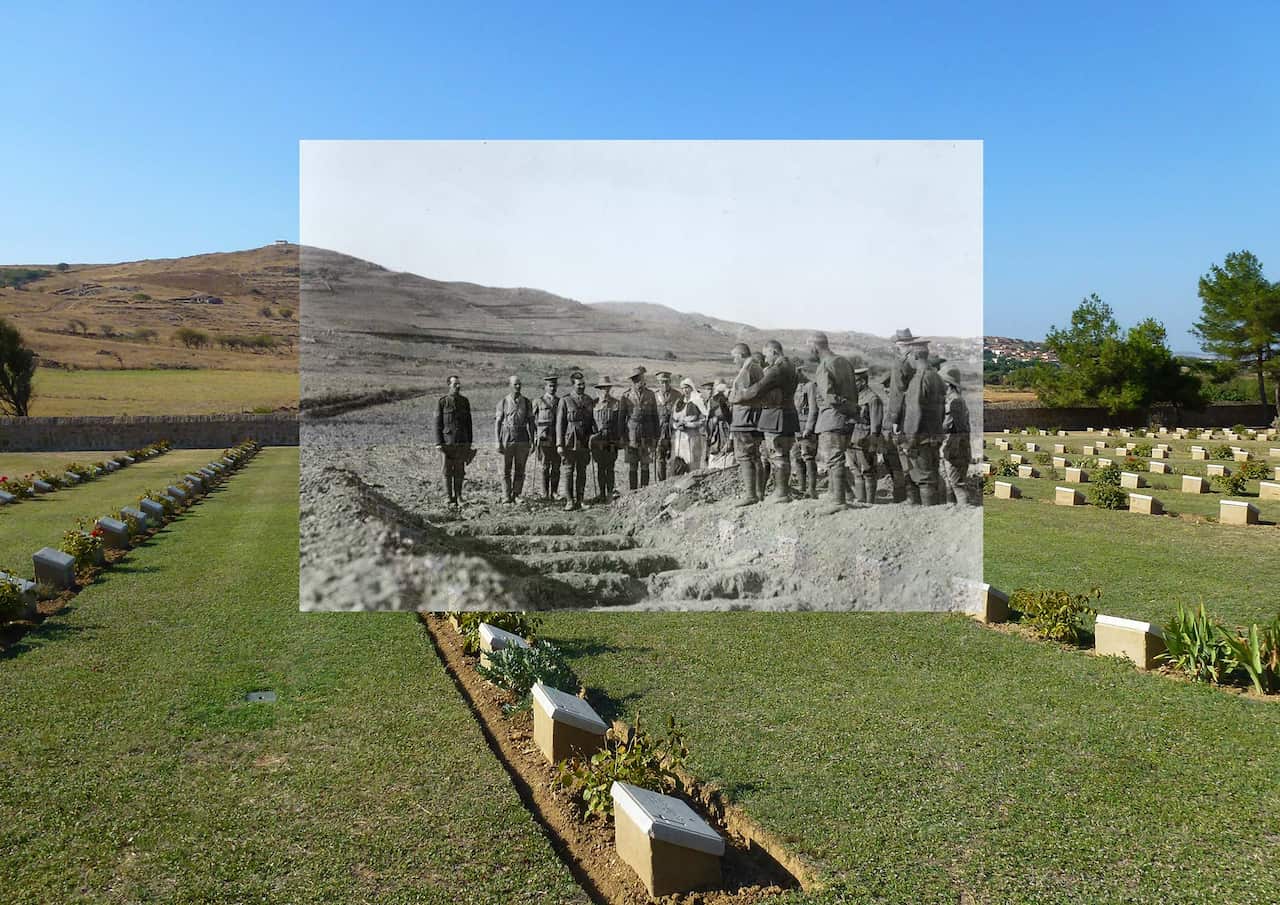
The locals also hold their own ANZAC Day service to commemorate the war effort, with some Australian dignitaries and families making the journey each year.
But as it stands, the area only has the gravestones in the green. The rest holds no obvious evidence that the site was once a busy hospital.
A grant of $4.9 million dollars in Australian government funding - with the support of the Greek government - now hopes to change that, with plans for a remembrance trail, signage and interactive tour to be developed on the island.
Announced last month, the 2022-23 federal budget papers list "$4.9 million over 2 years ... to construct the Lemnos Remembrance Trail on the former site of an Australian field hospital on the Greek island of Lemnos".
The funding is included as part of "commemorations and activities to honour our veterans" alongside activities to acknowledge Australia’s participation in the Vietnam War as well as upgrades to a memorial park in Malaysia.
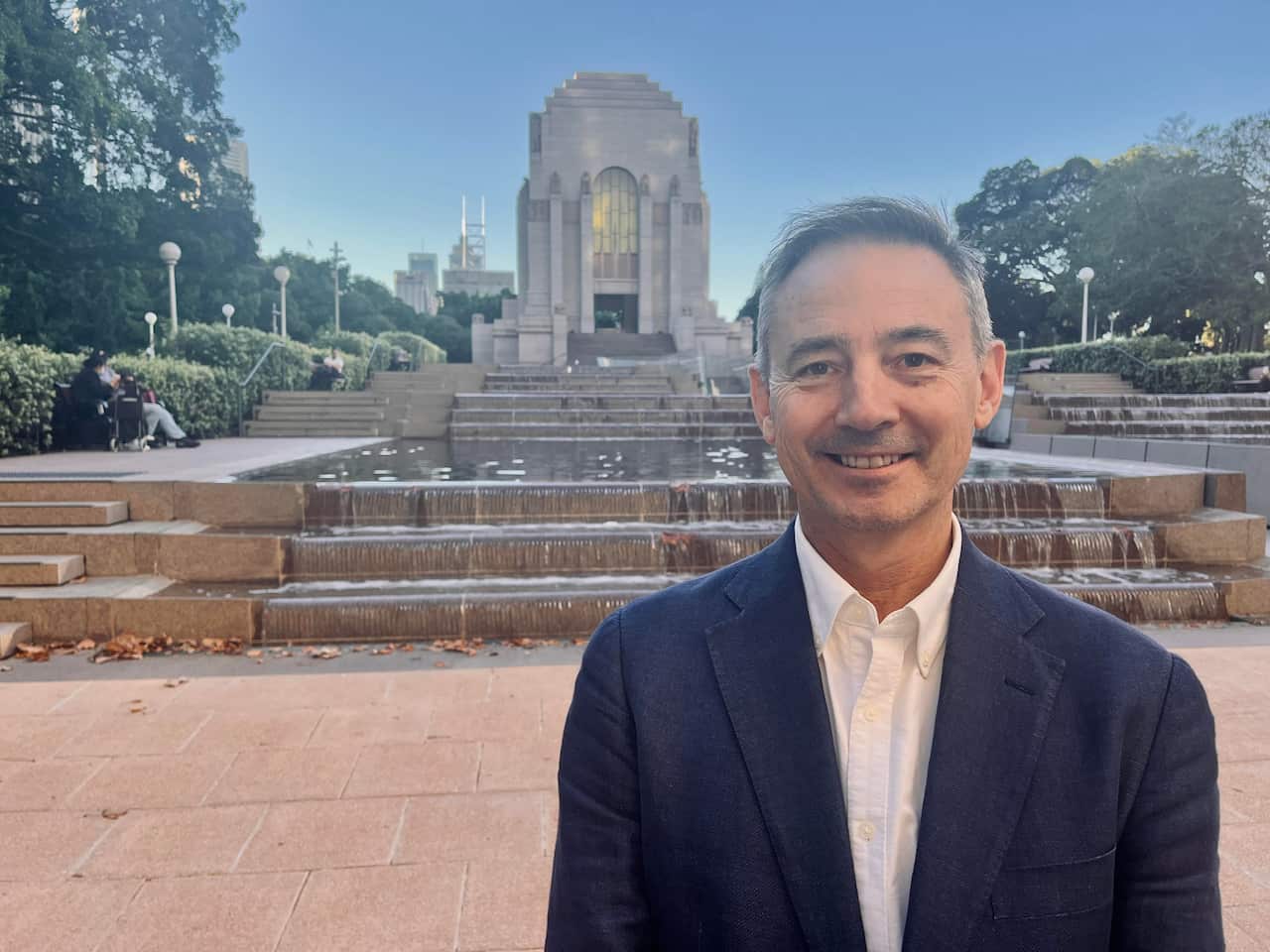
Brad Manera is a senior historian at the Anzac War Memorial in Sydney's Hyde Park. He said the plans for Lemnos are a significant acknowledgment of a little-known part of Greek-Australian history.
"Very rarely do we try and preserve and interpret a logistics base or a support base for a campaign. Lemnos ticks all those boxes."
"[In a] space that was once a tented encampment, once the tents disappear, how do you understand how the island worked? An interpretive trail is going to be vital if we are going to understand just how important the logistics base on Lemnos was."
Adding to the long-lasting connection between Australia and the island, Elizabeth Kaydos’ research has also uncovered evidence of a number of Australians named Lemnos, or a derivative of it.
They include a Lemnos Arthur Kelly, a McIntosh John Lemnos (born in 1915), and a Vietnam War veteran named Corporal Lemnos Bertram Knight.

The nurses' accounts of life on Lemnos when it was a war hospital are grim.
Among many commendations, matron Grace Wilson was the first woman to be made a lifetime member of the RSL.
She attempted to make conditions bearable for the injured on Lemnos and for the nurses caring for them.

"In August 1915, when Grace and the third Australian General Hospital arrived, there was no equipment, no facilities were ready and they were trapped on the boat in the harbour until things were a little more organised," her great-niece Ms Dwyer said.
"But there were 150 wounded just lying on pebbles and rocks in the open in the heat and no provisions. When the nurses finally did disembark, they used their uniforms for bandages. They tore up the uniforms and gave the soldiers a lot of their rations."
Ms Dwyer has learned that her great-aunt made a real impact on the island.
"We were sort of astonished when we arrived there that the local people ... knew the history and knew who Grace was."
"That's an important tradition and connection that will now be maintained forever."
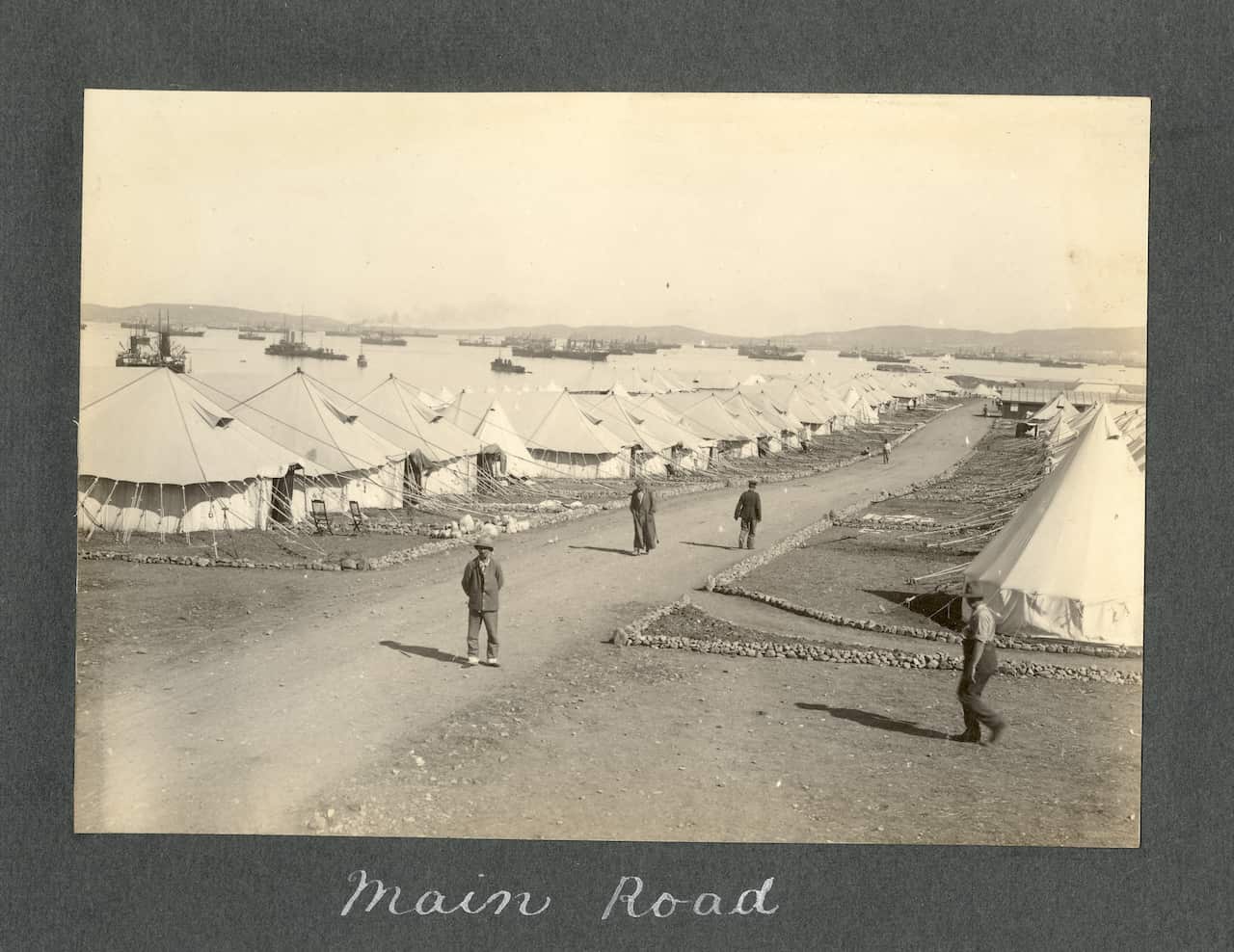
While the island was the scene of much suffering and tragedy, other diary entries from the time describe the peace the island offered, with the queue to use thermal baths stretching for more than a kilometre. Often, it would be the first warm wash some soldiers would’ve had for months.
Even though some of the history can be painful, historian Mr Manera said it's important it gets acknowledged.
"I hope that there are lessons in remembering past wars when we look at going to war in the future."
"When you walk those windswept hills of Lemnos, and you come across a Commonwealth war cemetery with line after line of headstones... is there a more poignant reminder of the tragedy of war?"
Anzac Day is marked on 25 April.
Clarification: This article has been updated to reference the contribution of the Lemnos Gallipoli Commemorative Committee.
Would you like to share your story with SBS News? Email yourstory@sbs.com.au







