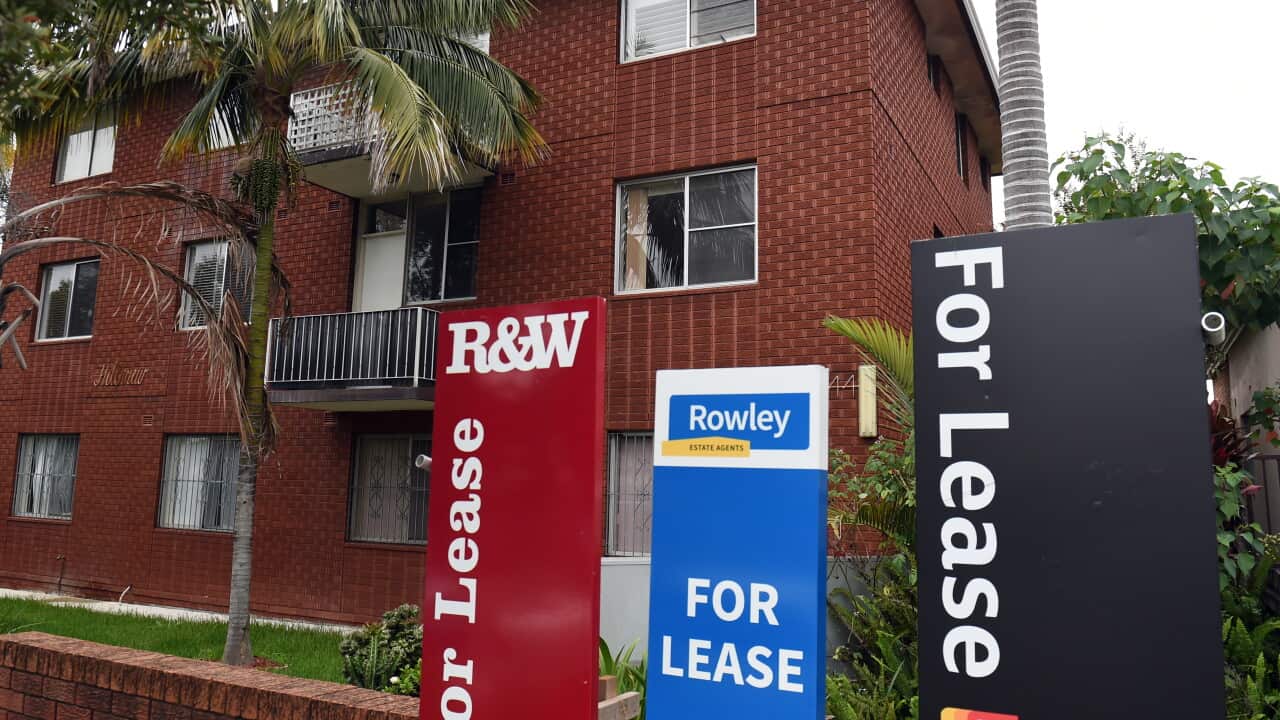
The ongoing housing crisis is having severe repercussions on individuals and families in Australia. It has limited young people’s ability to move out, increased the rate of involuntary lifelong renting, and pushed vulnerable populations into homelessness.
These are not the only changes that flow as a result of housing unaffordability. Our new research demonstrates it’s also reshaping how people vote.
An interesting case study
A longstanding body of academic work links individuals’ assets to their political and ideological beliefs, including the parties they vote for.
This literature shows people with more valuable assets are more likely to hold right-leaning political beliefs. They are also more likely to support conservative parties that favour the status quo over efforts to redistribute money and wealth more equitably throughout a society.
News that makes sense
Your trusted source for staying up-to-date with the world around you. Get free daily news updates and analysis, straight to your inbox.
For the average person, the family home is the most valuable asset they will ever own. However, surprisingly few studies have considered the influence of home ownership on voting preferences. Australia represents an interesting case study for two key reasons.
First, Australian major political parties differ in their electoral positions regarding housing policy. In particular, the Coalition of the Liberal and National parties has historically favoured homeowners through — for example — negative gearing and tax discounts. In contrast, since the 2010s, the Australian Greens and the Labor Party have progressively adopted more pro-renter stances.
Second, Australia’s trend towards housing unaffordability is particularly pronounced by international standards. This is reflected in increased home and rental prices, reduced homeownership rates and increased property-ownership concentration. This situation creates a greater divide in the economic interests of renters and homeowners, potentially shifting (or entrenching) party preferences.
Our research
Our new study explored how housing tenure relates to voting behaviour in Australia. We also wanted to know whether the relationship has become stronger over time.
We analysed survey data from more than 19,000 people participating in ten iterations of the Australian Election Study between 1996 and 2022. The Australian Electoral Study interviews people shortly after each national election, collecting information on their demographic traits, economic position and sociopolitical attitudes.
We analysed these survey data to examine associations between individuals’ self-reported housing tenure and the party they voted for in the last election. We also kept other relevant factors constant, such as age, income, area of residence and social class.
The ‘homeowner, conservative voter’ association
In a first set of analyses, we compared the voting preferences of renters, mortgage holders and outright owners, pooling data from 1996 to 2022.
All else being equal, there is a clear link between home ownership and voting for the Coalition. Specifically, 45.6 per cent of outright owners voted for the Coalition, compared with 44 per cent of mortgage holders and 37.6 per cent of renters.
By contrast, 34.2 per cent of outright owners, 36.3 per cent of mortgage holders, and 38 per cent of renters voted Labor.
In other words, there is a pro-Coalition advantage of 11.4 percentage points among outright owners, and a smaller 7.7 percentage-point advantage among mortgage holders when compared to Labor. For renters, however, we observe a slight Labor advantage of 0.3 percentage points.
The analyses also unveiled interesting patterns for the Greens, who disproportionately attract renters. In fact, our data indicate 23 per cent of Greens votes come from renters, compared with just 11 per cent and 18 per cent for the Coalition and Labor, respectively.
Together, these results align with the premise that the Coalition has been historically successful in attracting homeowners as a key constituency.
They also suggest that having a mortgage makes people more likely to vote for policies that redistribute wealth and provide a buffer against interest rate changes.
Renters, on the other hand, visibly lean towards parties that more actively support tenants’ economic interests.
Are things changing over time?
Importantly, our research shows the influence of home assets on voting behaviour is not static. Rather, it has changed visibly over the 26 years between 1996 and 2022, aligning with the increasing cost of living and housing.
Crucially, the data show renters have progressively abandoned the Coalition as their party of choice. While 44 per cent of renters voted for the Coalition in 1996, just 31 per cent of renters did so in 2022.
On the aggregate, these voters seem to have been absorbed for the most part by the Greens, who saw the share of renters voting for them increase from 3 per cent in 1996 to 20 per cent in 2022.
How might future elections look?
Our study provides evidence that homeownership should be a factor to be considered in its own right in analyses of political behaviour, separate from other asset types.
The findings reveal a strong and increasing tendency for renters to vote for left-leaning over right-leaning parties. This could have significant implications for both future election results and party strategies, especially as renters account for an increasing share of the adult population.
At the same time, renters have seen their market power deteriorate, further motivating them to find a party or candidate committed to helping them. Parties that design policies to appeal to renters may therefore reap rewards in future elections.
If the current trend extends into the future, renters may indeed hold the key to reshaping the Australian political landscape.
Francisco Perales is an adjunct professor at the School of Government and International Relations at Griffith University.
Ferran Martinez i Coma is a professor of political science at Griffith University.
For the latest from SBS News, download our app and subscribe to our newsletter.








