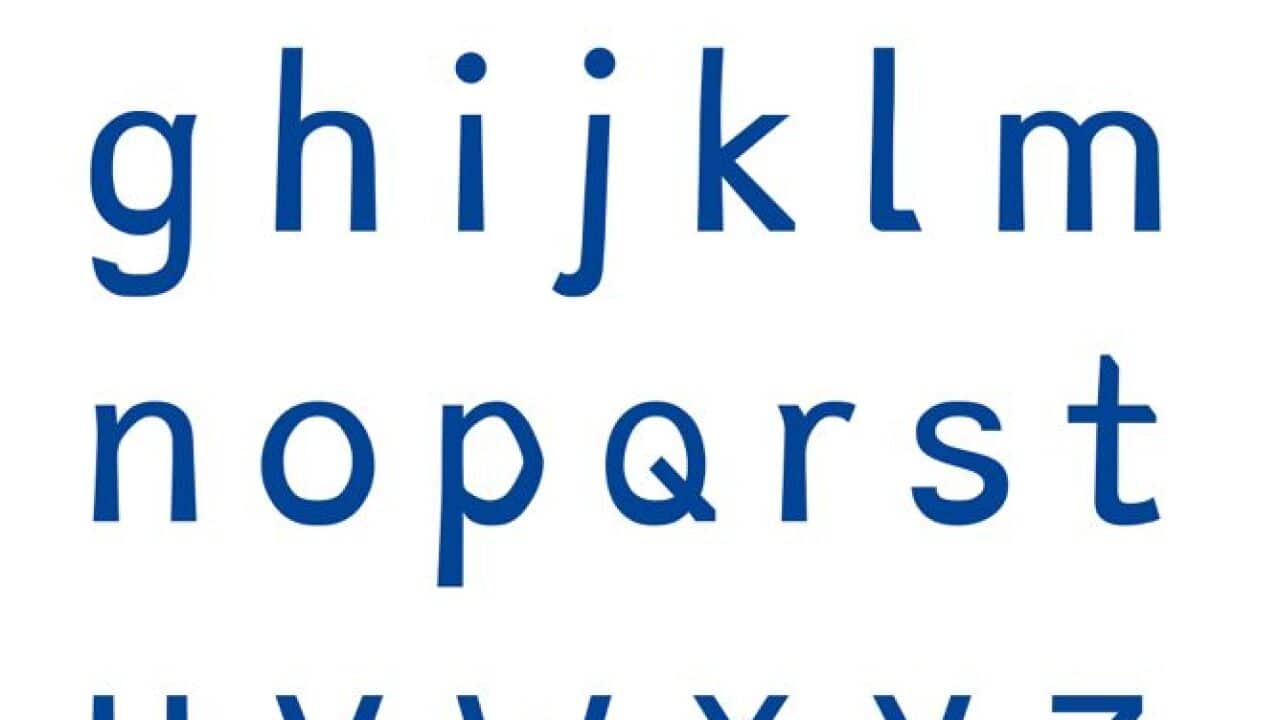
“Traditional fonts are designed solely from an aesthetic point of view,” Boer writes on his website, “which means they often have characteristics that make characters difficult to recognize for people with dyslexia. Oftentimes, the letters of a word are confused, turned around or jumbled up because they look too similar.”
Designed to make reading clearer and more enjoyable for dyslexics, Dyslexie uses heavy base lines, alternating stick and tail lengths, larger openings, and semicursive slants to ensure that each character has a unique and more easily recognisable form.
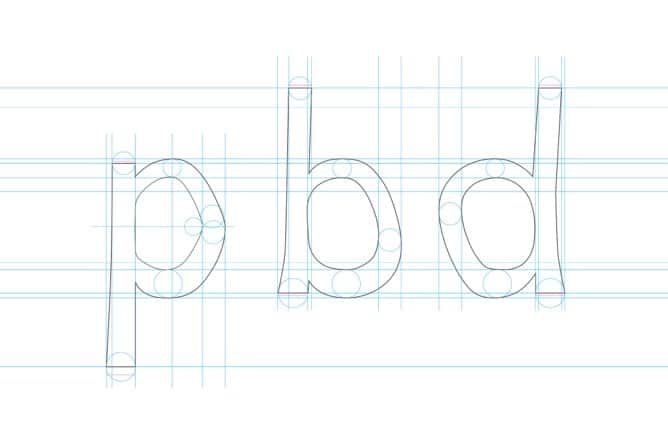

Currently featured as part of the Istanbul Design Biennial, Boer’s Dyslexie typeface was originally conceived as part of his Utrecht Art Academy thesis in 2008. He has recently made it available for home users to download for free. Once installed, dyslexic readers can use the font to type, print documents, read email, or browse the Web.
News that makes sense
Your trusted source for staying up-to-date with the world around you. Get free daily news updates and analysis, straight to your inbox.
Boer says that independent studies from the University of Twente and the University of Amsterdam back up his claims that Dyslexie helps both children and adults with dyslexia to read faster and with fewer errors. He told me in an email that since making the font available for free to individual users last June, 12,000 people have downloaded it. He says that Dyslexie is also being used “within companies such as Shell, KLM, Citibank, Pixar, Nintendo, Talpa, as well as various government agencies, many universities and other educational institutions.” The Dyslexie website includes a list of books and e-books available in the font.
Dyslexie isn’t the only font designed for dyslexics. Introduced in 2011, OpenDyslexic is an open-source font that is also available for free download.
© Slate 2014







