
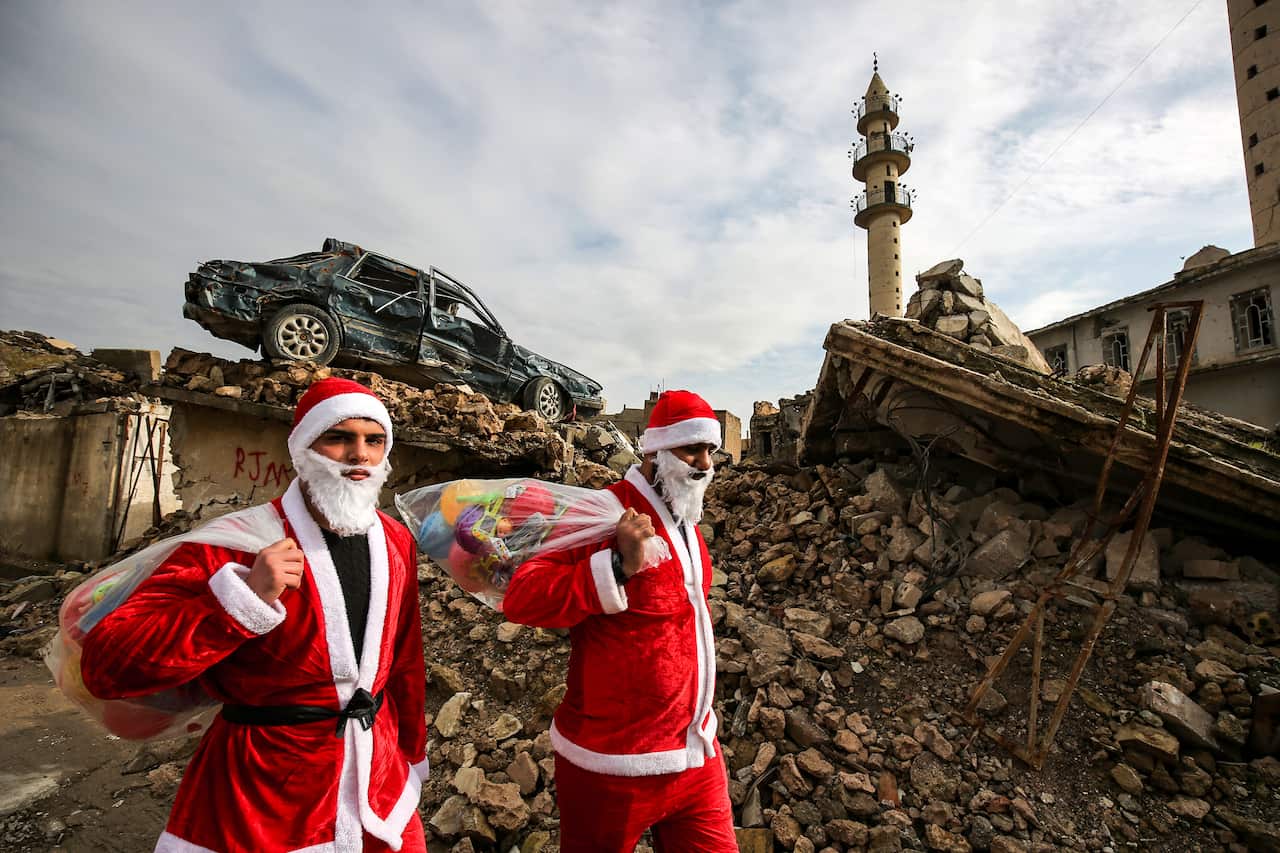
It's been just over a year since Iraq declared victory over the so-called Islamic State.
Since then a lot has happened, including US President Donald Trump making a surprise visit to American military forces stationed in the country.
The visit, his first to the war zone, comes after he announced that the US would withdraw completely from Syria and reduce the number of troops in Afghanistan - but vowed to remain committed to preserving security in Iraq.
"We have defeated ISIS in Syria," Mr Trump tweeted, announcing the pull out of Syria in a move that has copped flak from international allies and even members of his own Republican party.
News that makes sense
Your trusted source for staying up-to-date with the world around you. Get free daily news updates and analysis, straight to your inbox.
Meanwhile, on Tuesday, IS claimed responsibility for a car bomb attack that rocked the former jihadist stronghold of Tal Afar in northern Iraq, killing two people.
It was the first attack in Tal Afar since Iraqi forces retook the city in August last year.
In light of this, here's a look back at a rocky year that has challenged the politically divided and war-ruined country.
'Sleeper cells'
On January 15, Prime Minister Haider al-Abadi said jihadist "sleeper cells" remain in the country and must be eliminated.
His comments came after a twin suicide bombing killed 31 people in Baghdad, the second such attack in three days.
The following month, IS fighters disguised as soldiers killed 27 members of a pro-government paramilitary group, Hashed al-Shaabi, underlining the threat still posed by the jihadists.
Moqtada Sadr's shock election win
On May 12, Iraq held parliamentary elections, with firebrand Shiite cleric Moqtada Sadr achieving a shock win.
Sadr's militia is known for a bloody insurgency against US troops who invaded in 2003 to oust long-time dictator Saddam Hussein.
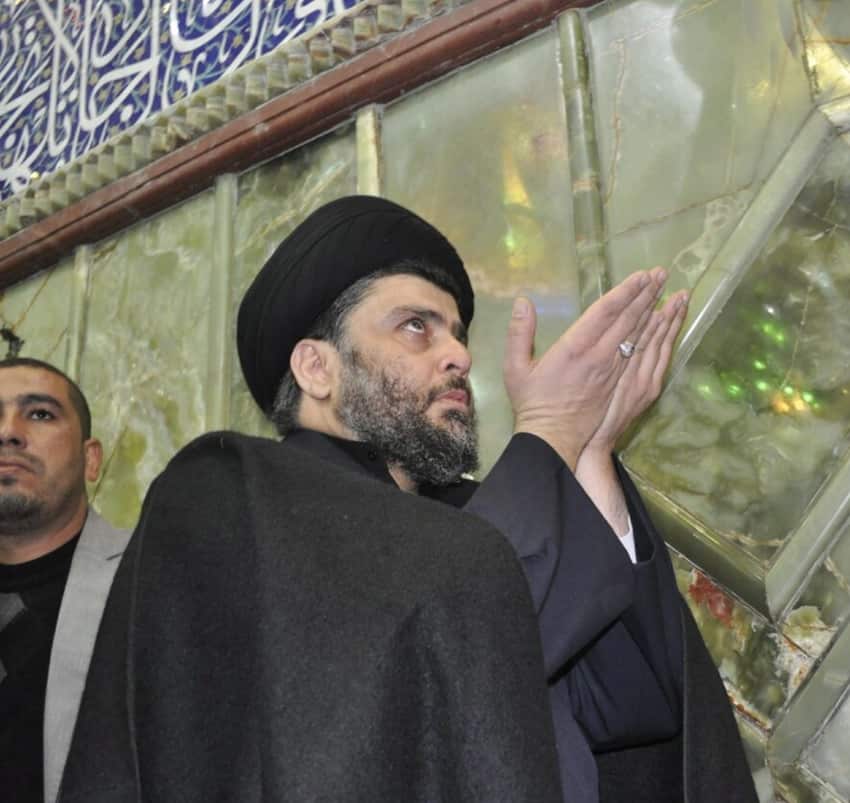
In an alliance with Communists, Sadr's group takes 54 seats. The Conquest Alliance of pro-Iranian former paramilitary fighters comes second with 48 seats. Prime Minister Abadi's bloc is third with 42.
Jihadists hanged
On June 3, a French woman is sentenced to life in jail for membership of IS. She is among more than 300 people, including around 100 foreigners, sentenced to death or life in prison on the same charges, judicial sources said.
On June 29, 13 jihadists on death row are executed in retaliation for the killing of eight civilians who had been held captive by IS.
Protests erupt
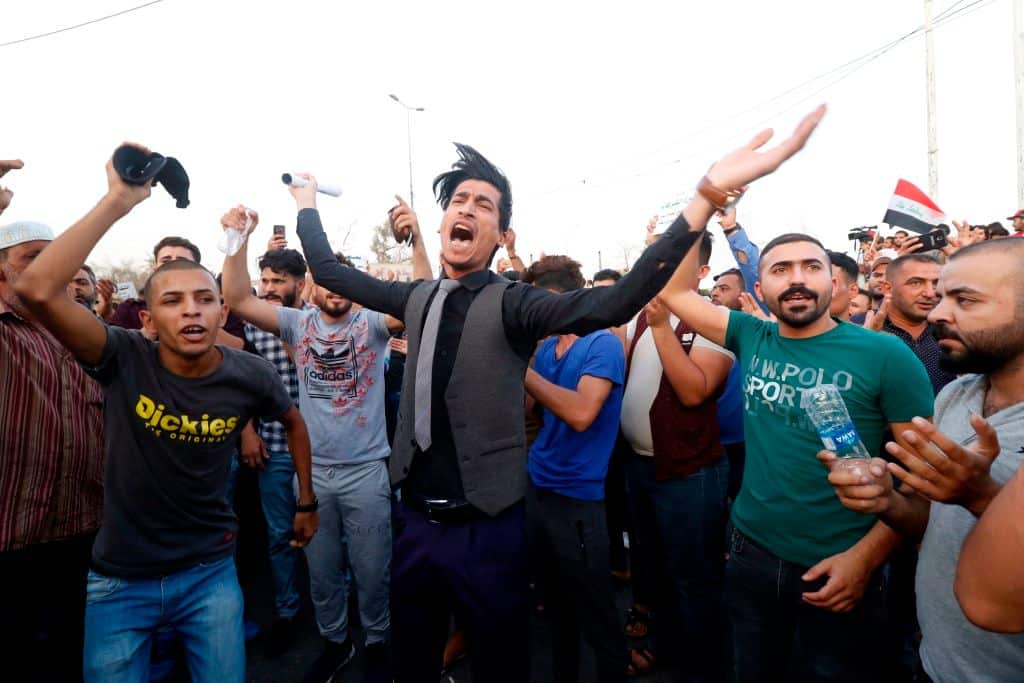
On July 8, dozens of people protest against unemployment in the port city of Basra. Violent demonstrations spread to other parts of the country, demanding jobs and condemning corruption among officials.
Over a week in early September, 12 protesters are killed in Basra in clashes with security forces.
On September 3 - four months after the elections - the groupings of Sadr and Abadi agree to work with others to create the biggest bloc in parliament capable of forming a new government.
But on September 8 Sadr drops his support for Abadi as anger grows over the Basra killings.
Political divisions
On September 15, parliament elects a speaker in a major step towards forming a long-delayed government.
Speaker Mohammed al-Halbusi is a Sunni, in line with a long established power-sharing deal in which the prime minister must be a Shiite and the president a Kurd.
On October 2, the parliament selects Barham Saleh as president, a largely ceremonial role. He instructs independent Adel Abdel Mahdi to form a government as prime minister-designate.
On October 5, the parliament approves Mahdi's 14 proposed cabinet ministers but key portfolios are not assigned because of political divisions.
The first attack on Mosul
On November 8, a car bomb kills at least three people in Mosul in the first such attack in the city - which had been the de facto IS capital in Iraq for nearly three years - since jihadists were ousted there in July 2017.
The Center for Strategic and International Studies says that while the total number of IS attacks in Iraq has dropped in 2018, those against government targets have increased.
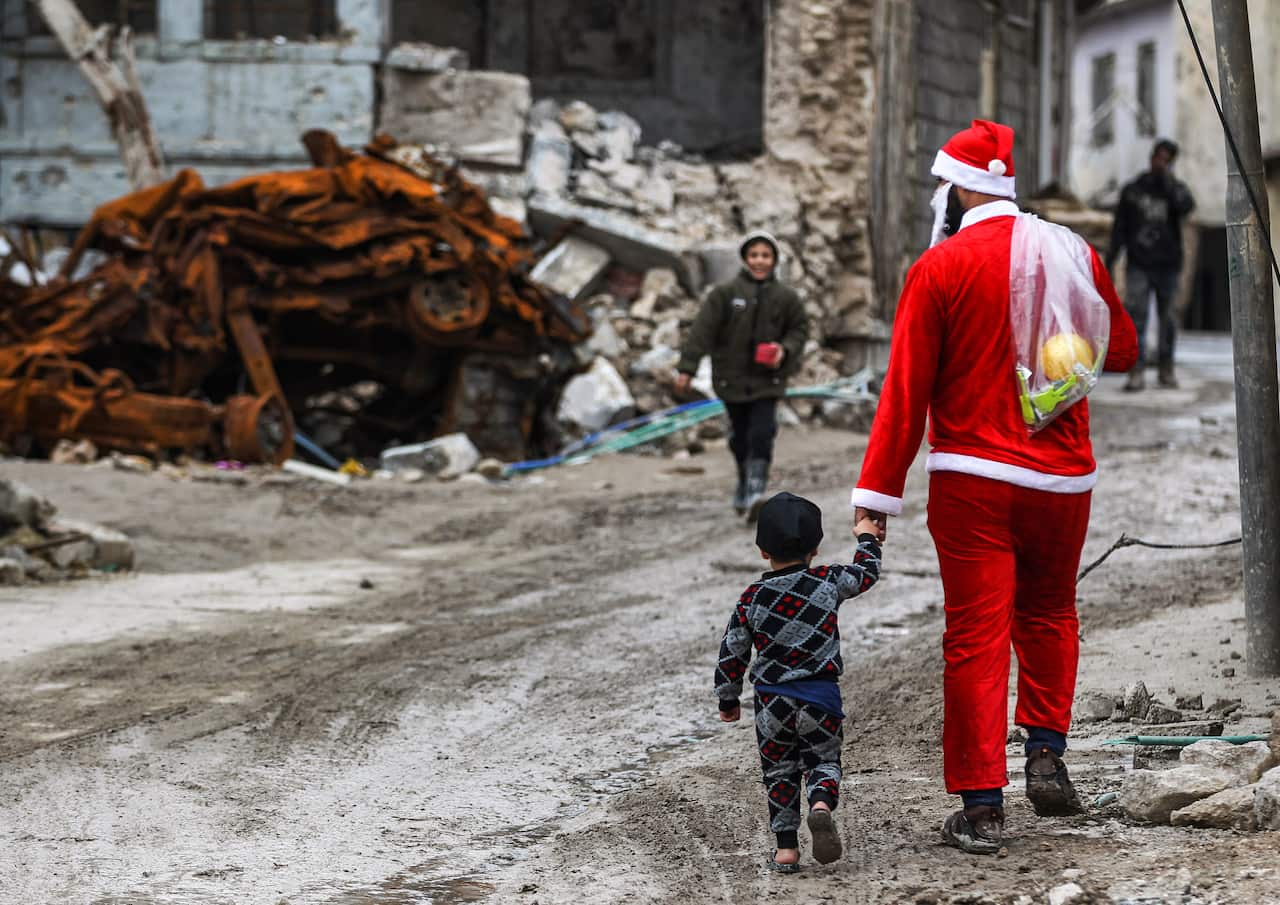
On December 10, the anniversary of the declared IS defeat, Mahdi says the next target is corruption.
The government meanwhile announces it will reopen part of Baghdad's high-security Green Zone, where key government offices and Western embassies are based, for five hours every evening. It has been closed off to the general public since 2003.







