
Two powerful aftershocks have shaken eastern Afghanistan in a span of 12 hours, triggering fears of more deaths and destruction in a region where around 2,200 people died in quakes in four days.
They follow two earthquakes that have already ravaged the South Asian nation, crushed by war, poverty and shrinking aid.
The Taliban administration estimated 2,205 deaths and 3,640 injuries by Thursday.
A Reuters witness said continuous aftershocks hit the province of Nangarhar, and details of the damage were still being collected.
Friday's magnitude 5.4 earthquake struck the south-east at a depth of 10km, German Research Centre for Geosciences said, hours after an earlier quake on Thursday night.
News that makes sense
Your trusted source for staying up-to-date with the world around you. Get free daily news updates and analysis, straight to your inbox.
The week's first earthquake of magnitude 6.0, just minutes before midnight on Sunday, was one of Afghanistan's deadliest, unleashing damage and destruction in the provinces of Nangarhar and Kunar when it struck at a shallow depth of 10km.
A second quake of magnitude 5.5 on Tuesday caused panic and interrupted rescue efforts as it sent rocks sliding down mountains and cut off roads to villages in remote areas.
With houses built mostly of dry masonry, stone, and timber, some families preferred to stay in the open rather than return home, as a precaution against aftershocks.
Naqibullah Rahimi, a spokesperson for the health department in Nangarhar province, said the epicentre of Thursday's earthquake was in the district of Shiwa near the border with Pakistan, and there were some initial reports of damage.
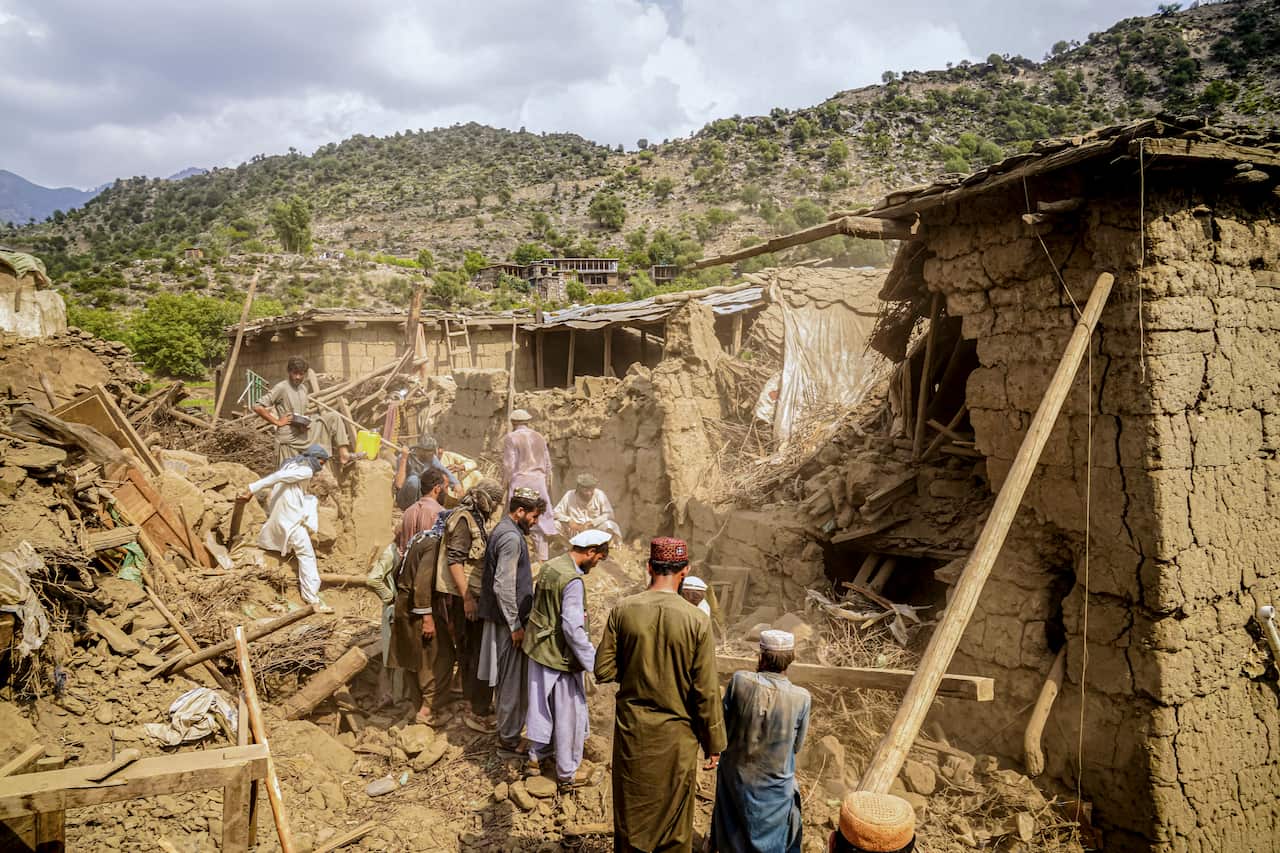
The earlier quakes flattened villages in both provinces, destroying more than 6,700 homes, and rescue workers pulled bodies from the rubble on Thursday.
Critical need for aid, organisations say
Survivors in the earthquake-prone region are scrambling for basic amenities as the United Nations and other agencies warn of a critical need for funds, food, medical supplies and shelter, with the World Health Organization (WHO) seeking funds of US$4 million ($6.12 million).
Landslides and debris on key roads hampered relief work, the WHO said, while calling for more funds to provide healthcare and disease surveillance.
"A funding gap of at least $US4 million threatens to delay critical activities, underscoring the urgent need for international support," WHO said in a statement.
It warned against the risk of disease, stemming from overcrowded shelters, unsafe water and inappropriate waste management, while an influx of Afghans recently deported from Pakistan strains the fragile healthcare system.
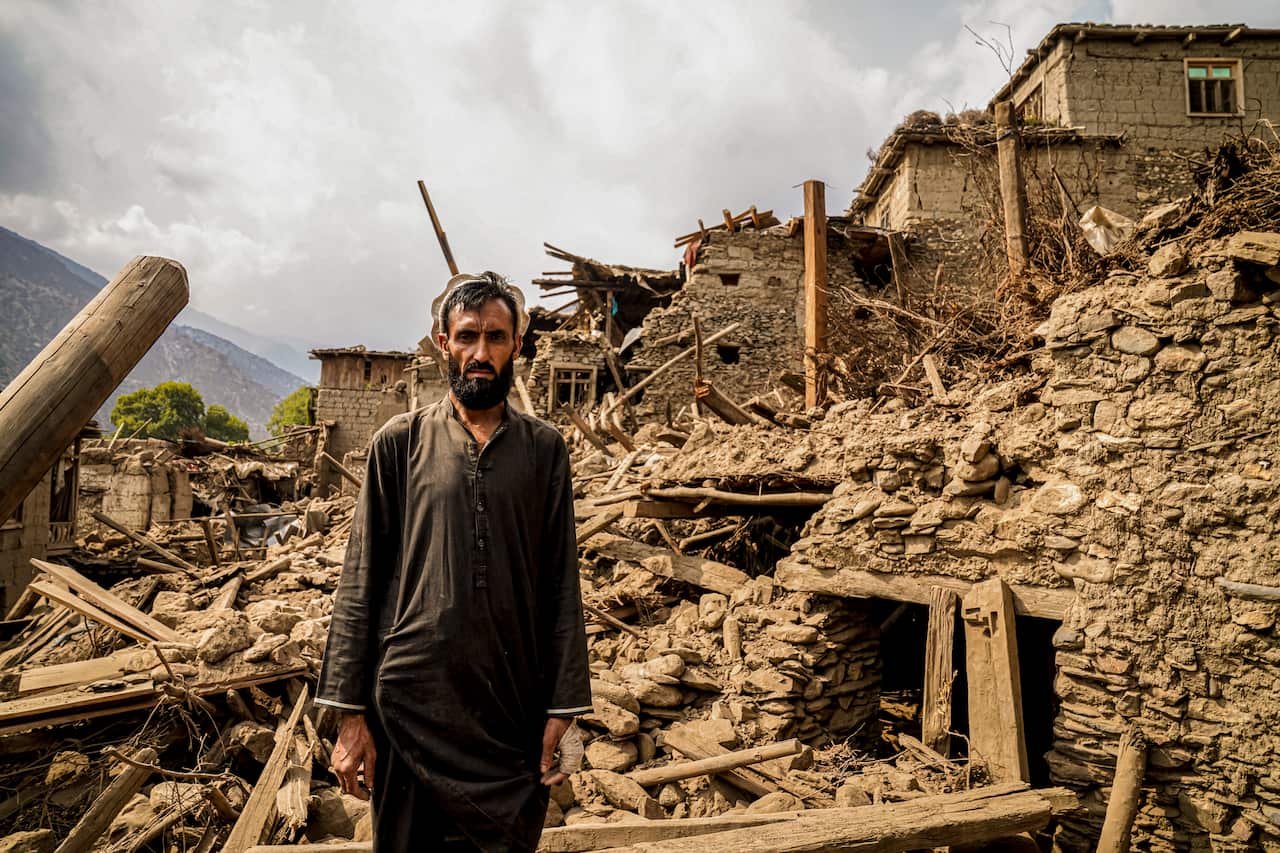
Afghanistan's Taliban government appealed for urgent aid from the world soon after Sunday's disaster.
But relief has been scant in a country largely ignored by the world since the Taliban takeover in 2021.
The country is also struggling to cope with millions of Afghans expelled from neighbouring Iran and Pakistan, and those hit by drought in its north.
The UN, which has said money to help quake victims will run out soon, plans to launch an emergency appeal for funds, a senior official in the country said.
The UN has released US$10 million ($15.3 million), more than the trickle of cash announced by rich nations, while others have sent assistance such as tents.
"We have some seed funding, but we are looking to make a flash appeal," Kate Carey, deputy head of the UN's humanitarian affairs co-ordination office for Afghanistan, told Reuters.
For the latest from SBS News, download our app and subscribe to our newsletter.







