

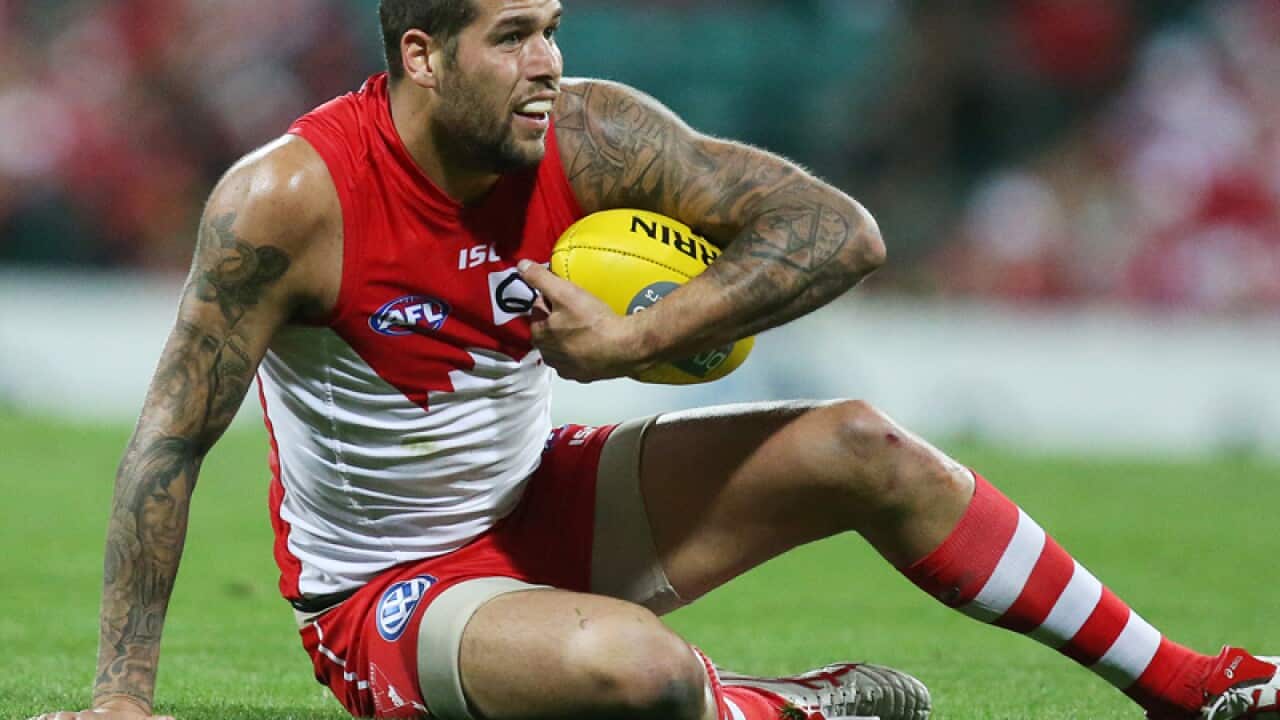
According to Beyond Blue, 3,000,000 Australians live with depression or anxiety, so it should be no surprise many sports stars are affected.
Simon Hogan quit his AFL career with Geelong to deal with depression and now works as a Community Engagement Officer at headspace.org.au
“It’s not pleasing when you hear someone’s having a rough time, or having a mental health issue, but across the board it is pleasing that it’s more accepted,” he said. “And in every case that’s eventuated in terms of mental health this year and last year, the support has been fantastic from the [AFL] industry, and from the team, which is great to see.”
Hogan said AFL players had better access to help than ordinary Australians. The Swans, for instance, have a full-time psychologist on their books.
He said it was often difficult for players to speak out in a team-first culture, but this could be changing.
News that makes sense
Your trusted source for staying up-to-date with the world around you. Get free daily news updates and analysis, straight to your inbox.
“I think there has been a shift towards individualising where people are at, and you see it with a few retirements around concussion issues this year, and high-profile people stepping out and speaking about their mental health issues,” he said. “So I think we’re at a bit of a turning point where people are more accepted for speaking out about their own individual issues.”
The NRL is also trying to get the message out that it’s OK to speak up, and there is help available.
For the first time this season, 15 first-graders have volunteered to be ambassadors for the league’s State of Mind program.
Among them was Tariq Sims, the latest player to admit he needed professional help to deal with depression after a serious injury.
“A close friend of mine told me I should speak to someone and that was life-changing, because I was really struggling, I was on a bit of a slippery slope, as they say.”
Adam Check, who is Head of Community at the NRL, said the code was determined to make a difference.
“Rugby league is a part of the fabric in Australia,” he said. “We can try and break down those barriers.
“It’s A-OK to have a discussion about it and hopefully we can educate people about what to do when you see those signs; who you connect to, simple things that remove that discomfort about mental illness.”
For more information: