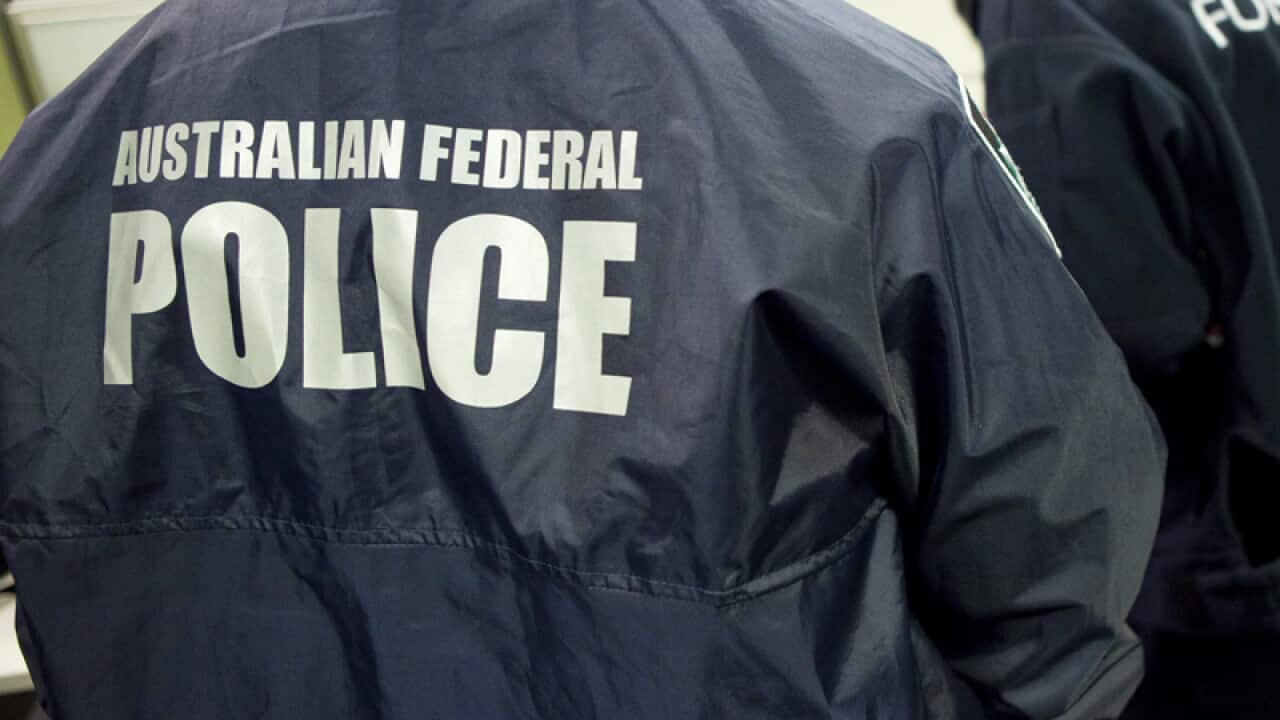
Australian Federal Police chief Andrew Colvin has denied any political influence over raids on the office of a Labor senator and an ALP staffer.
He has also said documents seized from the office of Senator Stephen Conroy and a Melbourne private home have been sealed, after a declaration of parliamentary privilege.
The AFP will need parliamentary approval to look at them.
Police are investigating the leaking of confidential documents about the national broadband network after the matter was referred from NBN Co last December.
Mr Colvin said the timing of the raids on Thursday night - at the end of the second week of the federal election campaign - was not determined by external factors but by the progress of the investigation.
News that makes sense
Your trusted source for staying up-to-date with the world around you. Get free daily news updates and analysis, straight to your inbox.
"The AFP always acts independently and within the law," he told reporters in Canberra on Friday.
"In regard to government and political influence ... there has been no influence on the AFP in the conduct of this investigation."
Police were concerned "offending" had been going on while they were investigating, which was a key part of the reason for the timing of the raids.
Mr Colvin said parliamentary privilege had been claimed over documents seized by police.
The documents had been sealed and were no longer accessible to police, despite privilege having been claimed after the documents were seized.
"They will be lodged in the Senate and a process will be put into play by the parliament to determine if parliamentary privilege is afforded to those documents," he said.
Interviews had also been conducted at NBN headquarters in Sydney.
The government was informed shortly after the raids were launched, followed by the opposition leader and Senator Conroy.
Mr Colvin also revealed the AFP had several leak inquiries under way, some of which were not on the public record.
The commissioner has asked the AFP's professional standards branch to look at whether the media were tipped off.







