
By Rena Sarumpaet
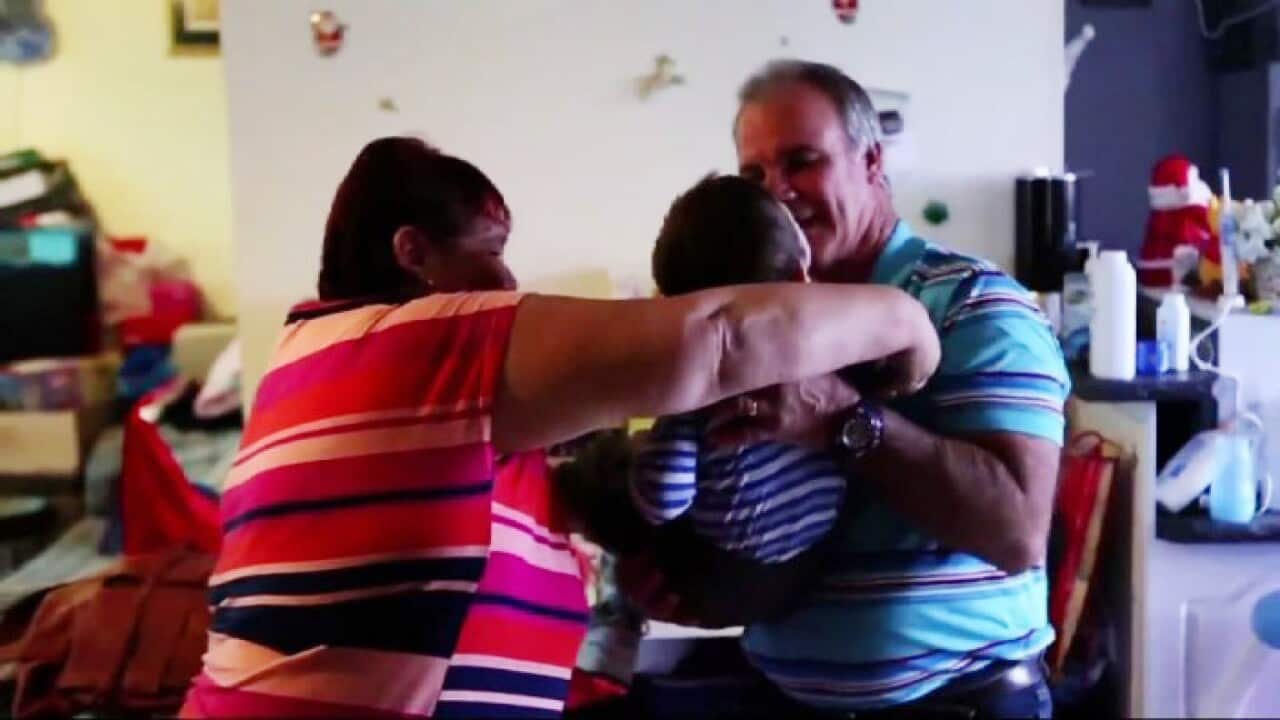
One Lebanese couple in south-western Sydney says despite all the challenges, being a foster parent is all worth it.
Over four years, the upholsterer and former childcare worker, Rashid and Haunida, have worked hard caring for their three foster children.
The siblings are now aged 16, 15 and 11.
Two came with special needs and all three children had been removed from situations of neglect and domestic violence.
"I couldn't knock ‘em back," said Haunida.
"I couldn't be picky [and] say I want to have a child who's fully developed, bright, smart - it's hard to pick."
They are just one couple among those caring for some 18,000 foster childen in NSW. Nationally, there are 40,000 children.
In New South Wales, there's no real shortage of foster places.
Each year, 450 new households are needed.
For foster parents, it's a labour of love. At $400-$450 a fortnight per child, the basic allowance doesn't cover expenses.
But special needs children draw extra funding and services.
Fostering generally has no hard and fast rules on living arrangements and length of stay.
"We all know that kids with disabilities place added strains on families," says Andrew McCallum, chief executive of the Association of Children's Welfare Agencies.
"Sometimes no one family can provide the total care necessary, so it may be a shared care arrangement where the natural family and the respite family and other support services are necessary."
Both Lebanese Muslims, Rashid and Haunida were 'culturally matched' with the children.
And with Australia's changing demographics, authorities are looking beyond the traditional foster household of families with one parent at home.
“There's empty nesters, who may have time to provide respite care. Gay and lesbian couples [too],” says Mr McCallum.





