Life in Syria: a series of reports from the frontline
Images from Madaya, not far from Damascus, are some of the most confronting to emerge from the Syrian war. They show adults and children nibbling leaves, licking salt and starving to death.
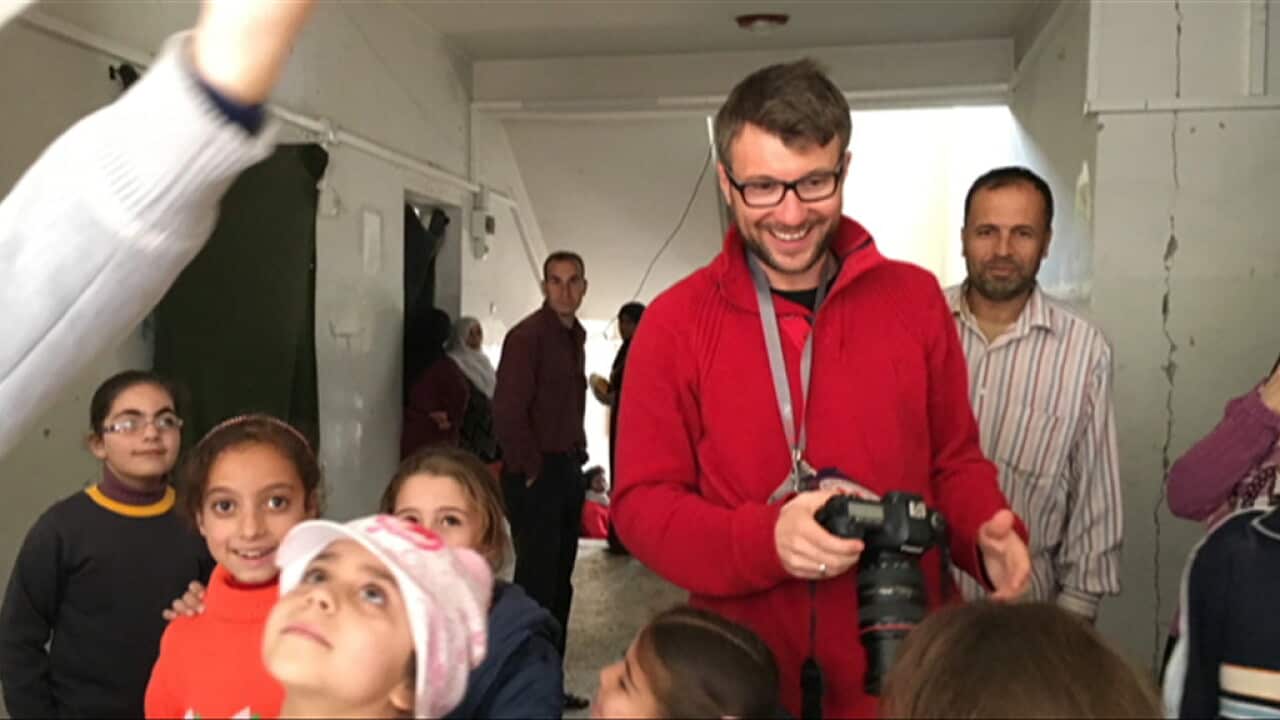
Earlier this month aid finally made it through to Madaya, and braving the frontline crossing with the first convoy was International Committee Of Red Cross worker Pawel Krzysiek.
Mr Krzysiek has delivered front-line aid in some of the world’s most dangerous conflicts including Iraq and South Sudan. He said the desperation of those in Madaya was something he would never forget.
“When we were entering it was a very emotional, very heartbreaking moment,” he told SBS.
News that makes sense
Your trusted source for staying up-to-date with the world around you. Get free daily news updates and analysis, straight to your inbox.
“In these eyes you could see a glimpse of hope that something is happening in this place despite the siege. They were weak but you could see very big smiles.”
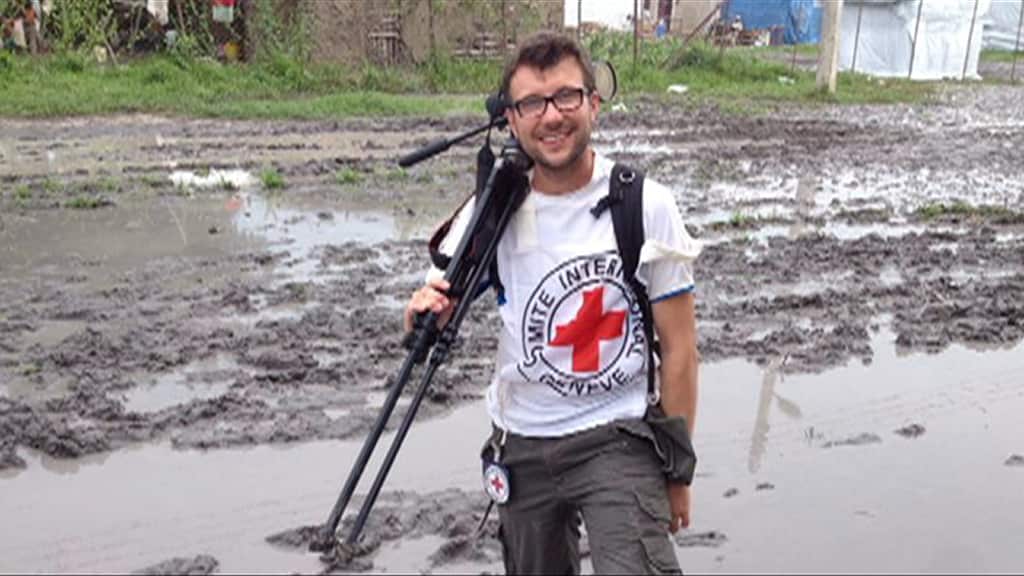
He’s calling for free and unimpeded access to deliver aid, saying denying basic necessities to civilians amounts to little more than using food, water and medication as weapons of war.
“Regardless of who is fighting who, the civilians should not be victims of this war,” he said.
Mr Krzysiek acknowledged that the work he did was extremely dangerous and said loved ones had the right to be concerned. He said ceasefires were negotiated by both sides - paving a way for aid access - but conventions were not always followed, meaning there were no guarantees.
“I don't know if this is adrenaline or fear,” he said. “I know that you feel something; you feel that you need to get there.
“Too many people in this conflict are trapped in the fighting.”
Mr Krzysiek said he planned to see out his posting before considering his next career option.
Sarah
Another person devoting a life to aid provision is Australian sanitation-and-water engineer Sarah Davies, who has been living in Syria for almost two years.
Raised on the New South Wales south coast, Ms Davies has worked in a number of natural disaster and conflict zones.
With a Masters among her many qualifications, she could readily command a high salary in the corporate sector. But said she was not motivated by money.
“It's really rewarding. I've always wanted to do work where I felt like I was making a difference,” she said.
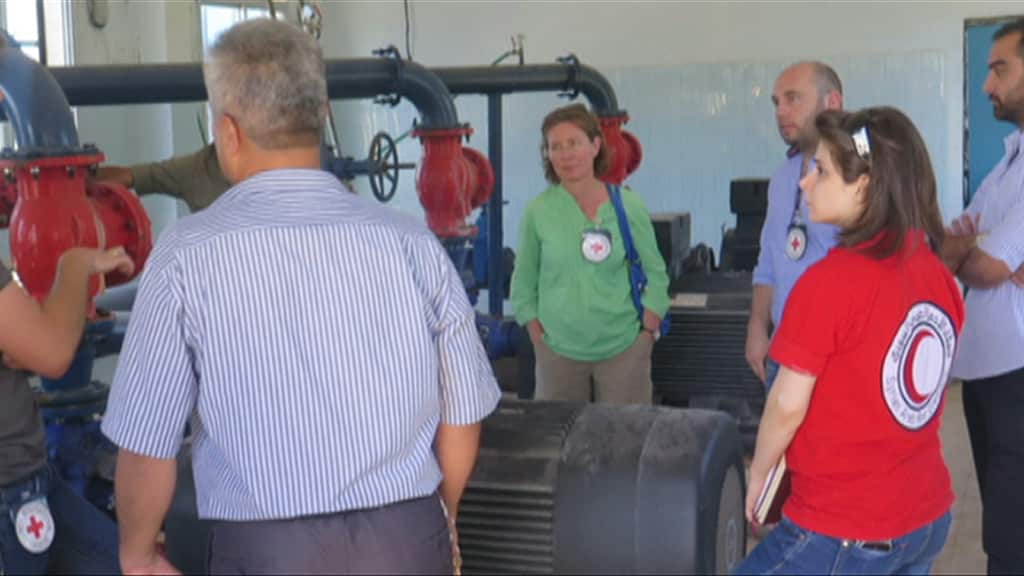
“I've been working with a lot of people who have been displaced. They've lost their homes, they've lost members of their families and I see need and I see an ability to help.
“They really appreciate that somebody chooses to come. Just the presence helps them feel that they're not alone or abandoned.”
With her two-year post coming to an end, Ms Davies is contemplating her next move. She said part of her would miss Syria, especially the people and the intriguing environment she’s come to call home.
“Sometimes in these situations, you see perhaps the worst of humanity but at the same time you also see people who make great sacrifices and you get to see the best parts of humanity as well.”
To help the millions of people affected by the conflict in Syria, you can make a tax-deductible donation to the Red Cross Syria Crisis Appeal.







