
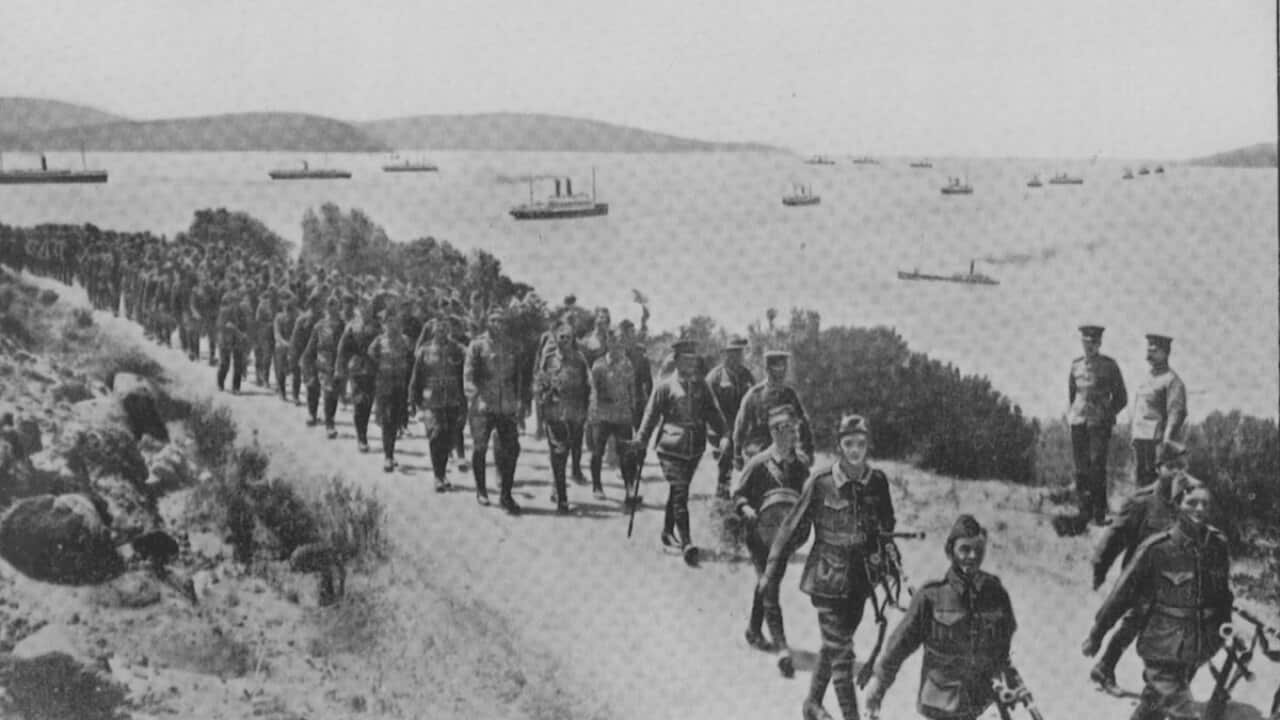
When more than 30,000 Australian and New Zealand troops gathered in the coastal West Australian city of Albany in late 1914, few of the general public knew anything about it.
There was a complete media blackout. Australia and New Zealand would only learn about it several weeks later when the troops were on their way to Egypt to begin their training.
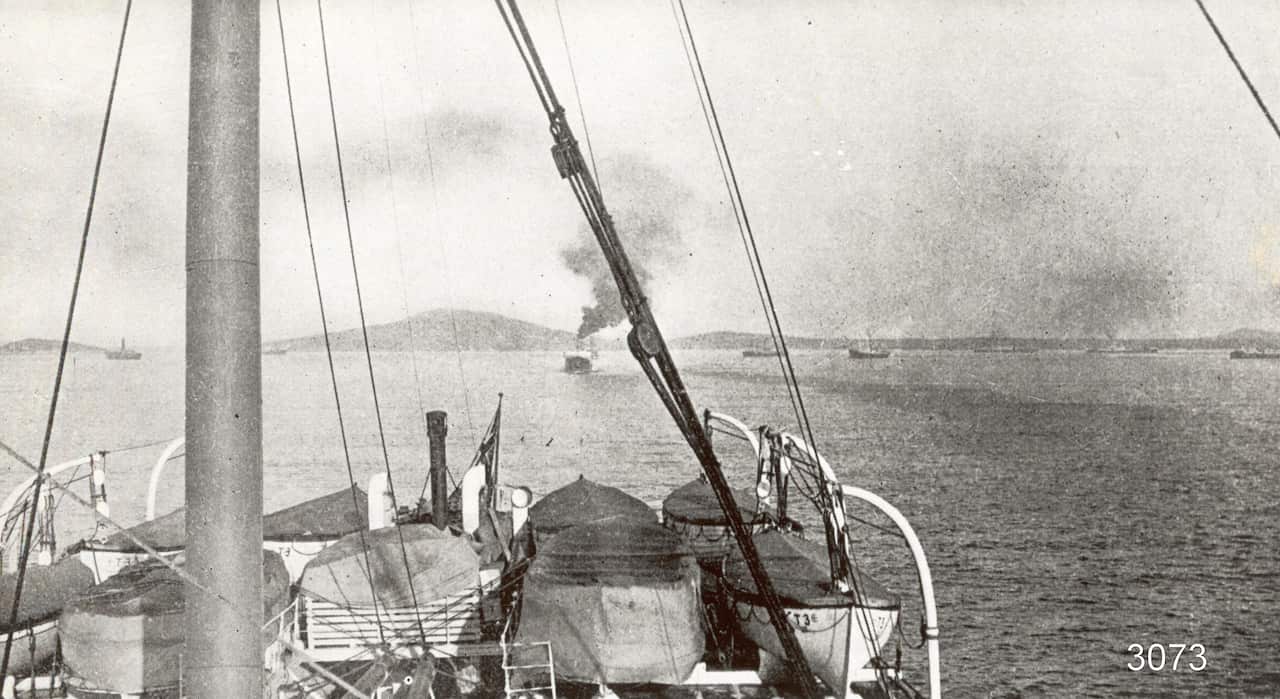
The soldiers had gathered in Albany in preparation to board 26 ships that would take them on a “great adventure” from which many would never return.
The sweeping coastline of Albany would be the last of Australia many of those young soldiers would ever see.
It’s long argued that the spirit of the Anzacs was forged in battle, particularly in the field of Gallipoli.
But another argument is building that the start of that Anzac spirit was sparked in Albany, when young men from around the then-fledgling nation of Australia came together with their Kiwi counterparts to ready themselves for a war the likes of which the world had never seen.
They didn't 'realise the horror' of war
One of them was 26-year-old grocer's assistant Edgar Foster from Victoria. His granddaughter Hamsa Warrener, originally from Victoria, lives in Albany.
"So my mum came down to visit a couple of years after we'd moved down and she said: 'do you realise your grandfather left to go to Gallipoli from Albany,'” Ms Warrener told SBS.
“I didn't realise, so we took a visit up to the Princess Royal Forts where all the history was kept and documented there and found the list of the ship that he was on, so it was pretty interesting."
“They don't actually realise the horror of what they're going to, but later on in his diary he talks about the awful sights that he's seen."
Hamsa Warrener said her grandfather took notes during his sea journey and part of the war.
"He's very understated, but one of the things that they talk about, and I've read it in a few of the other men's diaries, is that they're quite excited,” she said.
“They're young men going off on an adventure.
“They don't actually realise the horror of what they're going to, but later on in his diary he talks about the awful sights that he's seen."
Edgar Foster survived the war, including serving in Gallipoli, but tragically his only son Max would die in World War Two.
On Saturday November 1, Hamsa Warrener will be part of a crowd on one of the hills overlooking King George Sound when seven ships from the Australian, New Zealand and Japanese navies take part in a symbolic sea journey to remember the original convoy.
Also looking for a vantage spot will be 85-year-old Bill Rae.
"My father went to Gallipoli and I've got two uncles that went to Gallipoli and one of them won the distinguished flying cross."
“Well, we came down last Anzac day as well," he said. "“I marched and met up with some of the different chaps down here and it's just for well, more of less, for my father and my uncles."
In addition to the convoy of boats, there will be a troop march up and down Albany's main street, before a commemorative service at Peace Park, which lies next to Princess Royal Harbour.
The park is an area where many of the troops camped out 100 years ago before they left for the war.
Anzac Centre 'profoundly moving experience'
The weekend (November 1-2) will also mark the official opening of the $10.6 million National Anzac Centre.
The Centre will sit on Mount Clarence and overlook the King George Sound. It allows visitors the opportunity to "walk in the shoes” of one of 30 Australian and New Zealand soldiers, as well as a Turkish and German soldier.
“You go through all the various stages and after war, but I think it will be very hard to leave this centre unmoved."
"I do believe that this will be a profoundly moving experience,” the National Anzac Centre content director James Dexter said.
“It's not a large experience, it's only 400sqm, but packed into it is that whole story.
“Through these audio pens you can actually hear what they said from their diaries and their letters, and from these character cards you can actually become them.
“You go through all the various stages and after war, but I think it will be very hard to leave this centre unmoved."
As well as putting Albany on the historical map and cementing its place in Anzac history, the city is also hoping the predicted 60,000 visitors will become regular tourists.
“A lot of people wouldn’t have been here before,” Albany city mayor Dennis Wellington said.
“So it’s getting our wares out there and showing exactly what we can do and show how proud we are to be part of the Anzac story.”