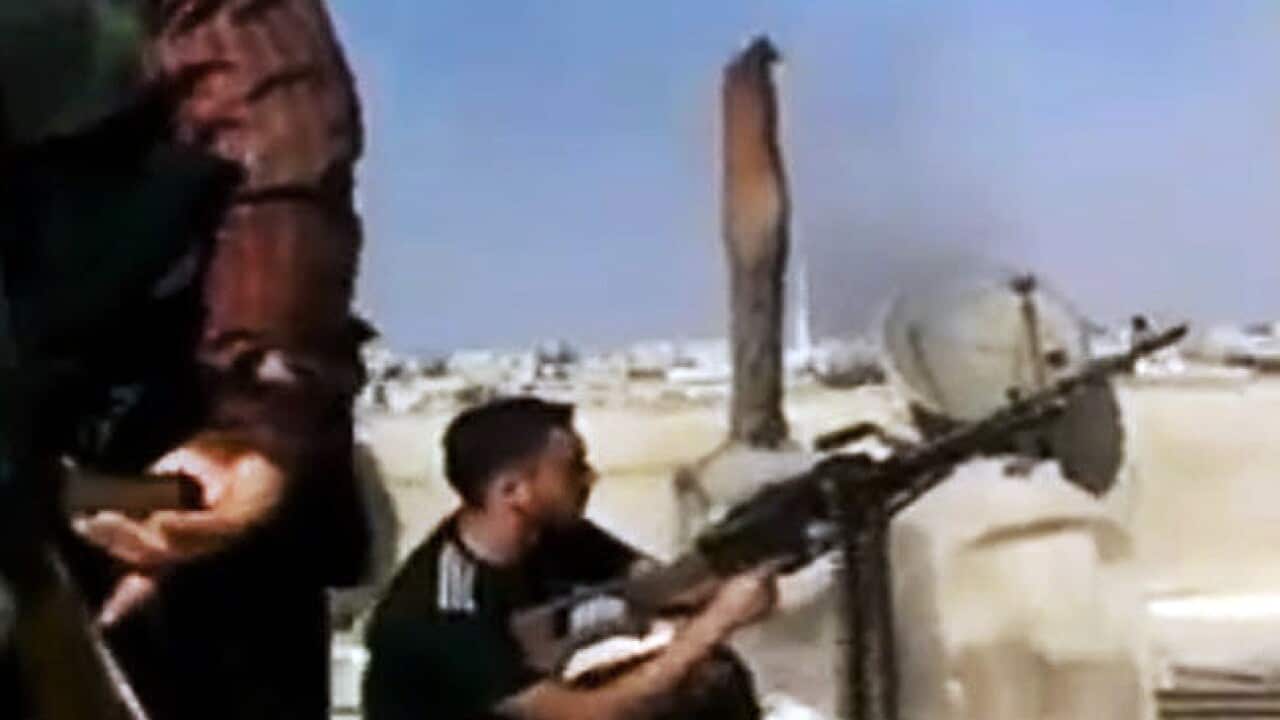
The battle for Syria's second city, Aleppo, is a crucial fight that could determine the direction of the uprising against President Bashar al-Assad, observers say.
Troops and rebel fighters are massing in and around the city, and Al-Watan newspaper, which is close to the regime, pulled no punches describing the fighting in the northern commercial hub. "Aleppo: the mother of all battles," it declared.
"It's an extremely important battle for the two sides," said Ignace Leverrier, a former diplomat and author of the blog An Eye on Syria. "For the regime, the city represents an important centre because it's a commercial town where it has many allies, particularly in the merchant class."
For the rebels, Aleppo is "the key to northern Syria and to the possibility of creating a safe zone", he added. Rebels could try to "replicate in a way the Libya model, with Benghazi".
The eastern city of Benghazi, which fell early in the Libya uprising, became a base for rebels as they battled to overthrow the Libyan regime. In particular, Leverrier said, Aleppo could provide refuge for the families of deserting soldiers.
News that makes sense
Your trusted source for staying up-to-date with the world around you. Get free daily news updates and analysis, straight to your inbox.
"There are many soldiers who want to desert but haven't been able to because they are afraid of reprisals against their families," he said.
Riad Kahwaji, director of the Institute for Near East and Gulf Military Analysis, called Aleppo "vital" for both sides. He also raised the prospect of a rebel "safe zone" with Aleppo at its heart.
"If you have Aleppo then virtually you have Idlib," he said of the region just southwest of Aleppo, much of which has been claimed by the rebels.
"So you're going to have all that enclave becoming a safe zone for the rebels, from where they will be able to organise, train, get all the arms needed for a major onslaught on the regime forces."
The regime recognises the danger of a potential rebel stronghold, Kahwaji said, and will battle fiercely to prevent it.
"Aleppo remains a centre of gravity," he said. "Its collapse will signal a strong blow to the regime and it will also testify to the growing strength of the revolution in Syria."
Salman Shaikh, director of the Brookings Institution's Doha Centre, said the rebels had already dealt the regime a blow by contesting the city. "It's done a huge amount of damage to the regime," he said.
"It's unthinkable that this would have been the case two or three weeks ago."
He said the regime would commit major firepower to the battle in a bid to deny the rebels a stronghold base.
"I do expect the regime to be using great force, and unleashing all its arsenal if it needs to," he said.
"If Aleppo is declared a free city like Benghazi was, then we will be moving towards an end state. But I think there's still a long battle ahead."
Home to 2.5 million people, Aleppo had been largely excluded from violence, but became a new front in the fighting after the regime redeployed forces to Damascus in a bid to regain rebel-held districts in the capital.
Rebels took advantage of the relative gap in the regime's defences to make a play for control in Aleppo, sparking fierce clashes that prompted both sides to call in reinforcements.
On Thursday, a security source said the regime was sending special forces to the city, along with convoys of troops already dispatched northwards. He said the rebels had also sent between 1500 and 2000 fighters from the surrounding area into the city, where some 2000 were already engaged in battle.
The experts said neither the regime nor the rebels could expect an easy victory. Kahwaji said troops who had been ambushed by rebels on the way to Aleppo were arriving "with broken morale".
But Leverrier pointed out that the regime can still count on some support inside the city, "particularly among certain tribes that were rewarded for having helped the regime in its fight against the Muslim Brotherhood in the 1980s".
A decisive factor, he said, could be the Kurdish community, which makes up 20 per cent of the city.
"There have been deep divisions among the Kurds," he said. "If they go with the rebels the regime will be in real difficulty. If they go with the regime, it will be hard for the rebels to win."







