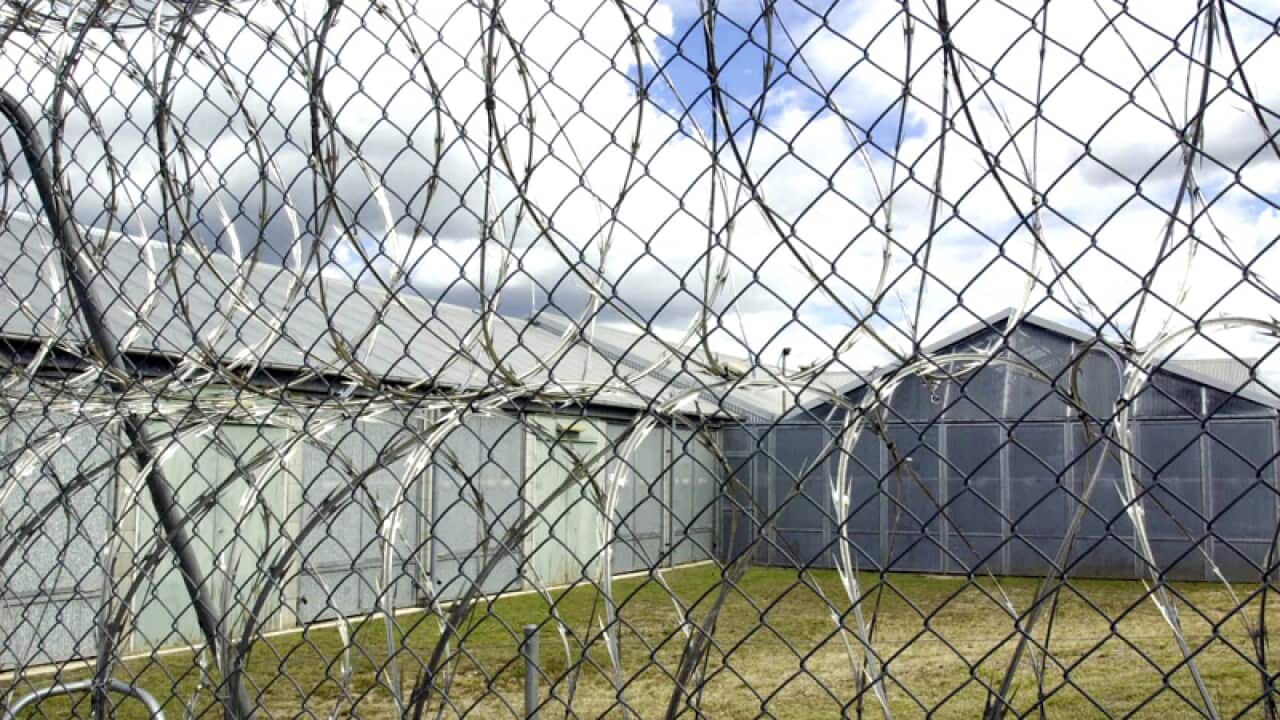
New research suggests that almost half people released from prison became homeless.
The study, commissioned by the Department of Social Services and conducted by the Melbourne Institute, surveyed more than 1400 people receiving Centerlink payments who were homeless or at risk of homelessness, over a 30-month period.
Contributing author Dr Julie Moschion told SBS the findings showed a link between prison time and homelessness.
"We found that 42 per cent of people released from prison, juvenile detention or remand in the past six months were homeless," she said.
The study also found that the longer people were incarcerated, the longer they remained homeless.
"Those who spent more than two months incarcerated over the last three years were homeless for about 30 per cent of the survey period…compared to only 13 per cent of the survey period for those who spent less than two months incarcerated."
Related reading

Jump in NSW prison population
Dr Moschion said the study could not determine whether increased sentencing rates would lead to more homelessness but said the findings suggested "there would be a further role for policy markers to try and prevent those cycles between homelessness and incarceration."
The study found that in general, rates of homelessness were higher for people who had experienced physical and or sexual violence.
Indigenous people were more likely to become homeless than non-Indigenous people and men were more likely to become homeless than women.
The study found that a lot of people who became homeless did not stay homeless for long periods of time, with 44 per cent of those surveyed being homeless for less than six months. However multiple spells of homelessness were found to be common.
Most respondents attributed their homelessness to a family breakdown, Dr Moschion said.
The survey identified three types of homelessness: Primary (sleeping rough), secondary (moving between temporary accommodation, often at the house of family members or friends) and tertiary (boarding houses).
Share


