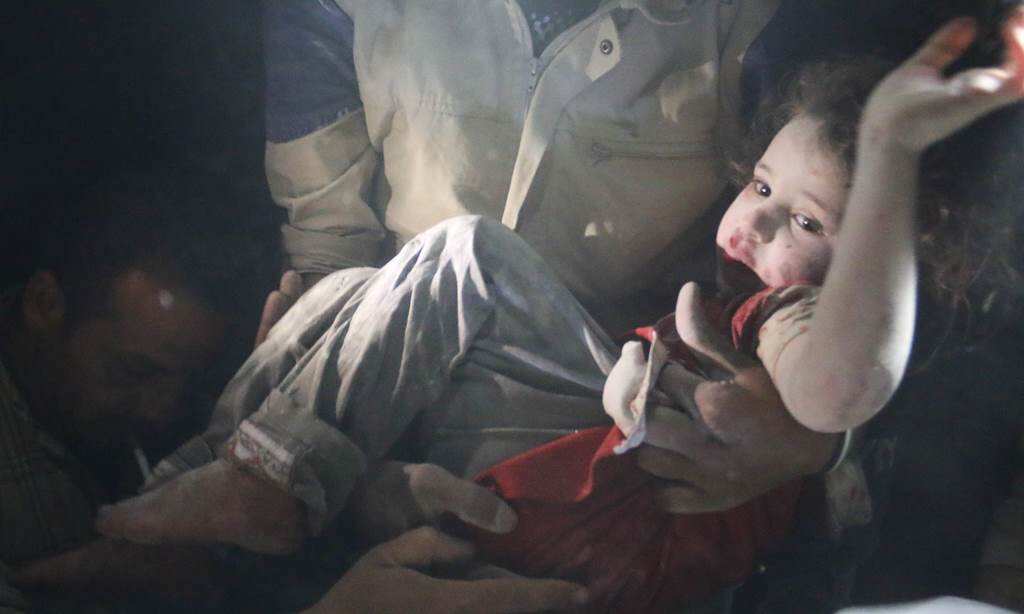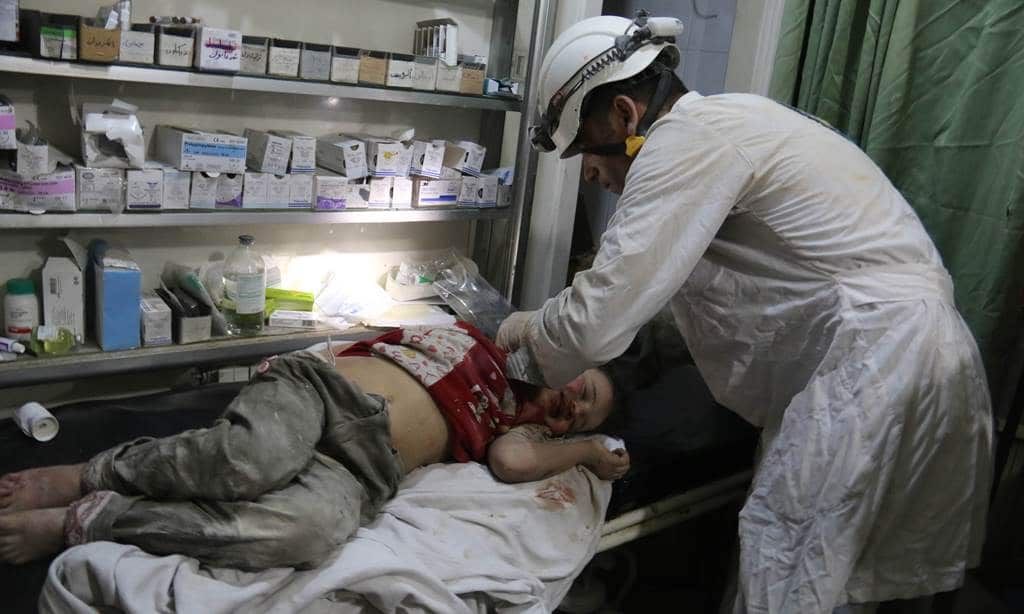
An elderly man lay on his back, screeching in pain as blood dripped off the side of the stretcher onto the floor.
A teenage boy, dressed in scrubs and green sandals, carefully bandaged the man’s broken leg after he was injured in an air strike in the opposition-held area of Aleppo.
The sixteen-year-old former school student is now a medical assistant at one of Aleppo’s few remaining hospitals – a sign of just how desperate the situation has become.
"I want to be like the older doctors – helping and treating people here," he said.
"I have stayed in Aleppo while my family has gone to Turkey. My father calls me everyday to make sure I am safe."
News that makes sense
Your trusted source for staying up-to-date with the world around you. Get free daily news updates and analysis, straight to your inbox.
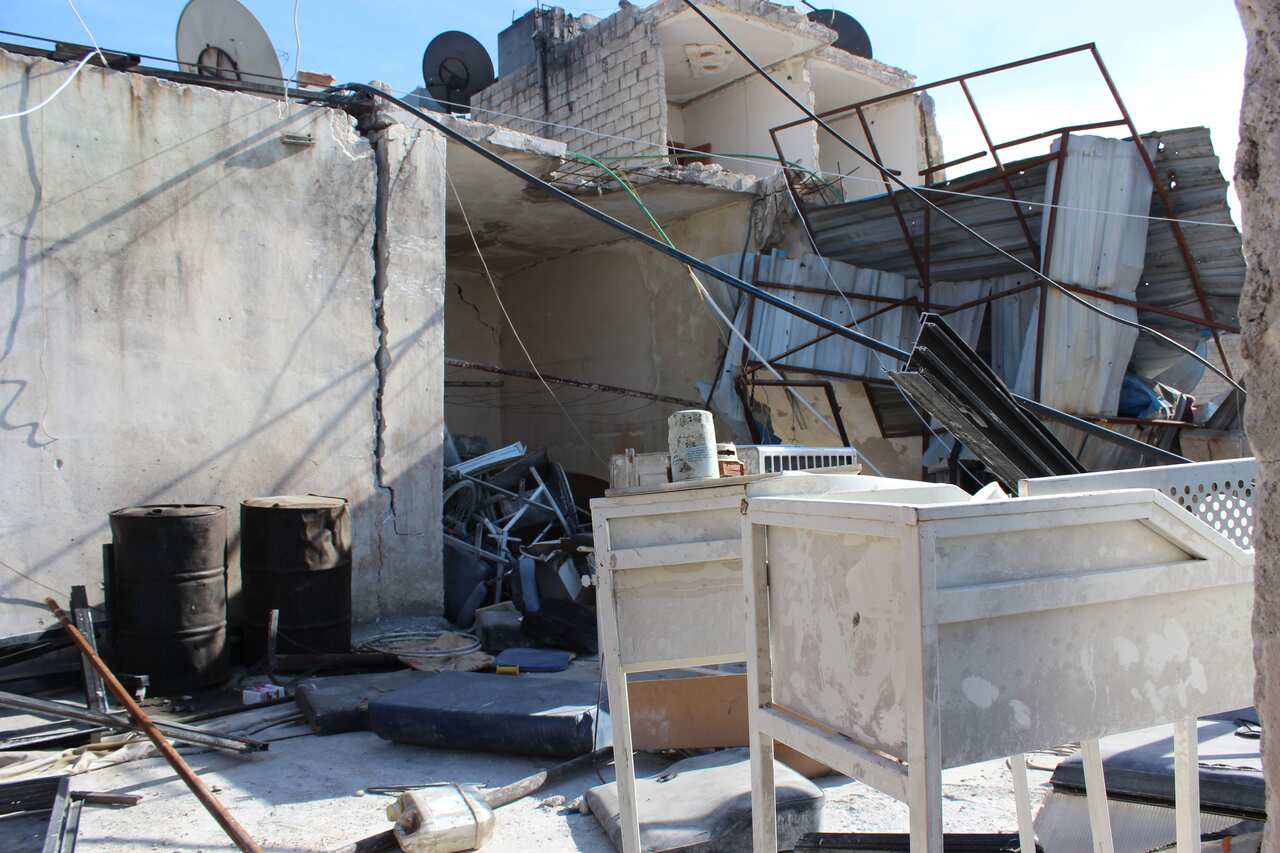
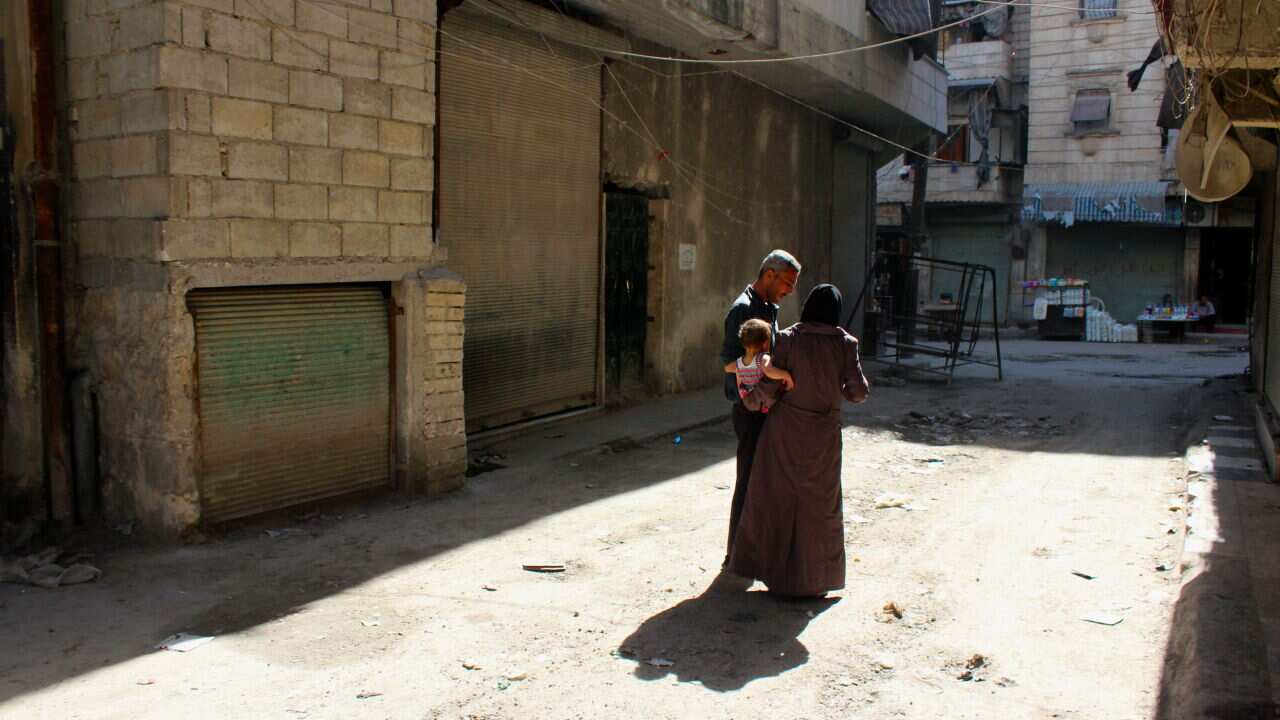
Over the last three years, Syria has witnessed the vicious destruction of its healthcare system.
In the process, along with tens of thousands of civilian casualties, hundreds of doctors, nurses, dentists, pharmacists and paramedics have lost their lives. Thousands have fled to safer ground in countries including Turkey, Saudi Arabia, Jordan and the US.
Of the 6000 doctors practicing in Aleppo – the largest city in Syria with a pre-war population of 2.5 million – only 33 remain, according to local doctors on the ground.
As result, former medical and engineering students, teenagers and defected soldiers have been propelled into jobs with limited, or no experience.
Back at the hospital, sandbags have replaced windows, and surround the entire building. This building has the victim of multiple targeted attacks by government forces, like many other hospitals in Aleppo.
"It is a doctor’s duty to stay. If the most educated people are leaving, then what hope have we got? I don’t know what will happen, whether we will win or lose, but we are trying and we will try until the end."
Radio is considered the only safe form of communication among staff at other hospitals and doctors use fake names in attempt to conceal their identity.
Mohammed is a surgeon, on call 24 hours a day, seven days a week.
He shares a small room at the hospital with several other doctors.
There’s even mattresses on the floor outside the two operating rooms where sleep deprived doctors, in between operations, try to get some much-needed shut eye.
"Every day is like this," he said, after numerous patients, including two children, were brought in for emergency surgery following an air strike.
"Some days I do 13 operations. I have no choice but to stay. There’s so few of us left. It’s my country, my city, how can I leave?"
Mohammed, along with the other doctors here, has moved his family to safer ground. He visits his wife and children in Lebanon every two months.
Other doctors haven’t seen their families for more than six months.
"It is not my place to judge the doctors who have left, but how can they leave? People here are struggling, dying. It is shameful to leave," one of Aleppo’s last remaining dentists said.
"You know, I might not do the most important work, but I’m not leaving my city. If a pregnant woman comes in with an abscess, then she needs urgent treatment.
"It is a doctor’s duty to stay. If the most educated people are leaving, then what hope have we got? I don’t know what will happen, whether we will win or lose, but we are trying and we will try until the end."
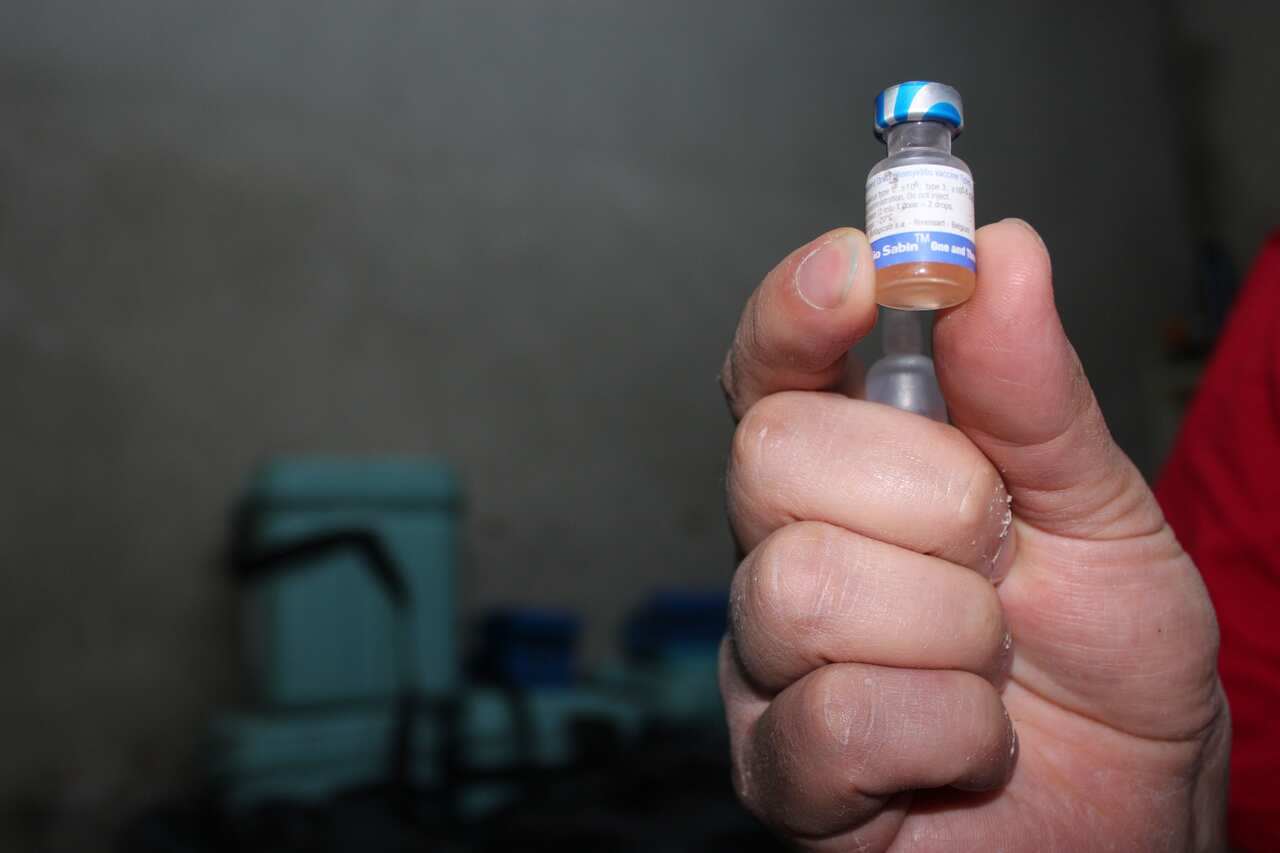
Doctors said many diseases were rampant in the city, including tuberculosis, leishmaniasis and polio, but a lack of medicine and medical equipment for treating this, along with war trauma, was hampering their efforts.
"We have a severe shortage of medicine. The aid organisations cover 20 per cent of what is needed here," biochemist Abdul said in a rundown factory where some medical supplies are kept.
"We do not have enough insulin or anesthesia. We can’t buy anesthesia from other countries without permission of the government. All the people part of the revolution, did not want this."