
Prime Minister Anthony Albanese has bowed to pressure and announced a royal commission into the Bondi terror attack.
After weeks of rebuffing growing calls for a federal inquiry, Albanese announced a Commonwealth royal commission on Thursday afternoon following a cabinet meeting. It will be focused on antisemitism and social cohesion.
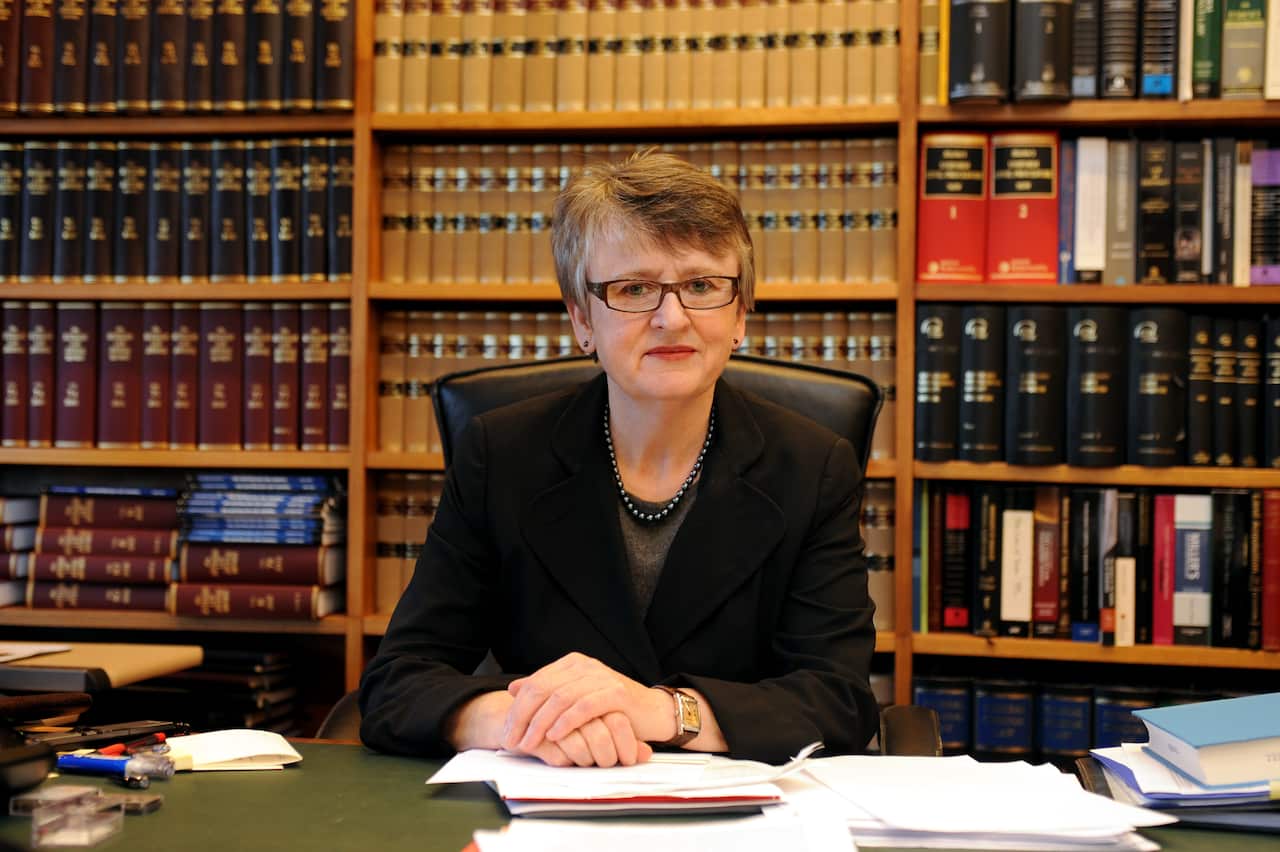
Former High Court Justice Virginia Bell will lead the inquiry, with Albanese confident she will examine the "complex issues ahead with impartiality and precision", amid criticism from some members of the Jewish community over her appointment.
Opposition leader Sussan Ley said the announcement "finally" heeds the pleas of "the families of victims, the Jewish community and the wider community", as she accused Albanese of acting only out of political self-interest.
Standing beside Home Affairs Minister Tony Burke, antisemitism envoy Jillian Segal and Attorney-General Michelle Rowland, Albanese said that, following a period of reflection, he had decided a royal commission was "essential".
News that makes sense
Your trusted source for staying up-to-date with the world around you. Get free daily news updates and analysis, straight to your inbox.
Albanese told reporters: "I've repeatedly said that our government's priority is to promote unity and social cohesion, and this is what Australia needs to heal, to learn, to come together in a spirit of national unity."
Ley said the decision was "not an act of leadership, it is an admission that his litany of excuses have collapsed".
"Anthony Albanese relented, not because he believed a Commonwealth royal commission was the right thing to do, but because he was forced to do so by the Australian people," she said in a statement.
"The pleas of the families of victims, the Jewish community and the wider community have finally been heeded, but as always, Anthony Albanese has only acted when he judged it was in his political interest. His political interest is the only thing that guides him, never the national interest.
"Leadership requires action, and this prime minister refused to act until resistance became impossible."
Commission will focus on four areas
Albanese said the commission would focus on four key areas: tackling antisemitism, including its key drivers; assisting agencies to respond to antisemitism; examining the circumstances of the Bondi terror attack; and strengthening social cohesion.
"A royal commission is not the beginning or the end of what Australia must do to eradicate antisemitism or protect ourselves from terrorism or strengthen our social cohesion," he said.
"That's an ongoing national effort for all of us as individuals, but also institutions, because an attack on Jewish Australians is an attack on all Australians."
The commission wouldn't be a "drawn-out process", Albanese said, adding that Bell would be asked to report back by 14 December 2026, exactly one year after the Bondi attack.
Albanese clarified that the timeline of the commission had been "curtailed" by rolling in the Richardson review, which is set to report in April and will examine Australia's intelligence agencies and their response to the attack.
NSW Premier Chris Minns has since announced that, given the establishment of a Commonwealth royal commission, a previously announced state-level royal commission would not proceed.
Minns added that NSW would "fully cooperate" with the federal inquiry.
When asked about the cost of the inquiry, Albanese said it would be revealed in the May budget.
He said the inquiry would build on immediate actions, including fast-tracking tougher gun laws, additional resources for law enforcement agencies to help prevent further attacks and anticipated new laws to criminalise hate speech.
The massacre on Bondi Beach is the worst terror attack in Australian history, with 15 people killed and over 40 injured.
The attack prompted calls for a national response from the Opposition, independents, former federal ministers, business leaders, public figures and more than 60 Australian sports stars, as well as victims' families and sections of the broader Jewish community.
However, on Tuesday, he noticeably softened his language, opening the door to the possibility of a royal commission.
Antisemitism envoy Jillian Segal praised the prime minister for listening to community calls, saying it "does reflect the seriousness of the growth in antisemitism and its impact on our country".
"The focus will remain on prevention, education, institutional accountability and community, and I think Australians expect truth about what happened at Bondi and the root causes," she said.
"They expect sustained action to address the conditions that allowed such hatred to take root, and both must proceed together. So I will work very closely, where appropriate, with the commissioner."
Albanese, Burke push back on Ley's proposal
Ley has been calling for a federal royal commission for weeks, releasing a draft terms of reference a week after the Bondi attack.
It included having three commissioners, with at least one member of the Jewish community, alongside a senior judicial member and an expert in national security.
Burke said the dozens of recommendations would have delayed an outcome, with Labor's terms of reference allowing the government to "act quickly on national security".
"Some of the terms of reference that had been floated around, in particular from the Opposition in recent weeks, would have left something that gave us no answers for a very long time," Burke said.
"And also would have failed to have the priority of social cohesion in the structure that's been given here."
"If we had adopted the 73-point proposal that was put forward by the opposition, we would have been many years down the track before we received any practical outcomes," Albanese added.
Ley said the Opposition would review Labor's announced terms of reference "in consultation with the Jewish community and national security experts, to ensure no stone is left unturned and that every issue that must be addressed can be addressed".
She also criticised the decision to appoint a single commissioner, saying it was "inadequate for an inquiry of this scale, complexity and importance".
For the latest from SBS News, download our app and subscribe to our newsletter.







