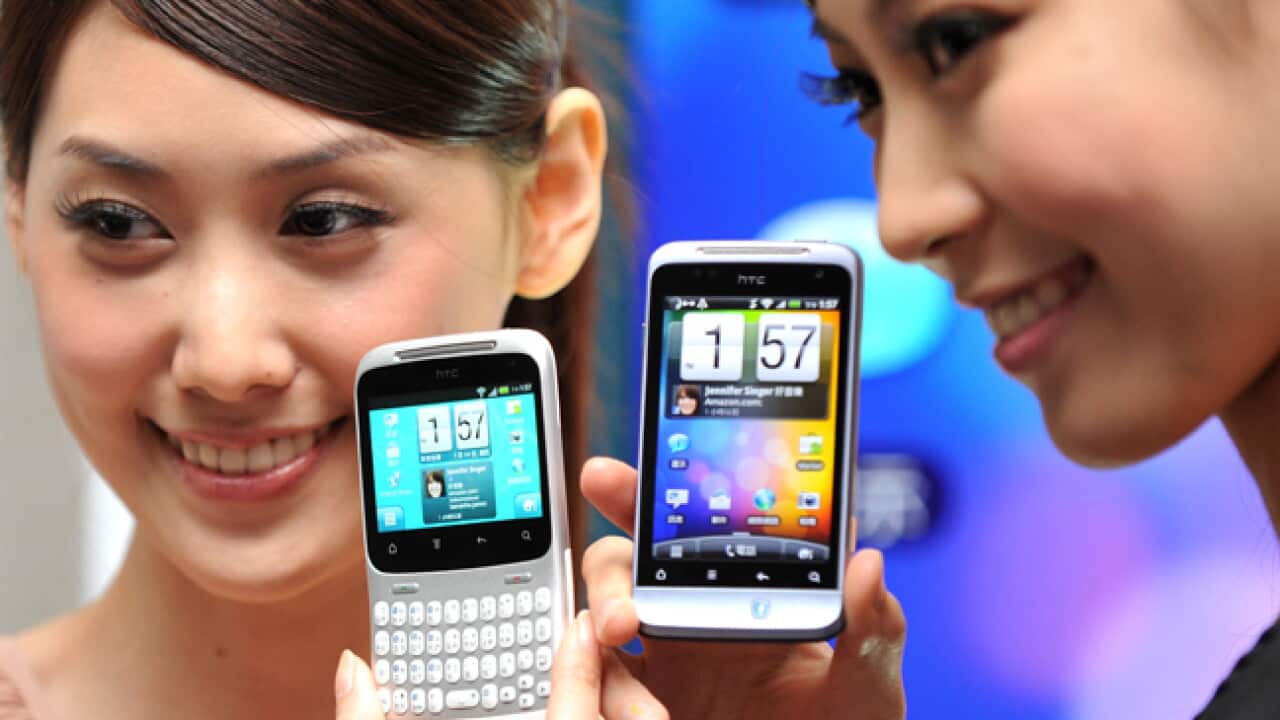
The International Trade Commission gave Apple part of what it wanted in a "limited exclusion order" directing that HTC stop bringing offending smartphones into the United States effective on April 19, 2012.
Taiwan-based HTC expected to be able to adapt the Android-powered handsets to sidestep the trouble with the single patent before the deadline.
News that makes sense
Your trusted source for staying up-to-date with the world around you. Get free daily news updates and analysis, straight to your inbox.
The move was likely to come at the cost of removing some features smartphone users enjoy and came as part of an ongoing campaign by Apple to cobble the momentum of smartphones powered by Google's Android software.
The patent affects functions such as touching a smartphone screen to follow a Web link or call a phone number displayed on a page.
The decision was deemed final and sent for review by the staff of US President Barack Obama, who was unlikely to overrule it.
The final order came with the commission reversing a prior decision and ruling in favour of HTC on patented technology that would have been harder to design out of handsets.
TECH WARS
Technology giants have taken to routinely pounding one another with patent lawsuits. Apple has accused HTC and other smartphone makers using Google's Android mobile operating system of infringing on Apple-held patents.
HTC in October ramped up its patent war with Apple with ammunition provided by California-based Google, the force behind Android mobile software.
Google transferred to HTC a set of patents that the company used to amend intellectual property infringement complaints against iPhone maker Apple in the United States.
Microsoft has also accused Android phones of using its patented technology, with litigation or licensing deals between companies being the selection of outcomes.
HTC in October was dealt a setback in its patent infringement claim against Apple, after an initial ruling by a US trade authority sided with the California-based tech giant.
A judge at the Washington-based ITC made an "initial determination" that Apple had committed "no violation" of patent law.







