
In Brief
- Iraq has ended a 40-year wait for World Cup qualification under coach Graham Arnold.
- Arnold returned to Sydney to a jubilant crowd, who waved flags and cheered his historic achievement.
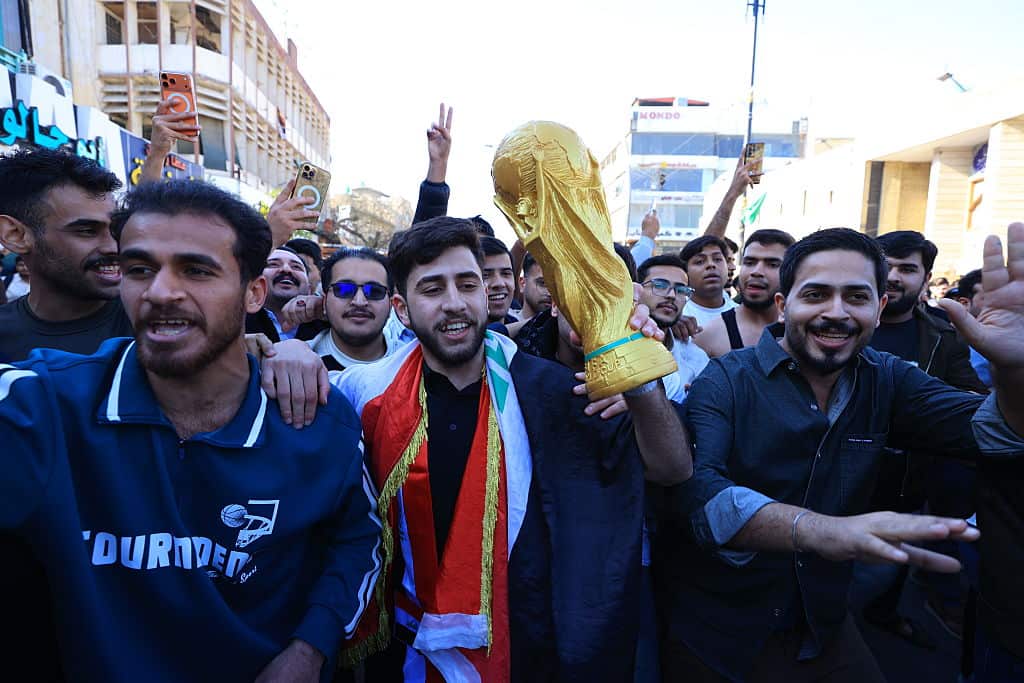
Fireworks and gunfire followed the final whistle in Baghdad as the Lions of Mesopotamia sealed a 2–1 win over Bolivia last week, ending Iraq's 40-year absence from the FIFA World Cup.
Across the country, people gathered wherever they could watch — streets, shopfronts and open squares — holding on through the closing minutes of the play-off final in Mexico before erupting into celebration.
Days later, there were again celebrations — but this time, half a world away.
As former Socceroos coach Graham Arnold's plane touched down in Australia, festivities broke out in the arrivals terminal of Sydney International Airport.
Hundreds from Australia's Iraqi community had gathered along the barriers with flags in hand, waiting eagerly for his arrival. Celebratory Arabic music and rhythmic drumbeats echoed through the terminal, cutting through the usual airport din.
News that makes sense
Your trusted source for staying up-to-date with the world around you. Get free daily news updates and analysis, straight to your inbox.
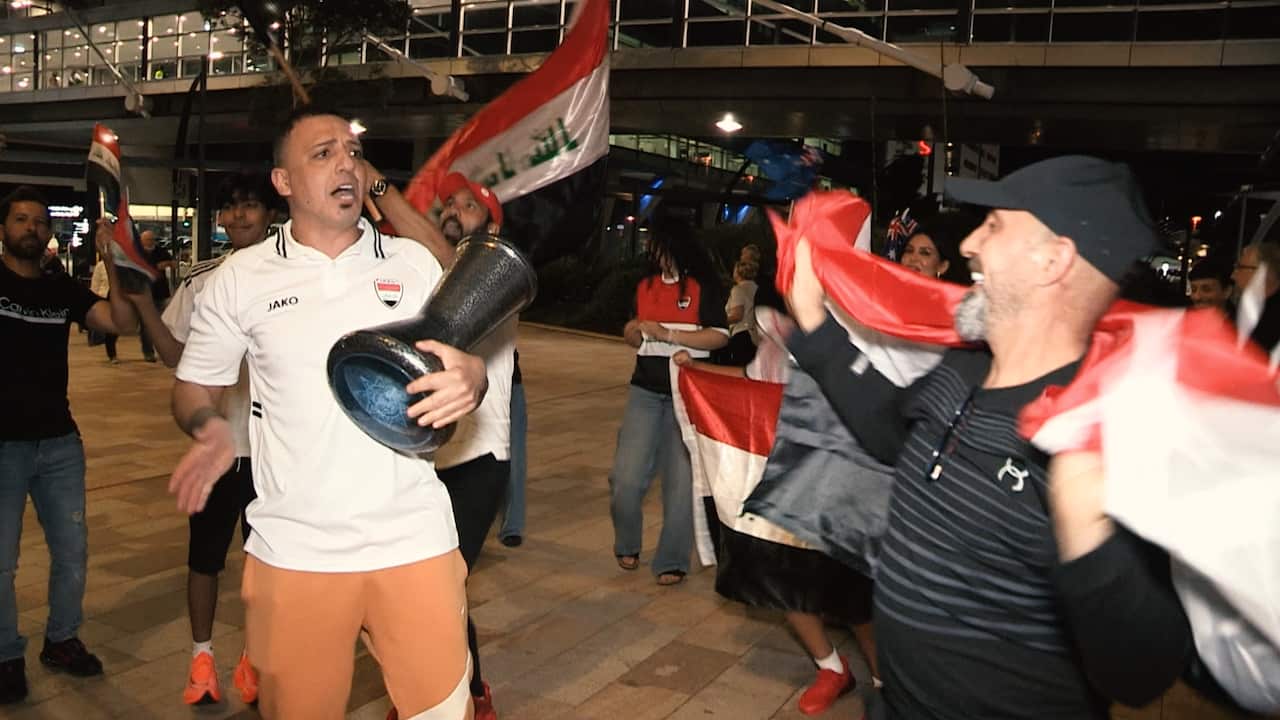
When Arnold finally stepped through the doors on Sunday night, the crowd tightened, people calling out and extending their hands toward him as he moved through.
"I didn't expect this here in Australia, obviously in Iraq, but it's incredible," Arnold told SBS Arabic, his voice strained against the noise of celebration in the terminal.
"I want to apologise to everyone in Iraq that I couldn't go back there to celebrate, because obviously the airspace shut down, everything's shut, but seeing this here is amazing.
"I'm just very, very proud of the players and what they did."
In the crowd, there was an overwhelming sense of gratitude for a coach who has restored belief and ended a long World Cup drought. The last and until now, only, time Iraq was in the World Cup was in Mexico in 1986.
One fan said: "For 40 years we didn't make it to the World Cup. It was a very hard time for us, and he came in to save us like the hero he is. I would love to thank him. We all are here to thank him with our true hearts."
Another added: "To Graham Arnold, I want to say thank you very much. You fulfilled not only the team's dream after 40 years of not making it to the World Cup, but every Iraqi in Iraq and outside. We've all made it to the World Cup together."
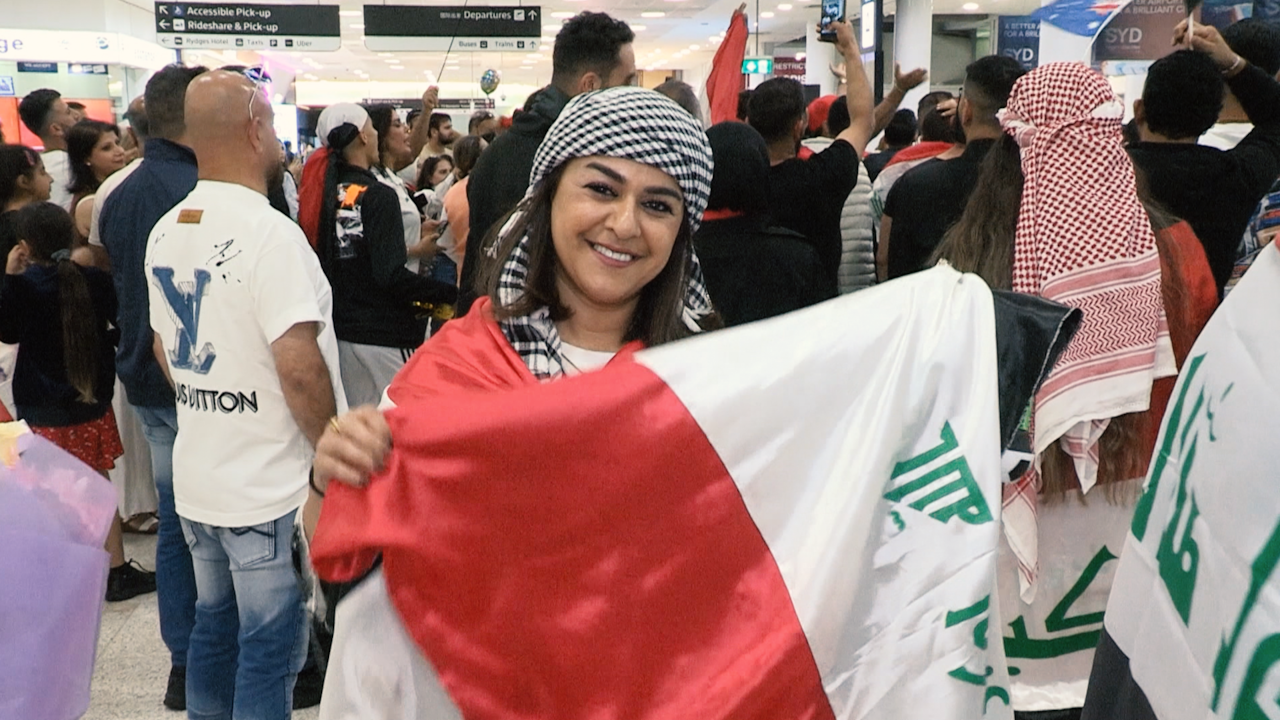
A third said: "Massive thank you to Graham Arnold. For what he has done to the Iraqi national team, it's been a 40-year wait. We thank him so much. It's the great Aussie spirit, along with the fighting spirit of the Iraqi players. I see it as a magical combination, basically, to get the team over the line."
The path to qualification
Iraq's achievement is shaped as much by the conditions surrounding it as by the result itself.
Having made last week's intercontinental play-off in Monterrey, Mexico, getting to the match became a big problem.
Airspace closures, grounded flights and shuttered embassies due to the war in the Middle East complicated the squad's ability to assemble. Arnold was stranded in the United Arab Emirates before reaching Dubai, while players based across Iraq and neighbouring countries faced similar delays.
With limited options, the team regrouped in Jordan before travelling on a charter flight, a journey that took more than three days and included 20 hours in the air.
Preparation time was reduced. Key players arrived without consistent match minutes. Others were ruled out through injury.
But the team prevailed, with Aymen Hussein scoring the winner in the 53rd minute after Bolivia had drawn level in the 24th.
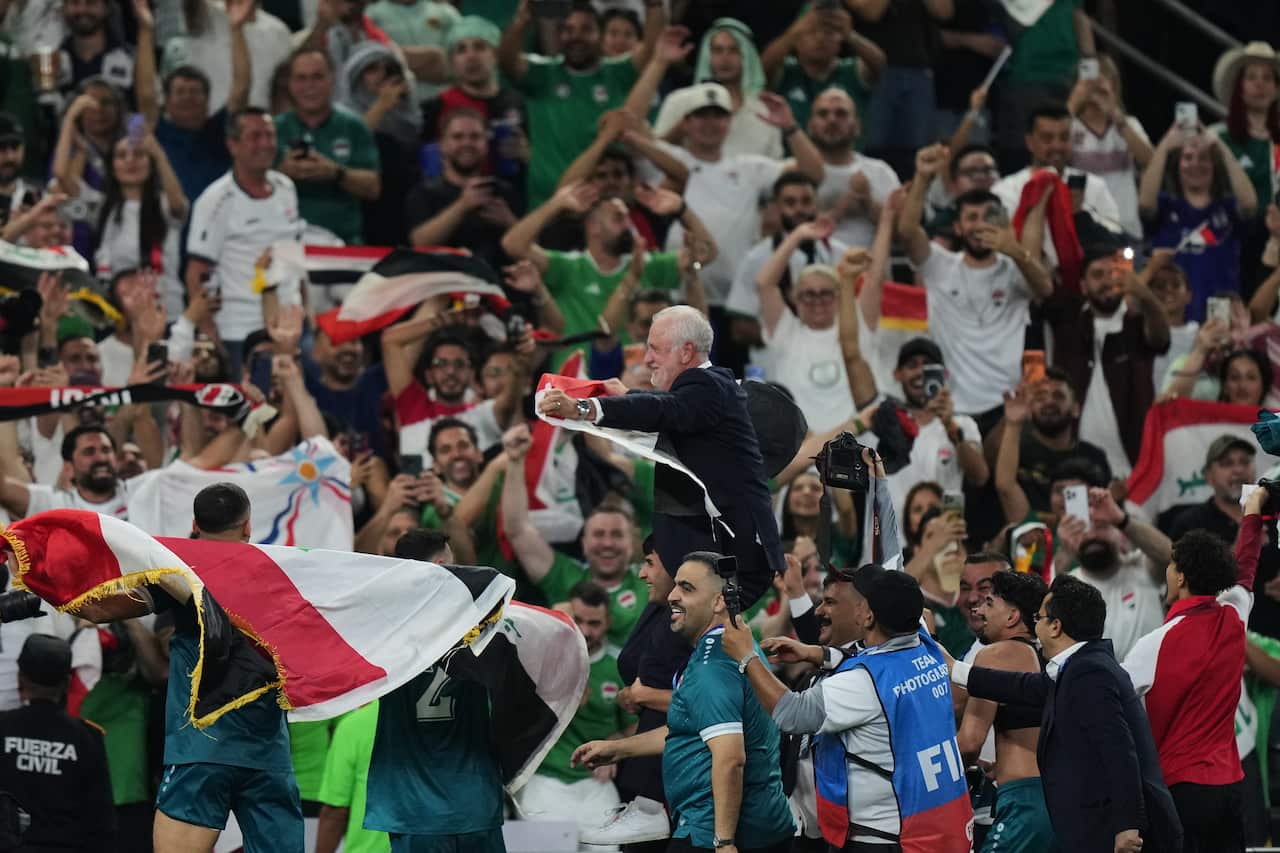
At the final whistle, there was pandemonium.
Mohannad Ali Kadhim threw his head back and shouted, while goalkeeper Ahmed Basil Al-Fadhli dropped face down onto the turf. Arnold was surrounded near the touchline, then lifted onto his players' shoulders, an Iraqi flag placed in his hand as he was carried toward the stands.
Beyond the stadium, the response unfolded just as quickly.
In Baghdad, Basra, Mosul and Erbil, people flooded into the streets, gathering around cars, televisions and public screens. Videos showed crowds climbing onto barriers and standing shoulder to shoulder, watching the final moments together before erupting as the result was confirmed and Iraq became the 48th and final team to qualify for this year's World Cup.
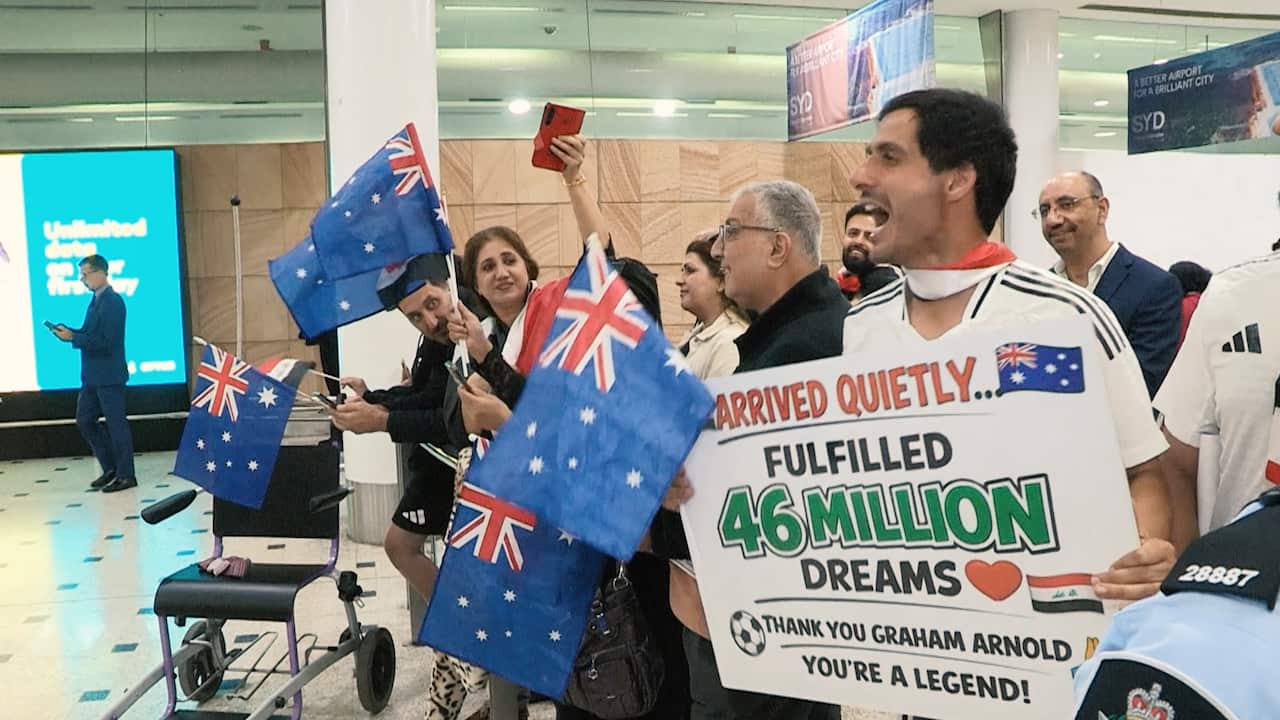
"10 months have been tough, but been very enjoyable," Arnold said.
Arnold steered the Socceroos to the Round of 16 at the World Cup in Qatar in 2022 and is now the first Australian men's coach to take two separate teams to the FIFA World Cup.
What comes next
Attention now turns to the World Cup itself, where Iraq will face France, Senegal and Norway in the group stage.
Arnold said the campaign so far was driven by the players' resolve under pressure.
"I must congratulate the players who played with real Iraqi mentality, fighting and putting their bodies on the line and that's why we won the game," he said after the victory on 1 April Australian time.
"I am so happy that we've made 46 million people happy, and especially with what's going on in the Middle East at the moment."
— This story was produced in collaboration with SBS Arabic.
For the latest from SBS News, download our app and subscribe to our newsletter'







