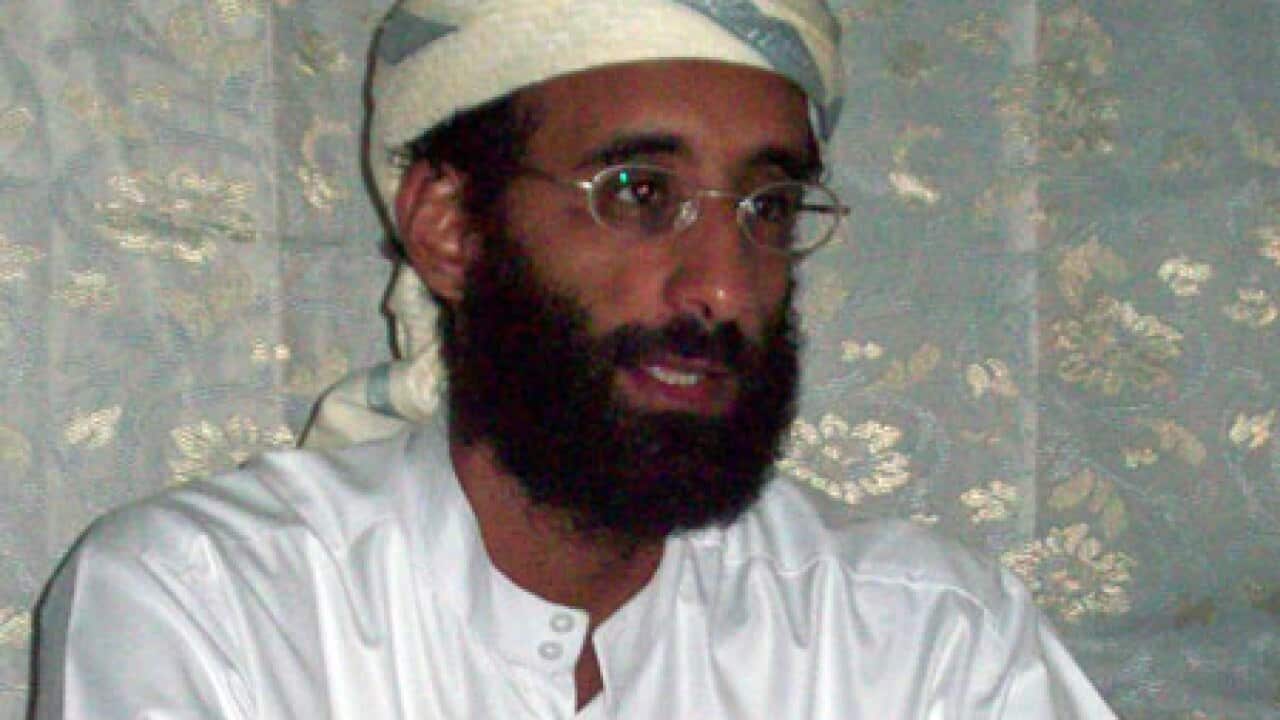
It is understood to have as its core goal the removal of Western influence over Muslim countries, including the overthrow of secular regimes in favour of fundamentalist Islamic regimes.
The US Council on Foreign Relations (CFR) reports that al Qaeda found a haven in Taliban-controlled Afghanistan, but fled eastwards over the porous border with Pakistan following the US-led invasion after the September 11 attacks on the US in 2001.
News that makes sense
Your trusted source for staying up-to-date with the world around you. Get free daily news updates and analysis, straight to your inbox.
Its origins lie in the Soviet occupation of Afghanistan when thousands of fighters under the international brigade of mujahadeen were retrained and financed by the wealthy Saudi businessman Osama Bin Laden, as well as Palestinian religious scholar Abdullah Azzam, CFR reports.
Prior to this, Islamic scholars such as the Egyptian Sayyid Qutb are said to have had a big influence on future al Qaeda 'leaders' including Anwar al Awlaki.
Awlaki later reportedly became a mentor to Osama Bin Laden. Bin Laden is believed to have been indoctrinated in the Wahhabi tradition - a conservative Saudi Sunni Muslim reform movement which rejects innovation in Islamic thought.
Targeted attacks and assassinations on suspected al Qaeda figureheads continued throughout the noughties, but affiliated groups are found around the world from North Africa to South East Asia.
Many analysts have said that there is no true 'head' of al Qaeda, adding to the difficulty of combating such an operation.
An exact organisational chart is believed to be rejected in favour of messages of encouragement, often broadcast over the internet in an characteristic embracing of new technologies.
Activities are frequently ascribed to it, as opposed to being claimed by any such group under the banner of al Qaeda, leading critics of US policy to frequently question its existence.
Pakistani cities were reportedly used as bases throughout the nineties despite Pakistan's continuing role as a nominal US ally. News that Osama Bin Laden was killed in Islamabad is likely to have repercussions for Pakistani-US relations.







