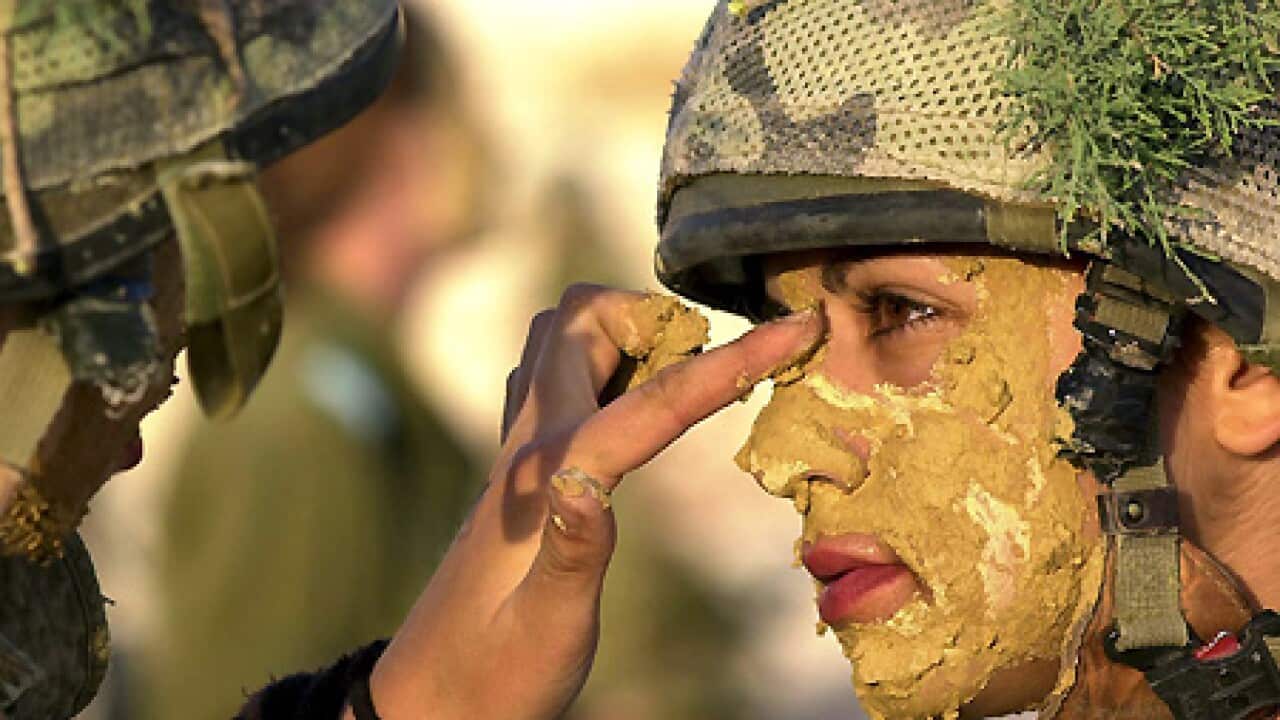
There are over 10,000 women serving in Australia's defence force.
In the navy, women make up 18% of members, while they make up around 17% of the air force and 12% of the army.
Women are excluded from serving combat roles in combat units, including infantry, armour, and artillery.
News that makes sense
Your trusted source for staying up-to-date with the world around you. Get free daily news updates and analysis, straight to your inbox.
They can serve in combat units – but only in non-combat roles.
Women in the military elsewhere
A few nations allow women in combat roles, including Canada, New Zealand, the Netherlands, Germany, Israel, Pakistan and the United States:
Canada: In 1987 Canada began to integrate women into active combat units and naval vessels. That same year, its Air Force opened the role of fighter pilot to women.
New Zealand: All occupations within the New Zealand Defence Force are now open to women.
The Netherlands: In 1979 the Dutch military was integrated, with no formal restrictions on women serving combat duty. In practice, Dutch women in the military are assigned to non-combat roles, such as clerical and nursing work.
Germany: Women were admitted into combat units of the German armed forces for the first time in 2001 after a female electronics operative took a case to the European Court of Justice and won the right to serve in fighting units alongside men.
Israel: Since the Israeli Defence Force decided to conscript female soldiers in combat infantry units, hundreds of women have been recruited for women's platoons in the Israeli military.
Israeli law states that all 18-year-old women must serve for two years and may volunteer for combat assignments. However the Israeli military doesn't take all eligible women, but rather selects the number it needs to meet personnel quotas each year, and once a combat unit deploys, women soldiers are generally evacuated.
Pakistan: The Pakistani Air Force inducted four women as fighter pilots for the first time in 2006.
Before then, women in Pakistan's armed forces could only serve in non-combat jobs like the medical corps.
United States: Women serving in the US military during 2007 made up about 10 percent of US forces in Iraq and Afghanistan. Although they weren't assigned to ground combat units, they still experienced combat.
In the early 1990s, Congress lifted the ban on women flying combat aircraft and serving on combat ships, and during the Clinton administration, former Secretary of Defense Les Aspin announced new rules and policies that opened more military jobs to women.
Women deployed in Iraq served in support units as truck drivers, gunners, medics, military police and helicopter pilots.







