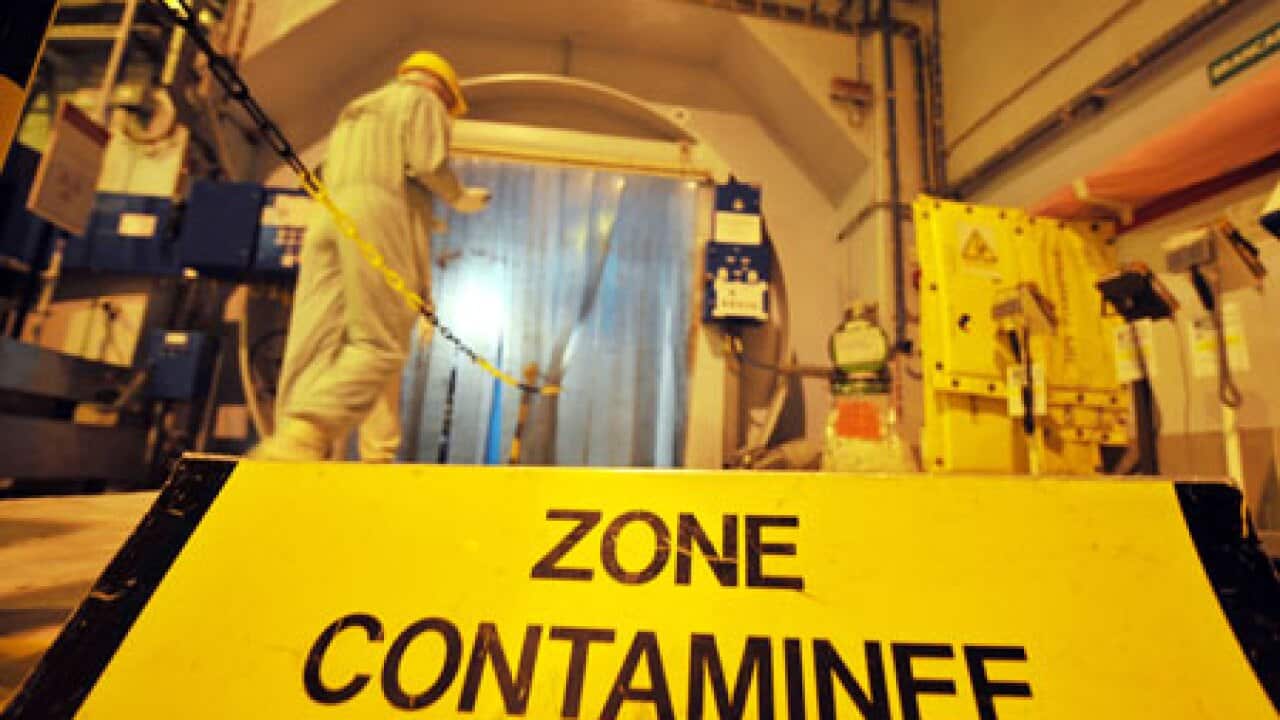
As the nuclear disaster in Japan continues, here's a guide to the worst nuclear incidents that have occurred in history.
Chernobyl, 26 April 1986
Regarded as the worst nuclear disaster to have occurred, the Chernobyl disaster is the only nuclear incident to be classified a level seven “major accident” on the International Nuclear Event Scale.
News that makes sense
Your trusted source for staying up-to-date with the world around you. Get free daily news updates and analysis, straight to your inbox.
The disaster started with a systems test at reactor No. 4 at the Chernobyl nuclear plant in the former Soviet Union. After a sudden power surge, the nuclear reactor ruptured and a series of explosions occurred which released clouds of radioactive dust into the atmosphere. This covered not only the nearby town of Pripyat but also parts of the western Soviet Union and Europe.
Only 50 deaths are directly attributed to the disaster, including reactor staff and emergency workers, but 4 000 deaths will be caused by the catastrophe, according to a UN report.
Kyshtym, 29 September 1957
Classified as a level six accident on the International Nuclear Event Scale, the Kyshtym nuclear disaster began when the cooling system in one of the tanks of the Soviet Union's Mayak nuclear power plant failed. The temperature rose, leading to a non-nuclear explosion that released a large amount of radioactive material into the atmosphere.
Hundreds of square kilometres of land were left uninhabitable for years, and 10 000 people were evacuated one week after the explosion. At least 200 people died of cancer because of exposure to radiation, according to estimates.
Three Mile Island, 28 March 1979
The US' worst nuclear disaster occurred near Harrisburg, capital city of Pennsylvania, and was classified at level five on the International Nuclear Event Scale. The core of the Three Mile Island nuclear plant overheated after a small valve which had opened to relieve pressure to the nuclear reactor failed to close, causing cooling water to leak.
Emergency water that could have cooled the core was not used because machines monitoring the core's conditions provided false information. After the core overheated, radioactive gases were released.
The plant's designers contacted the plant operators and were able to stabilise the situation just before the leaking water reached the core's fuel rods, which would have caused a full meltdown.
The disaster caused no deaths or injuries, according to the US Nuclear Regulatory Commission.
Tokaimura, 30 September 1999
Rating at level four on the International Nuclear Event Scale, the Tokaimura Nuclear Accident happened at a uranium-processing facility in the Japanese village of TÅkai, Ibaraki prefecture.
Unqualified workers prepared a batch of highly enriched uranium, and put too much of the material in a tank. The uranium reached critical mass and started to emit strong radiation. Of the three workers handling the uranium, two died, and another was hospitalised. 56 plant workers and 21 other workers received elevated doses of neutron and gamma radiation.
Bohunice Nuclear Plant disaster, 22 February 1977
At the nuclear power plant in Jaslovské Bohunice, in Czechoslovakia, humidity absorbers covering its nuclear fuel rods were not properly removed during a fuel change. This caused less heat to be transmitted to coolant gas, resulting in fuel overheating.
The nuclear reactor eventually underwent severe corrosion, and a large amount of radioactive gases was released. There are no adequate estimates of the injuries and deaths that resulted from the disaster in Czechoslovakia, then a part of the Soviet bloc, because it was covered up by the Soviet government.
This disaster was classified as a level four accident on the International Nuclear Event Scale.
What is the International Nuclear Event Scale?
The International Nuclear Event Scale is a rating that indicates the impact of nuclear incidents on people's safety. It can be applied to any event related to nuclear facilities, and the transport, storage and use of radioactive material.
The scale was designed by an international group of experts convened by the International Atomic Energy Agency of the Organisation for Economic Co-operation and Development.







