The Republic of Yemen, an insurgency-stricken country on the southern tip of the Arabian Peninsula, was reputedly home to the Queen of Sheba.
It is bordered by Saudi Arabia to the north, Oman to the east, the Red Sea to the west and is separated from Djibouti and Eritrea by the Gulf of Aden to the south.
Yemen's capital is Sana'a and its 2010 population was 24.3 million, according to the United Nations.
Arabic is the main language, and Islam is the major religion, though there was a significant Jewish community until the mid 1900s.
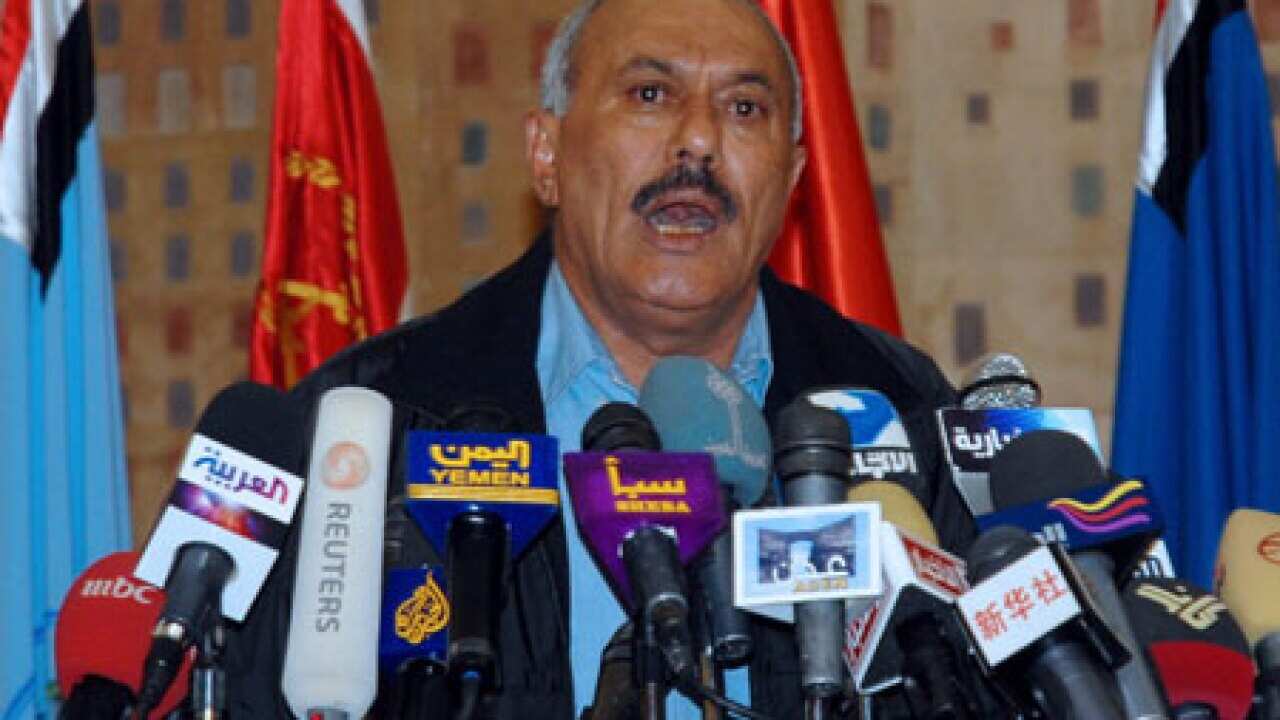
President Ali Abdallah Saleh has been in power since 1978, when he took over in a military coup.
News that makes sense
Your trusted source for staying up-to-date with the world around you. Get free daily news updates and analysis, straight to your inbox.
He has faced only one serious electoral challenge in that time, in 2006, but was voted back in for another seven-year term. He has since responded to demonstrations by promising he will not run again in 2013, nor appoint his son as his replacement, but he has broken similar promises in the past.
He is backed by the military and Yemen's tribes, which are still the country's real powerbrokers.
There is constant, deadly conflict between north and south.
The traditionalist north and the Marxist south were unified in 1990, but civil war broke out just four years later.
The southern separatists lost, however, and the country remained unified, albeit with ever-simmering tensions and resentment. Hundreds of people have been killed since 2009 in clashes between Shia Zaidi rebels and government forces.
The west also sees the country as a training ground for Islamic militants, a theory which was lent credibility when a Yemen-based branch of al-Qaeda claimed a failed attack on a US airliner.
Yemen-trained militants are also believed to be operating in Afghanistan and Pakistan.







