This audio is voiced by AI and may occasionally mispronounce words.
Share your feedback and help us improve this feature. Read more about how we use AI at SBS here.
This article contains references to family and domestic violence.
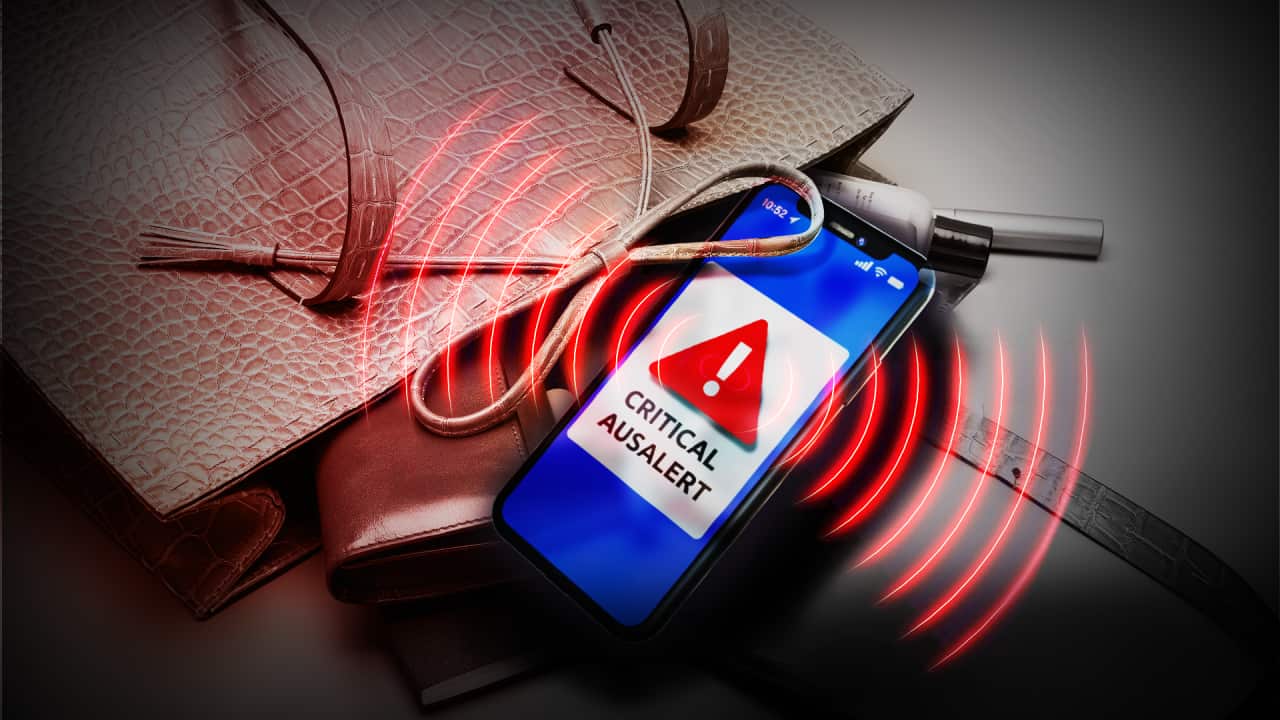
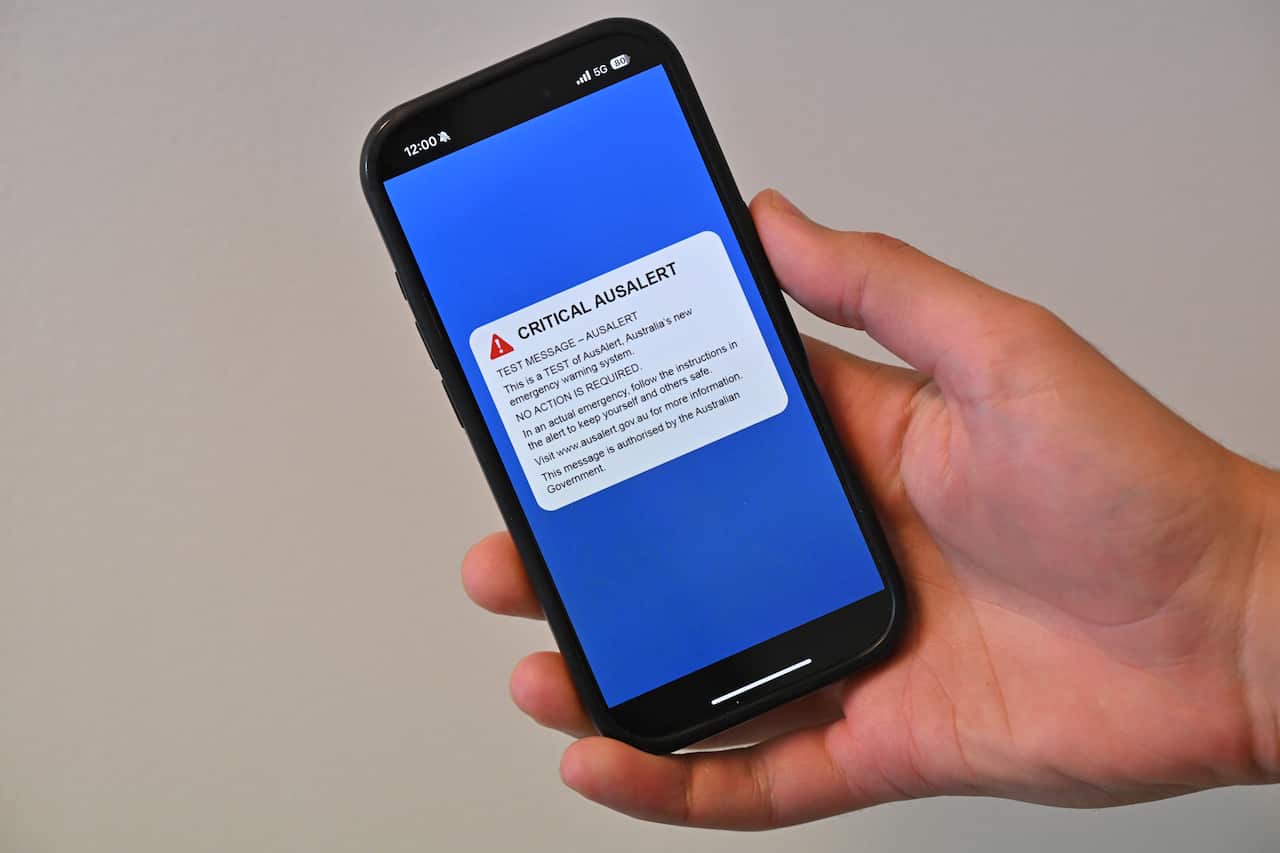
On Monday 27 July, millions of mobile phones across Australia will simultaneously emit a loud emergency alert as authorities test the nation's new AusAlert system for the first time.
The nationwide test is designed to ensure Australians receive lifesaving warnings during emergencies such as natural disasters, public safety threats and biosecurity incidents.
But family and domestic violence advocates warn the mandatory alert could also create unintended safety risks for some victim–survivors.
Hidden safety risks
News that makes sense
Your trusted source for staying up-to-date with the world around you. Get free daily news updates and analysis, straight to your inbox.
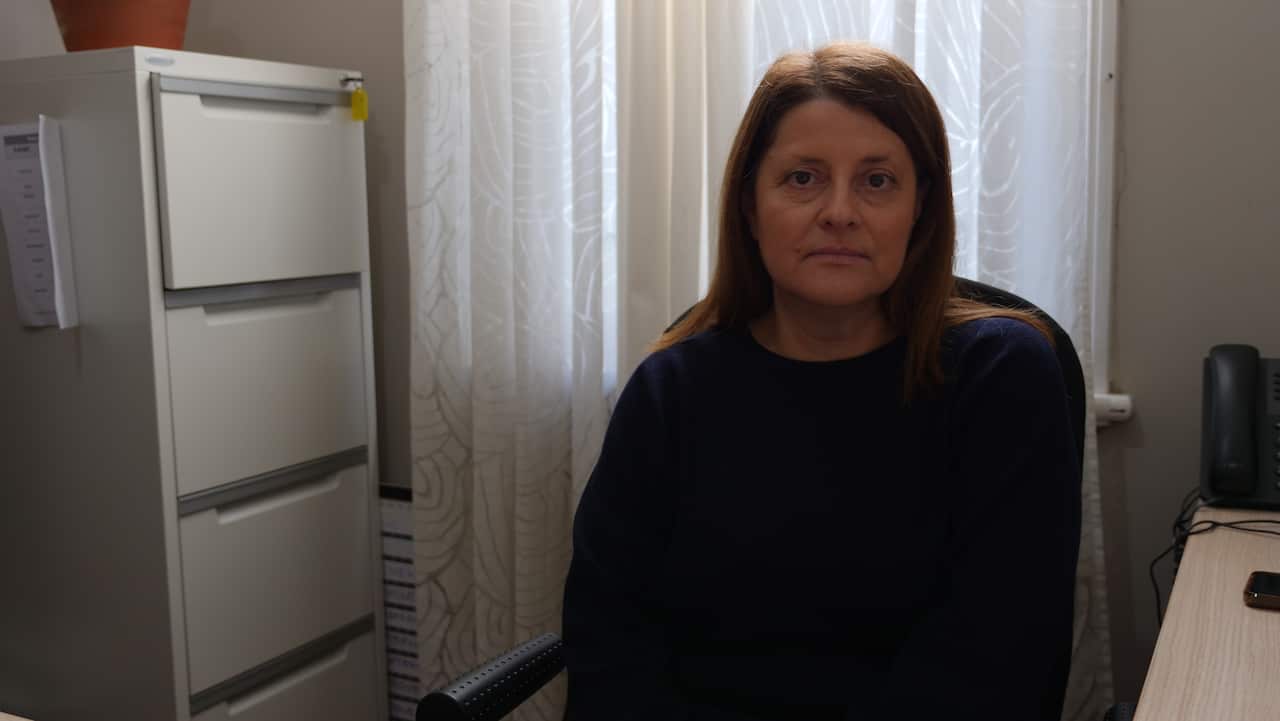
Immigrant Women's Speakout Association in western Sydney says its biggest concern is for women who depend on hidden emergency phones to seek help.
Its CEO, Maria Kissouri, says: "They need that phone in case of an emergency to be able to contact Triple Zero if they felt their life was threatened — that those women's safety might be compromised as an unintended consequence of the AusAlert system."
The organisation has supported migrant women experiencing domestic and family violence for more than 40 years.
A 2021 national study of migrant and refugee women conducted by Monash University's Migration and Inclusion Centre and the Harmony Alliance found one in three respondents had experienced family and domestic violence in the previous five years, rising to 40 per cent among temporary visa holders, who also reported much higher patterns of migration-related abuse and threats.
"What they experience after arriving in the country is abuse from their fiancé, their partner, or the person that they've just married," Kissouri tells SBS News.
As the nationwide test alert approaches, advocates are working to contact victim-survivors who may face risks from the alert — but say they cannot contact some people directly because doing so could compromise their safety.
They're also concerned the authorities haven't provided information about the alert in enough languages.
"Where it's safe to do so, [we've been] calling every woman that we're aware of that has a safe phone and letting her know to have it switched off well before the alert is scheduled, or to give the phone to somebody else, if that's possible," Kissouri says.
"It's often not possible, often people don't have a safe person that they've disclosed the abuse to; many women share with us that we're the first person that really knows just what's going on for them in their home and for their children as well."
A 'direct and discreet' approach
Katarina Carroll, deputy coordinator general for emergency management and response with the National Emergency Management Agency, says the agency has worked with community organisations to reach people who may be at risk, including through information translated into 19 languages.
"What people don't see, and it is probably some of the most important work, is that work through our peak bodies of going to the victims directly and discreetly and having the conversation with them personally," Carroll tells SBS News.
"That is incredibly important, and probably the safest way of doing this with victims of domestic violence."
The alert test will take place at 2pm AEST on Monday, sending a critical alert to compatible mobile phones and smartwatches across Australia.
How AusAlert works
AusAlert is Australia's new national emergency warning system, developed in response to a recommendation from the Royal Commission into National Natural Disaster Arrangements following the devastating 2019-20 Black Summer bushfires.
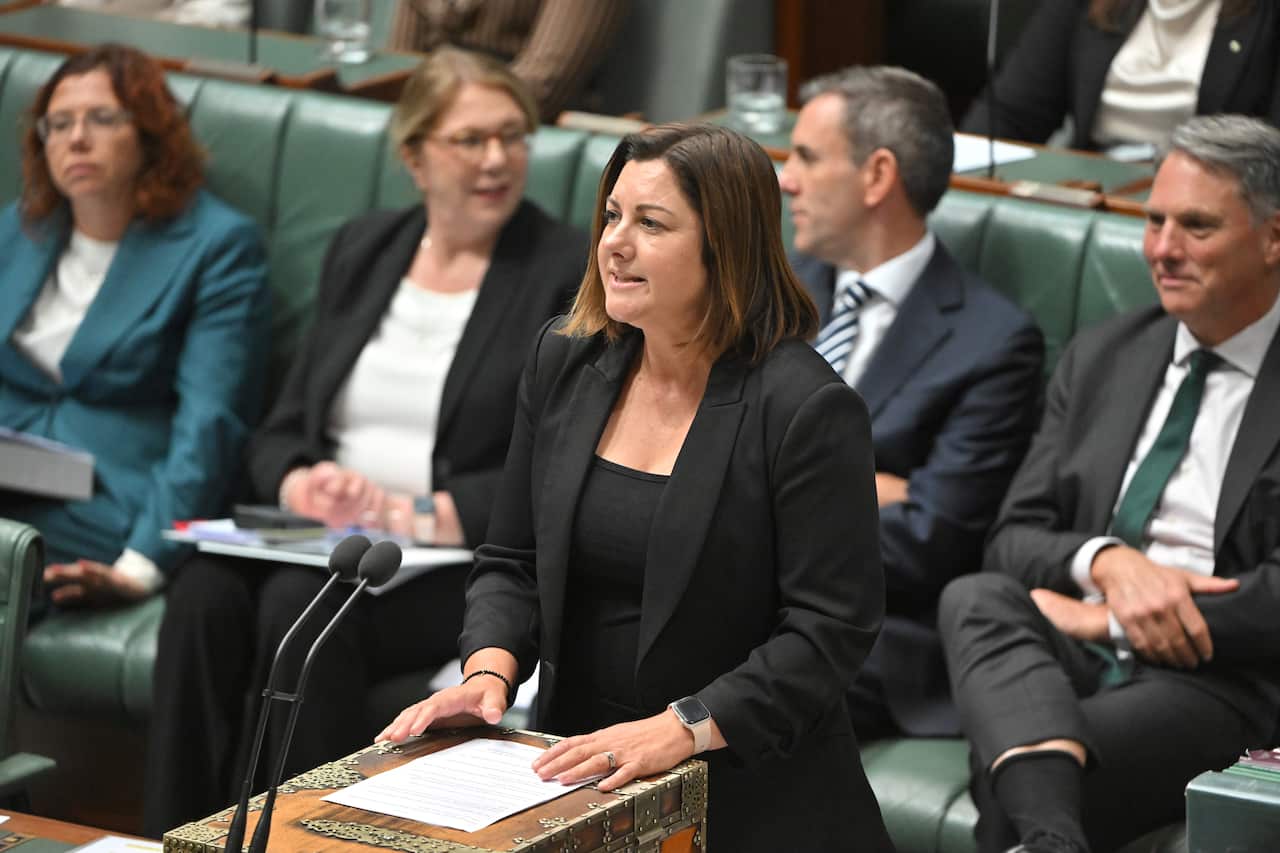
Emergency Management Minister Kristy McBain says the bushfires exposed limitations in the previous SMS-based warning system, which relied on mobile coverage and the delivery of individual messages.
Under AusAlert, there will be two levels of warnings: priority and critical.
Priority alerts are used for serious threats where conditions are changing. They will not override a phone's Do Not Disturb or Silent settings, and users can choose to disable them.
The highest level, a critical alert, is reserved for situations where people face an immediate threat and urgent action is required.
The 27 July test will use this highest-level alert.
Because critical alerts are designed for life-threatening situations, they override silent mode or Do Not Disturb settings.
However, there are ways users can avoid receiving the test, McBain says.
If you don't want that alert to disrupt or cause anyone in your family to feel unsafe, then turn off your device or switch it to airplane mode before the scheduled test time.
"We recommend you leave your device off for at least an hour after that scheduled test time as well."
Concerns beyond the test
The Queensland-based charity DV Safe Phone has provided more than 20,000 phones to victim-survivors of domestic and family violence since it was established six years ago.
Founder and CEO Ashton Wood says the phones provided by the organisation are supplied switched off, and users are encouraged to keep them that way until they are needed.
"We suggest the safe phone is always turned off until you need it, so we're not worried about the AusAlert for those types of conditions because the phones will be shut down, and AusAlert cannot get to a phone that's been shut down," he tells SBS News.
However, Wood says there is still a risk for victim-survivors who have a hidden phone that is switched on without the perpetrator knowing it exists.
"That phone will definitely make a noise if it's turned on and it's not in flight mode, so even if it's in silent mode or do not disturb or standard mode, it will make a noise," he says.
DV Safe Phone says it has contacted the service providers through which it distributes phones, and that information about AusAlert is being included with phones as they're handed out.
Advocates say the alert may also be distressing for other groups, including people living with disabilities, dementia or autism, to name a few.
AusAlert rollout
AusAlert is expected to be fully operational from October, ahead of the summer period when Australia typically records an increase in severe weather events, including bushfires, storms and floods.
The system will enable emergency services to send millions of messages in near real time.
"It's one of a range of methods that emergency services will use to alert the community about incidents that are happening near them, in particular natural disasters," McBain says.
"We obviously would recommend people keep in the loop with their local emergency services for a range of information."
Balancing safety and access
Wesnet, the national peak body for domestic and family violence services, has provided 50,000 phones through its Safe Connections program.
Wesnet CEO Karen Bentley says people who may be concerned about receiving a critical alert will need to consider their own circumstances once the AusAlert system is operational.
"I think each person's got to make their own decision about that," she tells SBS News.
"Certainly, I think that if you're in a risky situation, having access to a phone so that you can make a call to either emergency services or something is going to outweigh the risk, the possibility that there might be a critical alert."
If you or someone you know is impacted by family and domestic violence, call 1800RESPECT on 1800 737 732, text 0458 737 732, or visit 1800RESPECT.org.au. In an emergency, call 000.
The Men's Referral Service, operated by No to Violence, can be contacted on 1300 766 491.
For the latest from SBS News, download our app and subscribe to our newsletter.







