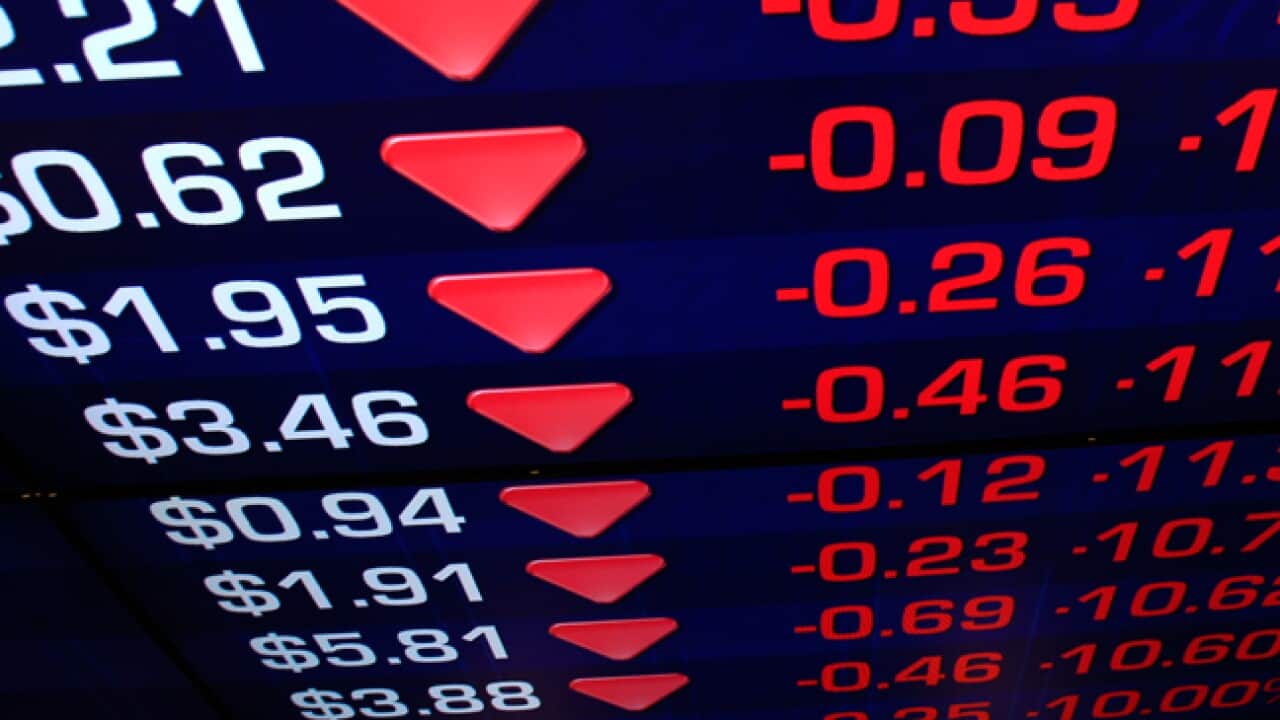
At midday (0200 GMT), the benchmark S&P/ASX 200 was two points lower at 4,137.8, having fallen 1.6 percent in early trade.
The bounce came despite unemployment data showing the jobless rate unexpectedly rose in July to 5.1 percent from a revised 5.0 percent in June.
The US dollar slipped further against major currencies Thursday on deepening worries over the health of the global economy because of the slow US recovery and the eurozone debt crisis.
The greenback was trading at 76.75 yen, down from 76.83 yen in New York on Wednesday. The euro firmed to $1.4187 from $1.4168, but fell slightly to 108.86 yen from 108.91 yen.
Market players have been keenly watching as the dollar has neared its post-World War II low of 76.25 yen, which it hit in the turbulent week after Japan's March 11 quake and tsunami disaster.
Global financial markets have been roiled since Standard & Poor's stripped the United States of its AAA credit rating on Friday, with fears that European nations with large debt problems may be next.
Speculation about a possible credit downgrade for France was a factor that lifted the yen against the euro.
The greenback could drop below its post-war low if Tokyo does not step into the market again or the Bank of Japan expands monetary easing, said Barclays Capital chief currency strategist Masafumi Yamamoto.
The safehaven yen has stayed strong as global investors have dumped US and European stocks and looked for a secure place to park their capital.
Because a strong yen hurts Japanese exporters, the nation's main economic engine, Japan stepped into the foreign exchange market last week to dump yen for dollars, and its government signalled it may do so again.
Finance Minister Yoshihiko Noda said Thursday he remained attentive to financial markets, telling reporters shortly before the market opened that "I think one-sided movements (in the forex market) are continuing.
Share


