in brief
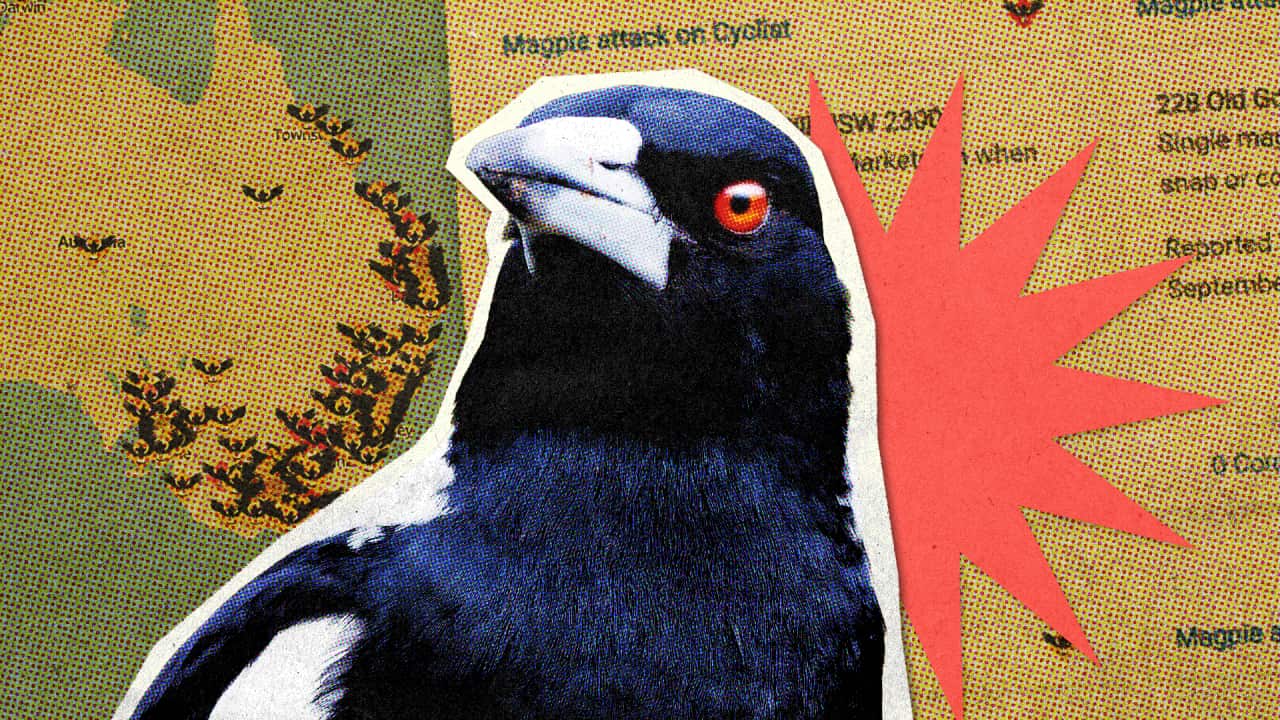
- Web developer Jon Clark built Magpie Alert after a terrifying bicycle swoop, creating Australia's main database for logging bird encounters.
- Researchers say simple defences such as staring back or changing routes remain the most effective ways to avoid swooping injuries.
Sydney web developer Jon Clark admits that being swooped by a magpie "still gets the heart going" despite having logged tens of thousands of public encounters with defensive birds.
After an "absolutely terrifying" encounter with a swooping magpie in 2013, Clark decided to put his technical skills to use by creating the community-driven database, Magpie Alert. The website has since become the nation's pre-eminent go-to for up-to-date information on aggressive magpies.
"I was just out on my bicycle one Sunday afternoon, minding my own business in the spring, and this great big magpie decided to start snapping at my ear," he told SBS News. "It was the first time I'd ever experienced it, and gosh, it scared me senseless."
Discovering that the information for logging and tracking the locations of dangerous magpies was "pretty limited", Clark built his site, which he says "took off" in 2016. He has since been contacted by local councils and Australia Post branches who are interested in helping communities stay alert about magpies in the area.
Users can file a report on any aggressive magpie they have encountered, tagging the location of the bird, the type of attack, and the time of the incident. Others can corroborate this information and share updates on whether the bird is still active in the area.
News that makes sense
Your trusted source for staying up-to-date with the world around you. Get free daily news updates and analysis, straight to your inbox.
As a British person who migrated to Australia some 15 years ago, Clark said the prevailing impression of Australia is that "everything's out to kill you". Having become accustomed to the relative lack of danger presented by the fauna populating the suburbs of north-west Sydney, assault by magpie came as a surprise.
"I was like, 'God, we've got sharks, we've got jellyfish, we've got snakes, spiders, and even the garden birds are out to get you'."
'Magpie heaven'
Magpie Alert data shows that September is the peak of swooping season. The website receives some 4,000 to 6,000 submissions each year, with around 45,000 users logging on to read the latest updates.
While magpies swoop right across the country, the ACT has the highest rate of incidents, something Clark attributes to having a high number of cyclists.
Behavioural ecologist Darryl Jones, who has been studying magpies for more than 30 years, told SBS News that the birds are drawn to human-created environments and have become concentrated in places where they can be supported by the local ecosystem.
"In the suburbs, there's everything they need in a small area," Jones said. "They're just pulling grubs and worms out of the ground and all they need is a lawn that gets watered and mown all the time."
"Without even trying, we have made magpie heaven".
Without even trying, we have made magpie heavenDarryl Jones
Why magpies swoop
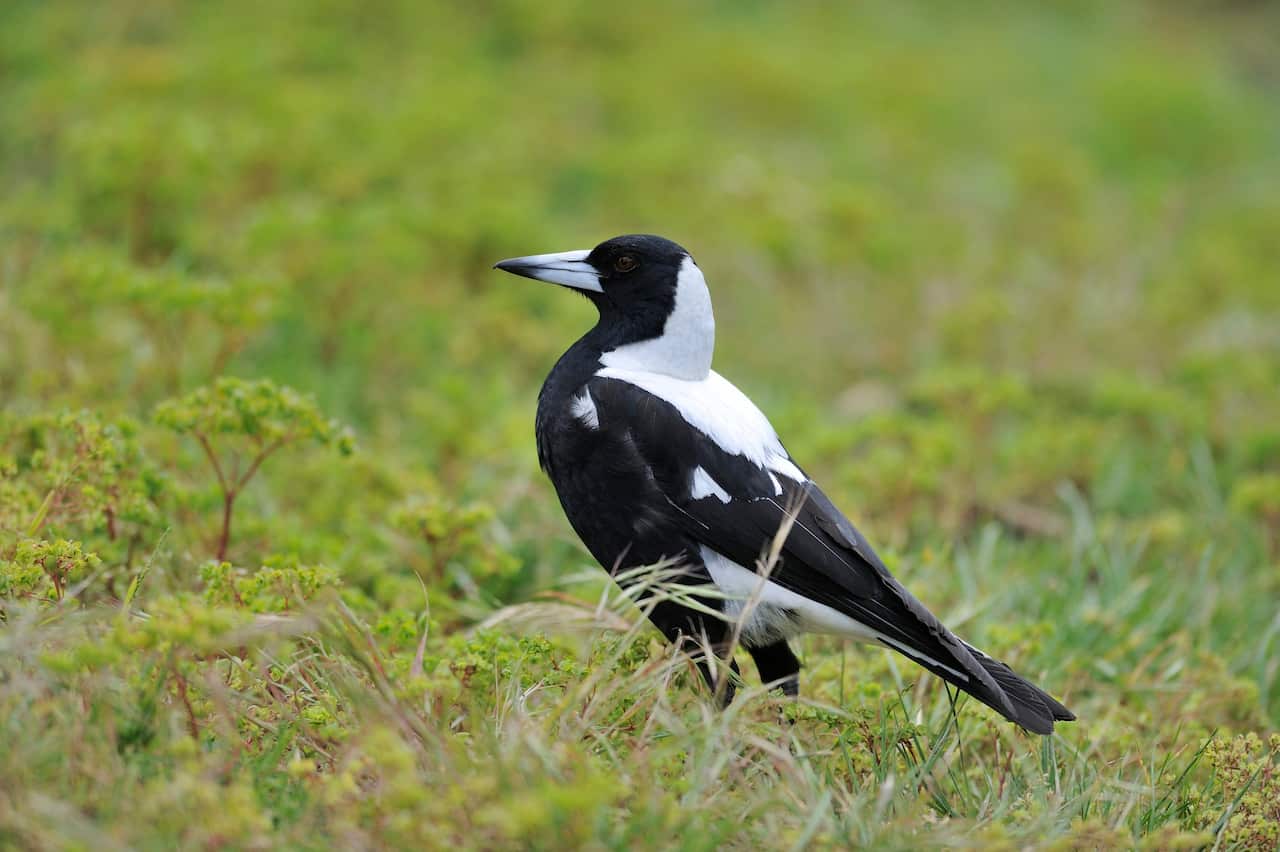
Only a small fraction of magpies swoop. Those that do are always male and will only do so when there are chicks in their nest.
Research conducted by Jones, professor emeritus at Griffith University, has shown that around 8 per cent of magpies will swoop — and only half of those will swoop pedestrians — while the vast majority only go for one or two people in their territory.
"When it's pedestrians, and they're only attacking a couple of people, they know those people individually," Jones said. "They know exactly who they are, and when they come out, they'll attack only those people."
In a suburban environment, magpie territories can be as small as a handful of backyards. In the bush, they are much larger as the birds need more space to find food.
"They stay in one area, one territory, and they live there permanently," Jones said. "They get to know the individual humans in their territory."
"We've done experiments where we were able to determine for sure that they can recognise up to about 30 people's faces by their facial features, just like we do."
While pedestrians may be unlucky to be swooped, aggressive magpies will swoop any cyclist that comes into their area, something Jones attributes to the speed at which they are moving.
Despite his challenging encounter, Clark said magpies are a "lovely bird" with a "beautiful call".
"I think everyone's got a character magpie in their neighbourhood," he said.
How to avoid being swooped
Each spring, videos of cyclists or children being swooped by magpies go viral online. However, Clark notes that attacks can be serious.
"We've had a couple of eye injuries ... a few people being blinded in one eye from the birds over the years," he said.
"Most of the worst accidents on the website are people falling off their bicycle after panicking while being swooped. There have been a few broken bones reported".
A 76-year-old man died in 2019 after crashing his bike while trying to escape a magpie. In 2021, a five-month-old was tragically killed after her mother stumbled and fell while trying to dodge a swooping magpie in Brisbane.
When entering unfamiliar territory and encountering a swooping magpie, Jones said the best advice is to walk backwards while watching the bird, as they do not attack if they are being stared at.
People living within the territory of a defensive magpie can befriend them by offering bird food, which Jones said can ensure they do not see that person as a threat.
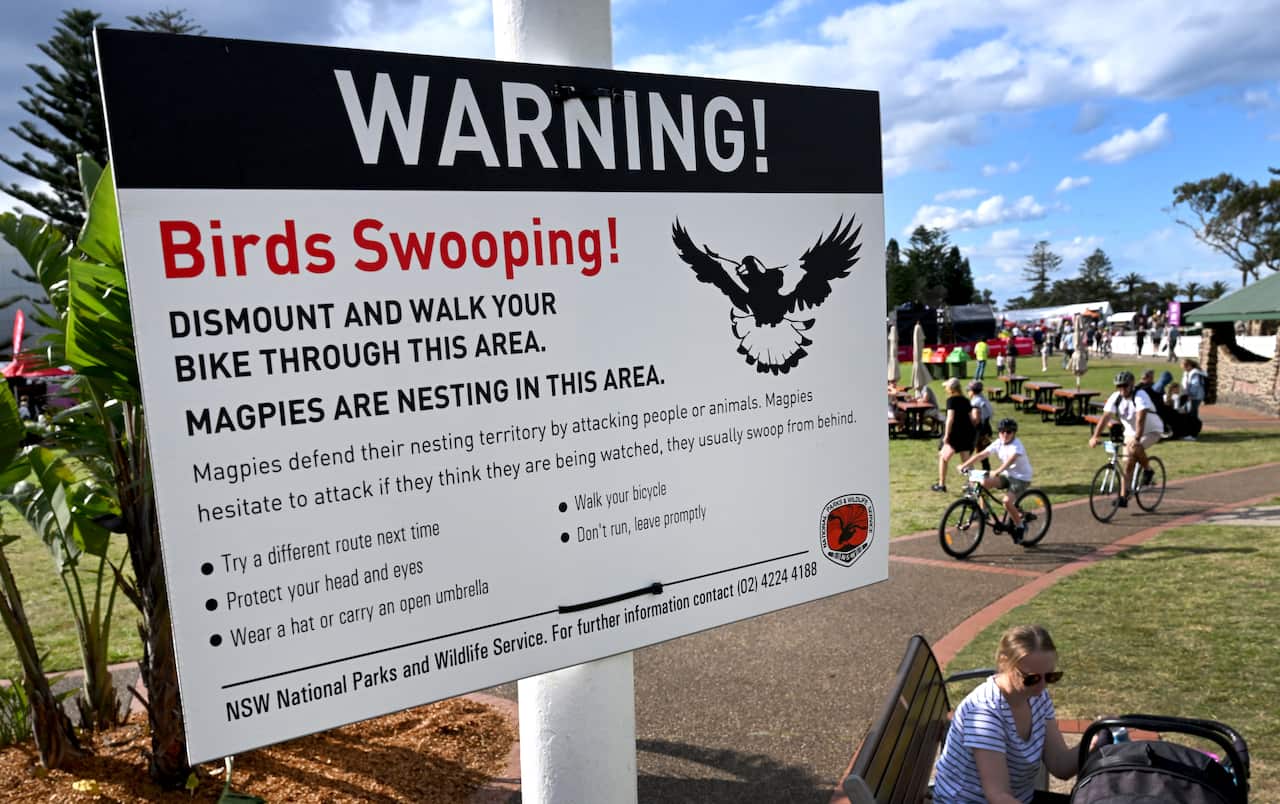
Cyclists can either wear a realistic mask on the back of their helmets or attach cable ties to mimic sharp objects that the birds will avoid flying into.
"The simplest thing ... if you know there's an area where there are magpies, then you could just avoid that," Jones said.
Magpie Alert has recently been updated with an email function that can alert users in their inbox when a new, aggressive magpie is logged in their local area.
Clark says he would love to build a mobile app one day so people on the move can check for and document swooping birds, but funding constraints make that impossible right now.
He personally feels "more confident" in encountering swooping magpies than he once did, but confesses that the experience "always makes you jump".
"It's just a rite of passage."
For the latest from SBS News, download our app and subscribe to our newsletter.







