In brief
- Energy Minister Chris Bowen has said he's aware of six oil shipments to Australia that have been cancelled.
- However, Bowen and several experts have said there isn't a threat of a nationwide fuel shortage.
Six cancelled oil shipments won't trigger a fuel shortage in Australia, but experts warn the axed deliveries highlight the nation's vulnerability to global supply disruptions.
Energy Minister Chris Bowen revealed the tanker cancellations on Sunday as he conceded there could be "bumps in supply" due to the conflict in the Middle East.
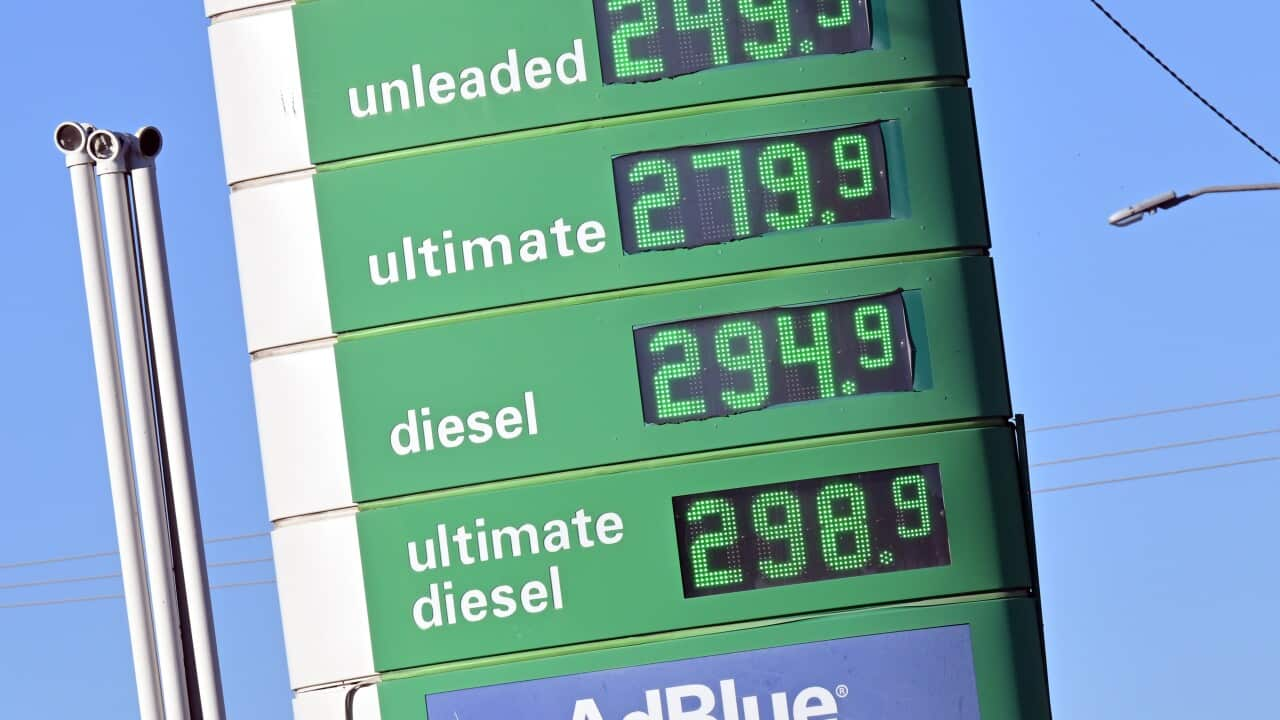
Iran's decision to close the Strait of Hormuz — a key global trade route — in response to American and Israeli strikes has sent global oil prices skyrocketing, driving up the cost of petrol, diesel and jet fuel and prompting panic buying in some areas.
Domestic petrol and diesel prices have soared, but the government has repeatedly said shortages in some regional and rural areas were caused by panic-buying rather than supply issues.
More than 80 shipments of fuel were delivered to Australia in the average month, Bowen said, but a handful had been scrapped in recent weeks.
News that makes sense
Your trusted source for staying up-to-date with the world around you. Get free daily news updates and analysis, straight to your inbox.
"We're aware of six boats that have been cancelled," he told the ABC's Insiders program, adding that the cancelled ships were primarily coming from Asia.
"Some of those have already been replaced by the importers and refiners with other sources."
Bowen said Australia's two refineries were both working "full pelt" to produce fuel solely for domestic use, not export, and the nation's total supplies had not changed since the start of the conflict.
'Vulnerable to global disruptions'
Swinburne University expert Hussein Dia said six tankers being cancelled did not constitute a nationwide fuel shortage, with supply chains adjusting and alternate shipments being sourced.
But Dia said it highlighted the deeper structural issue with Australia's fuel system, given the nation imported 80 to 90 per cent of its liquid fuels.
"That makes us vulnerable to global disruptions, whether from geopolitical tensions, refinery outages, or shifts in international demand," he told AAP.
"What we are seeing at the moment is not a collapse in supply, but increasing volatility ... if disruptions become more sustained or widespread, pressure on fuel availability could grow, particularly in regional areas where supply chains are more fragile."
Sunshine Coast University finance expert Sajid Anwar said the cancellations were a critical stress test for the nation's energy resilience while people also battled rising inflation.
"With households facing a double-whammy of record fuel prices and rising mortgage repayments, the risk of a broader economic contraction has intensified, making responsible consumer behaviour — such as avoiding panic buying and adopting fuel-efficient driving — essential to stabilising the market," he said.
Bowen pledges to manage of 'bumps in supply'
The flow of oil to refineries in Asia had slowed, creating flow-on impacts for Australia, Bowen said.
It was highly unlikely that Australia's international fuel supply would be completely cut off, he said, but acknowledged that there might be rough patches.
"It's much more likely that there'll be bumps in supply, but that governments will work with the refiners and importers to manage those and minimise the impact," the minister said.
Bowen said Australia's two refineries were both working "full pelt" to produce fuel for domestic use and the nation's total supplies had not changed since the start of the conflict.
Some service stations in regional areas have run dry as petrol prices soar to well over $2.50 a litre and diesel surpasses $3 in some locations.
Australia's consumer watchdog recently granted fuel companies the right to coordinate on supply, without risking a breach of competition laws, but it has warned it will be watching for signs of collaboration on pricing.
Treasurer Jim Chalmers said on Saturday that the government was "working with industry and regulators to ensure Australians get a fair go at the pump and in the supply chain and anyone breaking the rules must have the book thrown at them".
Meanwhile, Opposition transport spokesperson Bridget McKenzie suggested Australia should look to biofuels to help ease the shortage.
"Alternative home-grown Australian biofuel blended fuel can help reduce this exposure, support national energy resilience and reduce emissions," the Nationals senator said.
For the latest from SBS News, download our app and subscribe to our newsletter.







