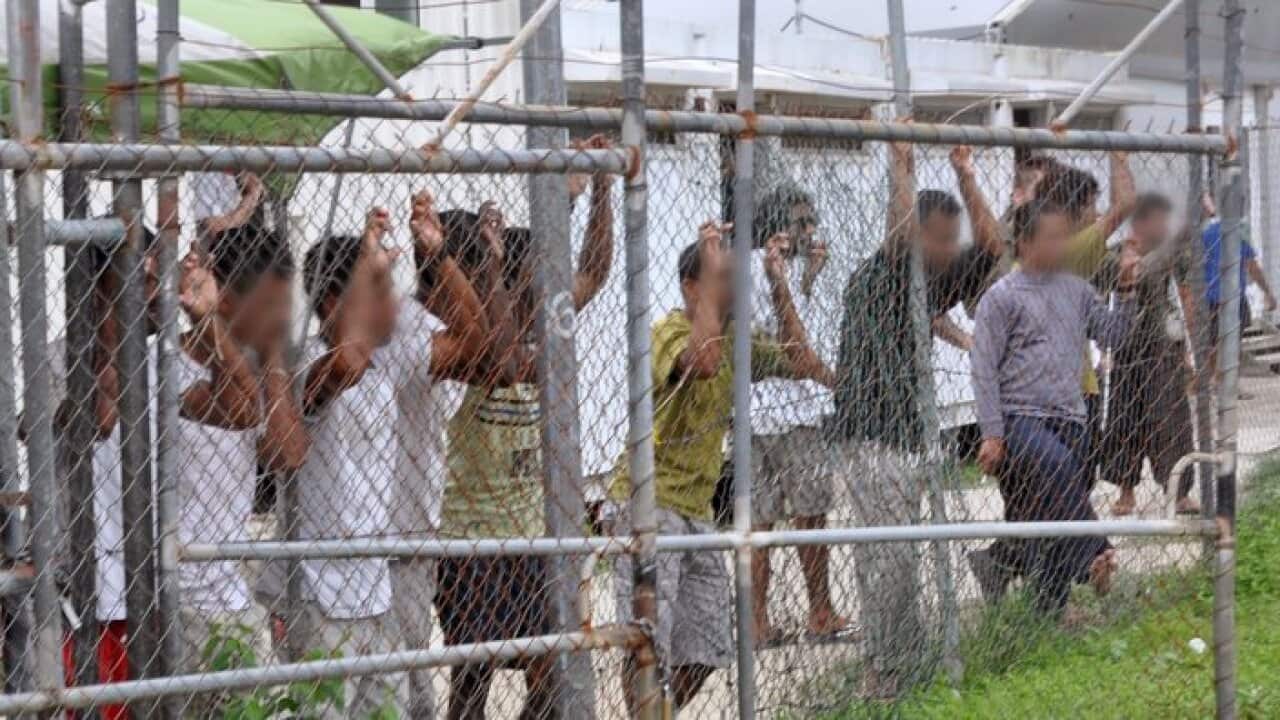
As Australia vies for election to the United Nations Human Rights Council in 2018, a new report by Human Rights Watch and the Human Rights Law Centre has offered a scathing review.
Human Rights Watch's Elaine Pearson said Australia needs to lead by example.
"Well we think Australia needs to lift its game on human rights both at home and abroad,” Ms Pearson said.
“Australia can't continue to turn a blind eye to abuses in countries like Sri Lanka and Cambodia if it's got a seat in the Council."
Foreign Minister Julie Bishop has previously said promoting and protecting human rights were fundamental for the federal government.
News that makes sense
Your trusted source for staying up-to-date with the world around you. Get free daily news updates and analysis, straight to your inbox.
Australia's human rights record under scrutiny
Ms Pearson hopes Australia is elected to the 47-seat council, but it needs to take a strong leadership role.
"Australia can't continue to sit back and let other countries do the heavy lifting, but really needs to take a more active leadership role,” she said.
“It can't pick and choose the countries it is going to be active on. We'd like to see a consistent principle from Australia."
For Australia to become a world leader and gain a seat on the UN council, the report says, it needs to thoroughly engage with its allies and the public on key human rights issues.
Ms Pearson says the first matter of priority is refugee policy.
"Work with countries of transit. Countries like Thailand, Malaysia, Indonesia, for Australia to start accepting more refugees for resettlement from those countries."
Afghan refugee calls for reform of asylum seeker policy
It has been a tough three years for an Afghan refugee named Rahim since he arrived in Australia.
He fled the Taliban when he was 17 years old after they murdered his father.
It meant leaving behind his mother and siblings.
"I'm just losing my family, and I have the feeling I won't be able to see them again,” he said.
“Every night is just full of horror and scare."
Rahim has been on a bridging visa after being resettled in 2012.
He has only just now been given the right to work in Australia.
He said with his life is in limbo and the federal government has not done enough for asylum seekers.
He wishes to remain anonymous, afraid of repercussions for speaking of his experiences.
"It is tough to not know what is your future, whether you'll get protection or not," he said.
“What happened to me, I think, is just against human rights."
The report by Human Rights Watch and the Human Rights Law Centre comes as the country begins the process of bringing in 12,000 refugees from Syria and Iraq.
The first wave of migrants is expected to arrive in November.
The Department of Immigration has not responded to SBS's requests for comment.







