
Human rights group Amnesty International has praised the Australian government for supporting a resolution to set up a special panel to collect evidence of human rights abuses in Myanmar.
The resolution carried by members of the UN Human Rights Council will also prepare evidence for any future prosecutions on genocide.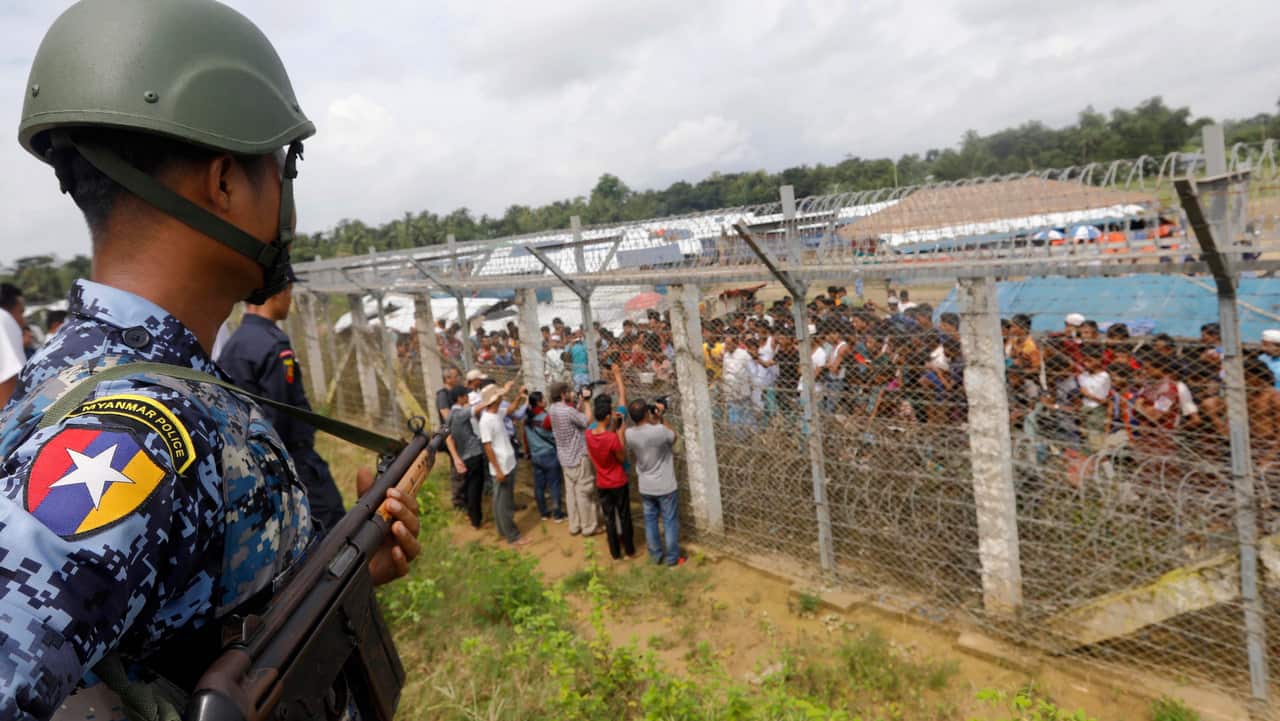 “This is an important step on the road to justice - a decision that takes us one step closer to bringing the perpetrators to justice,” Amnesty International Australia campaigner Diana Sayed said.
A Myanmar border guard police stands guard near a fence of Rohingyas refugees at the 'no man's land' zone between the Bangladesh-Myanmar border. Source: AAP
“Although it will not in any way compensate for the atrocities victims and survivors have experienced, they will at least know a process towards justice has begun.”
The 47 members of the UN Human Rights Council voted on Thursday in favour of the resolution 35 votes to three, with seven abstentions.
The European Union and the Organization of Islamic Cooperation brought the resolution.
China, the Philippines and Burundi voted against the move, whose backers said it was supported by more than 100 countries.
Myanmar says resolution will not aid peace efforts
Myanmar Ambassador Kyaw Moe Tun said the resolution was based on the report of a UN fact-finding mission (FFM) that his government had categorically rejected, and which was unbalanced, one-sided and encouraged disunity of the country.
"The draft resolution is based on serious but unverified accusations and recommendations of the FFM that could evenendanger the national unity of the country," he said.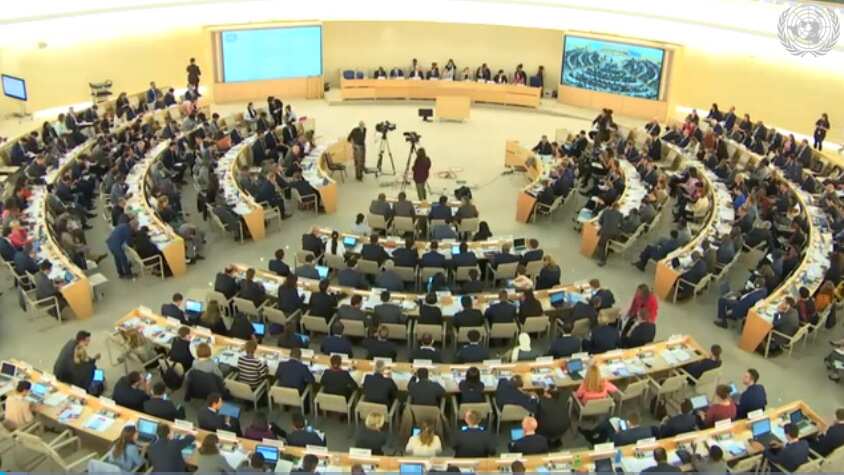 He said the resolution's intrusive language and demands would not contribute to finding lasting resolutions to the delicate situation in Myanmar's Rakhine state.
The 39th Regular Session Human Rights Council. Source: UN
The resolution sets up a body to "collect, consolidate, preserve and analyse evidence of the most serious international crimes and violations of international law committed in Myanmar since 2011, and to prepare files in order to facilitate and expedite fair and independent criminal proceedings".
The new agency is to work closely with any future prosecution brought by the ICC, which said earlier this month that it had jurisdiction over alleged deportations of Rohingya Muslims from Myanmar to Bangladesh.
More than 700,000 displaced
A year ago, government troops led a brutal crackdown in Myanmar's Rakhine state in response to attacks by the Arakan Rohingya Salvation Army (ARSA) on 30 Myanmar police posts and a military base.
More than 700,000 Rohingya fled the crackdown and most are now living in refugee camps in neighbouring Bangladesh.
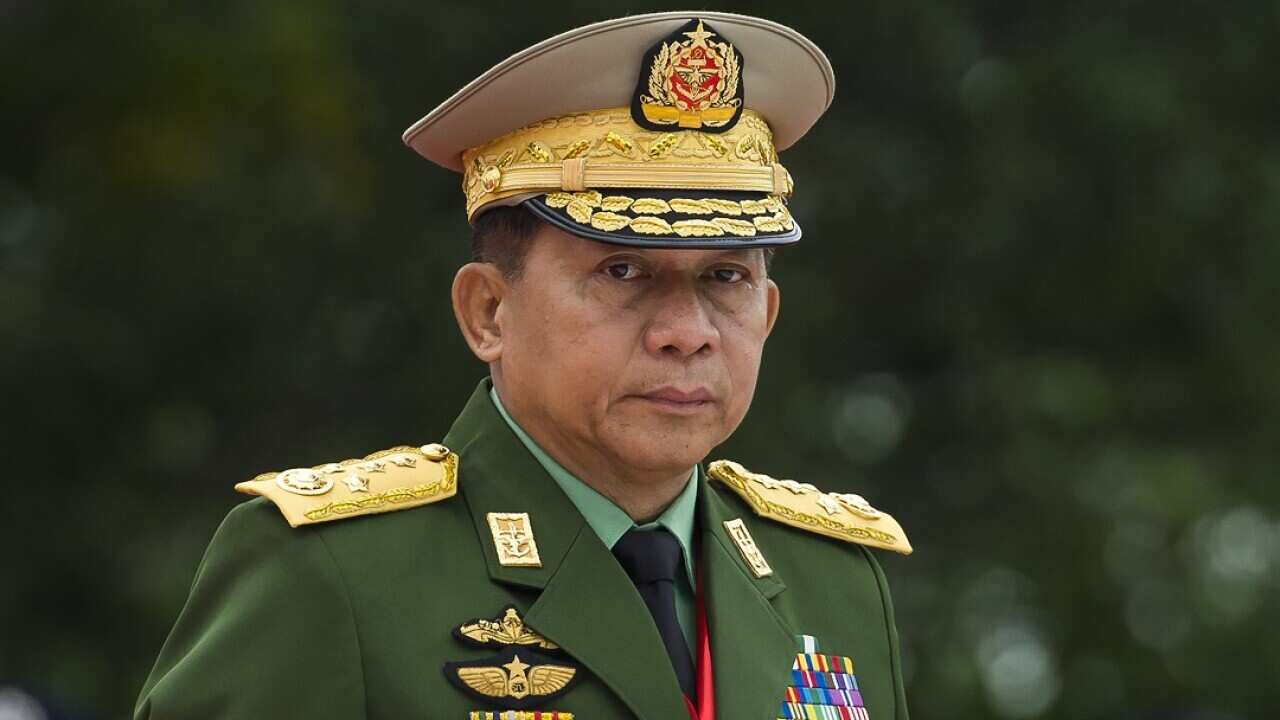
The FFM report said Myanmar's military had carried out mass killings and gang rapes of Rohingya with "genocidal intent" and called for commander-in-chief Min Aung Hlaing and five named
generals to be prosecuted for the gravest crimes.
Enough information for court to consider genocide crimes
In Thursday's resolution, the Council said there was enough information to warrant a competent court "to determine their liability for genocide".
Chinese diplomat Chen Cheng told the Council that Beijing opposed the resolution because it was very likely to exacerbate the tensions. "This is in no one's interest," he said.
Amnesty International’s Crisis Response Director, Tirana Hassan, said China’s opposition is “deeply disturbing”.
“This move to block justice and accountability for Rohingya and other minorities comes at a time when China is committing serious human rights violations against Uighurs and other Muslim minorities within its borders. History will judge China’s leaders harshly for their blatant contempt for justice.”
Foreign Marise Payne said last week that the federal government is considering recommendations by the UN fact-finding mission.
The report released last week found crimes against humanity and war crimes have been committed by Myanmar's military in Rakhine State.
The report recommends an investigation into genocide, crimes against humanity and war crimes.
"The Australian government is considering options in response to the fact-finding mission's report, including targeted sanctions," Minister Payne said.
- with Reuters
Share


