
More than 3,000 Australians fought in the historic battle of Normandy. Those who died were remembered at a service in Sydney's Hyde Park on Sunday.
It was a day that changed history but the Australian airmen involved didn't know it at the time.
"It was just another trip as far as we were concerned," said Billy Purdy. He flew Lancasters in Bomber Command during World War Two.
His elite bomber squadron number 463 took part in the attack on Germany's strategic post of Pointe Du Hoc, which had six cannons with a range of more than 20 kilometres, and a commanding view of Omaha and Utah beaches.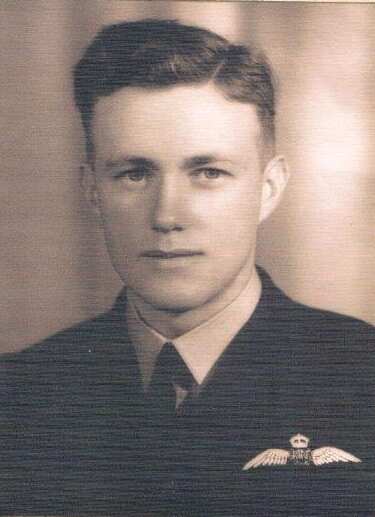
Mr Purdy (SBS)
Mr Purdy said weather conditions were poor that day.
"It wasn't until we turned to come home that I realised it must be D-Day because as far as the eye could see there were just vessels, hundreds of thousands of vessels, and the first of the landing ships with the troops on board were just heading toward the beach," said Mr Purdy.
On D-Day alone, up to 3,000 Allied troops died.
Their sacrifice was the centre of commemorations at Sydney's Hyde Park ANZAC memorial.
The seven Australian D-Day veterans are in France to join more than 8,000 World War II veterans and dozens of world leaders, including Prime Minister Tony Abbott.
"To visit the D-day landing sites along with these extraordinary heroes of our country, these national treasures, will be a real honour for me," said Mr Abbott.
For some of the men, it will be the first time they have seen the beaches of Normandy since 1944. Now in their 90s, the trip is likely to be a reflection of their entire lives and how close some came to death during the war.
'Where they came from I don't know, none of us saw them'
Bill Evans, a Wireless Operator Air Gunner, was shot down in the middle of the night on his twentieth operation in July 1944. He landed in a forest clearing, relatively unharmed.
"I jumped out and I stayed in the forest, had a cigarette and I thought I'd go for a walk," said Mr Evans.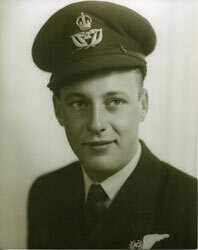 But with one boot missing, his plan to walk 600 kilometres to Spain was thankfully stopped in its tracks by the French resistance.
Mr Evans (SBS)
He spent two months hiding with 30 other airmen in a resistance camp until they were rescued by a group of American troops.
Share


