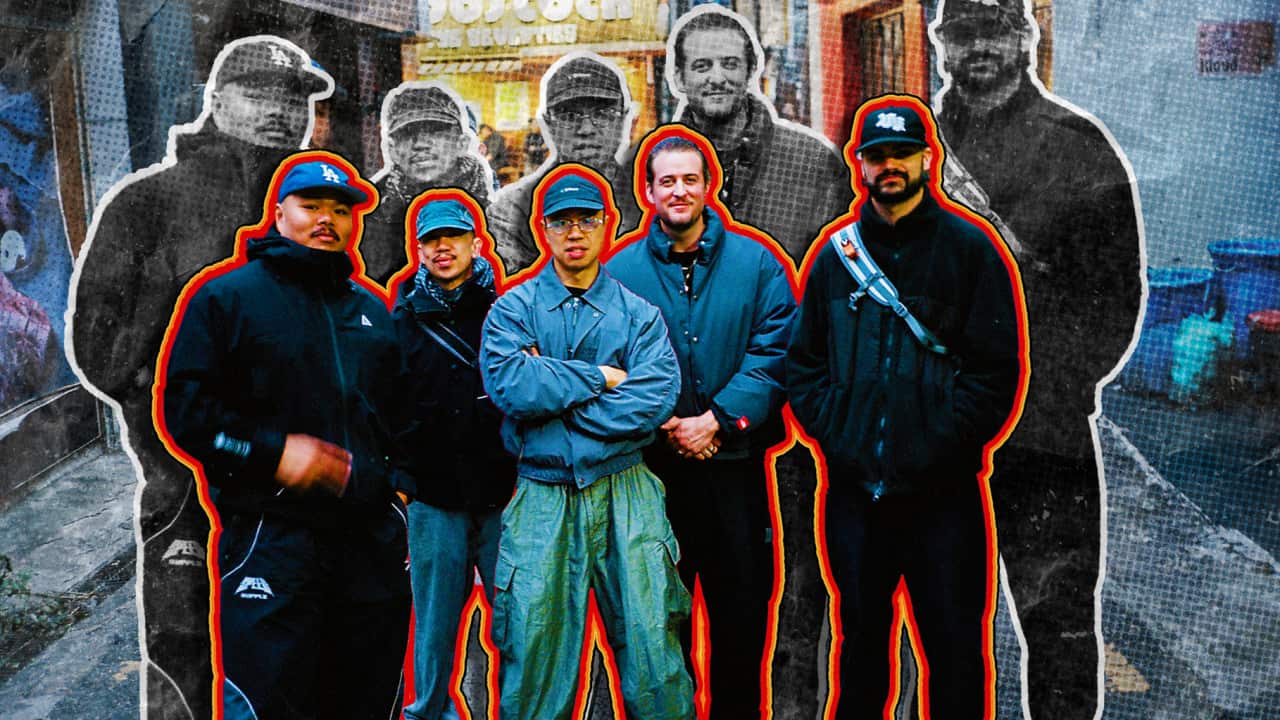
7 min read
Entertainment
Feature
Australia's underground hardcore scene just went global — you can thank a flute for that
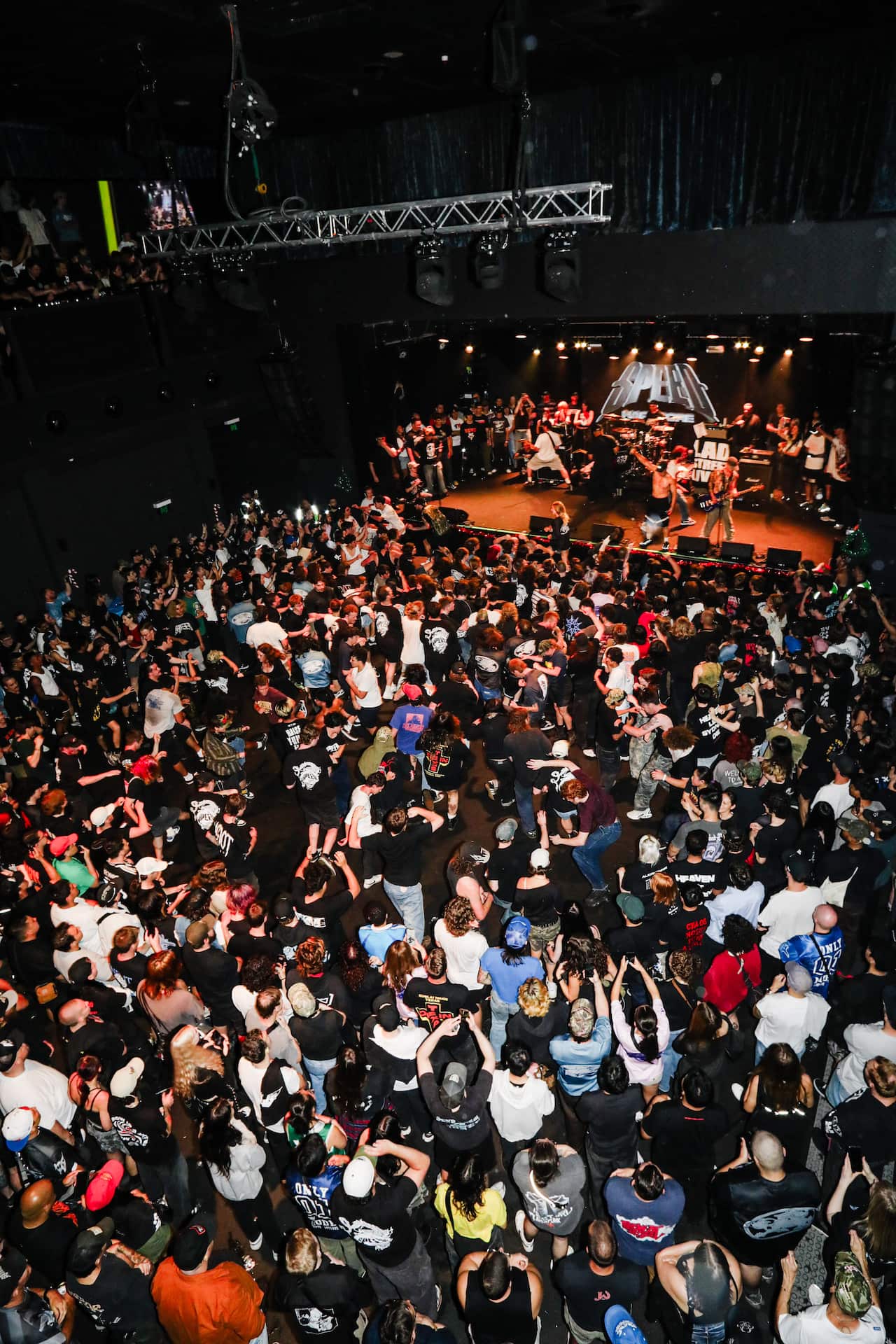
To an outsider, a SPEED gig can look like chaos.
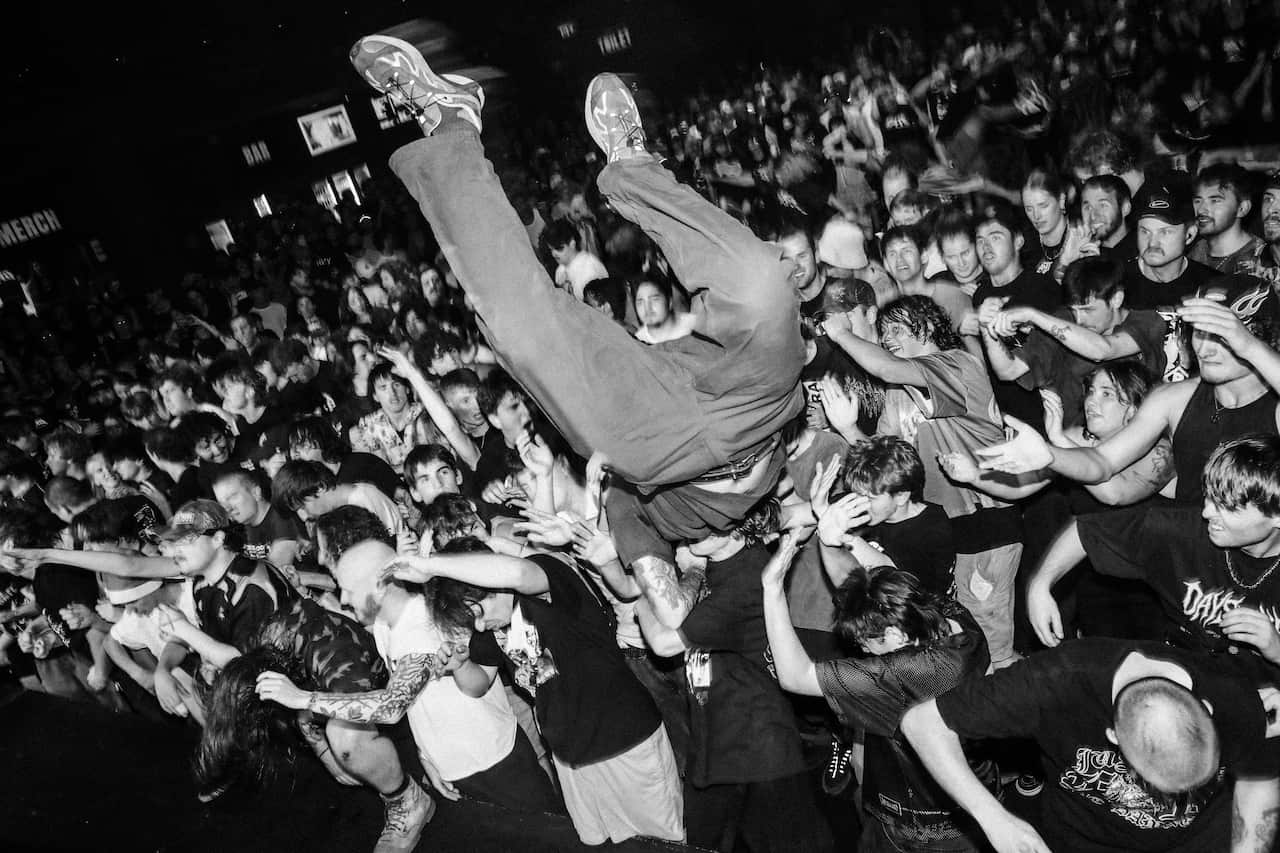
People in cargo pants and oversized band tees charge into each other with the full weight of their bodies. There's a careful choreography of swinging arms and stomping feet — a dance known as two-stepping — before someone launches themselves from the stage onto a pile of waiting bodies. Some flip. Some cartwheel. Sometimes, someone leaves with a concussion.
But at a show by the Sydney hardcore band, this is standard fare.
"There's no textbook for this s--t," lead vocalist Jem Siow tells SBS News.
"We've played in places where every single person in the room is a target."

To the untrained eye, it might look like violence for violence's sake. But each local hardcore community — or scene — has its own culture and ethics.
In some scenes, it's perfectly acceptable to throw a table across a room. In others, it's frowned upon to take your shirt off because of the "message" it sends.
"There are total polar opposites in terms of what's acceptable," guitarist Josh Clayton says.
That's the beauty of it — you have to respect the ethics of each scene individually.
For decades, that culture existed largely in small rooms. But now, it's playing out on global stages.
From 60 people to 200,000
SPEED is fast becoming one of Australia's biggest bands — though you may not have heard of them.
Their credentials? They recently toured the United States with hardcore heavyweights Turnstile — a Grammy-winning band widely considered one of the most popular in the genre right now — and fellow Australians Amyl and the Sniffers. Last year, they became the first Australian hardcore act to perform at Coachella. They've also got a couple of ARIAs under their belt.
That, and every cool person you know (probably) owns a SPEED shirt.
"We just played to over 200,000 people in America," Siow says.
"One of the shows had 13,000 people … when you're playing in Sydney, a great show used to be 60 to 80 people."
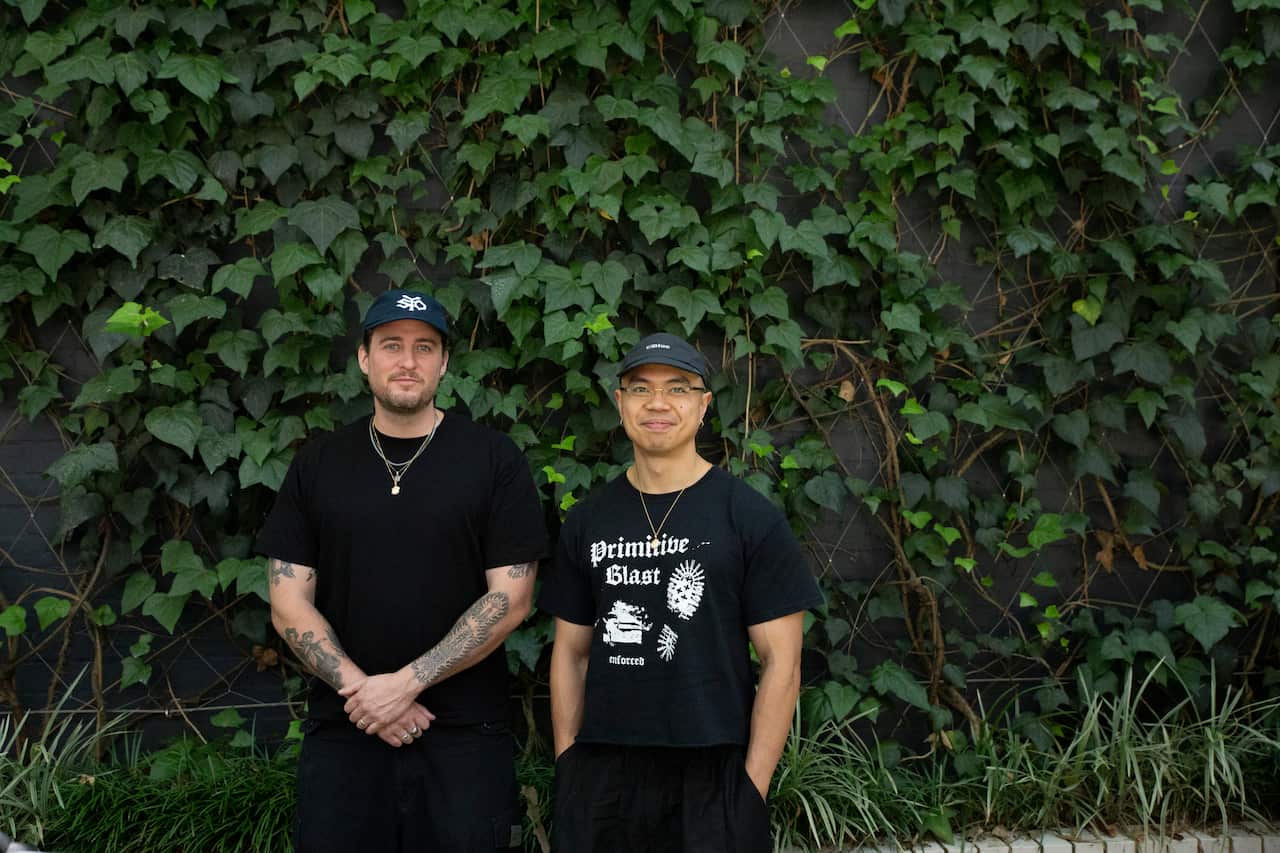
That scale shift brings its own tensions.
"It literally went overnight from 'How do we get people to shows?' to 'How do we make sure this shit doesn't become diluted?'"
For SPEED, hardcore isn't about making it big — it's about community.
Bigger rooms, same rules
Hardcore has long subsisted on a DIY ethic — self-run shows, community spaces, word-of-mouth networks.
North American bands — including Black Flag, Bad Brains, and Minor Threat — were pioneers of the scene in the late 70s to early 80s, making music as aggressive as it was political.
That ethic still carries through today.
"If there were some non-negotiables universally, it would have to be at least: no racism, no homophobia, no transphobia, no bigotry, no misogyny," Siow says.
Hardcore is definitely a left-leaning political ideology … there's no compromise on these kinds of ethics.
Australian bands have historically existed on the margins of the larger North American scenes, which have also been dominated by white men.
But that's changing.
On their latest tour, SPEED brought Thai band Whispers to Australia — a move they describe as driven by both responsibility and passion.
"The Australian hardcore scene has always lived in this underdog mentality," Siow says.
"But can you imagine what that's like for a Southeast Asian scene?"
Touring internationally is expensive. Just leaving Sydney, where the band is based, can cost tens of thousands of dollars. For bands in cities like Bangkok, Kuala Lumpur or Jakarta, the barriers are even higher.
"Bands that can barely even speak English are now being moshed to by people from all over the world," Siow says.
"For the first time, people are paying attention to hardcore all around the world."
For Siow, a second-generation Chinese-Malaysian Australian, this is an important milestone for representation.
"When you can see the image of yourself in someone else, you see a pathway," he says.
"There are so many people who never get the chance to see their potential because they thought a door was closed to them."
That idea of visibility isn't abstract for Siow — it's personal, and it extends to his music-making.
One of SPEED's tracks, The First Test, features an unlikely addition: a flute breakdown.
Siow has played since he was eight and taught the flute for 14 years, but for much of his life, he kept that world separate from hardcore.
"The whole time I was wearing two masks … but [the flute] is who I am," he says.
"With this band … I was like, I'm going to do this with my friends and I'm going to be me.
"The flute solo is about me just owning that part of my identity."

Love, loss, and paying it forward
But for all the global momentum, the band's recent years have also been marked by loss.
Their latest EP, All My Angels, was written in response to the grief of losing several close friends, two to suicide and one to a long-term illness: Chang-wook 'Aje' Yeo, Tahmid Nurullah and Alex Arthur.
"One day you're playing in front of 10,000 people and they're going berserk," Siow says.
"Then the next day you're literally burying one of your best friends.
The Speed message is: I really hope that if you're struggling, you can feel the power to open up to someone near you. Life can be really f--king hard, but it is way easier when you feel like you can be real with the people around you.
As a teenager, Siow says he was drawn to hardcore because of its emphasis on loyalty and unconditional love. As he got older, it became something he relied on.
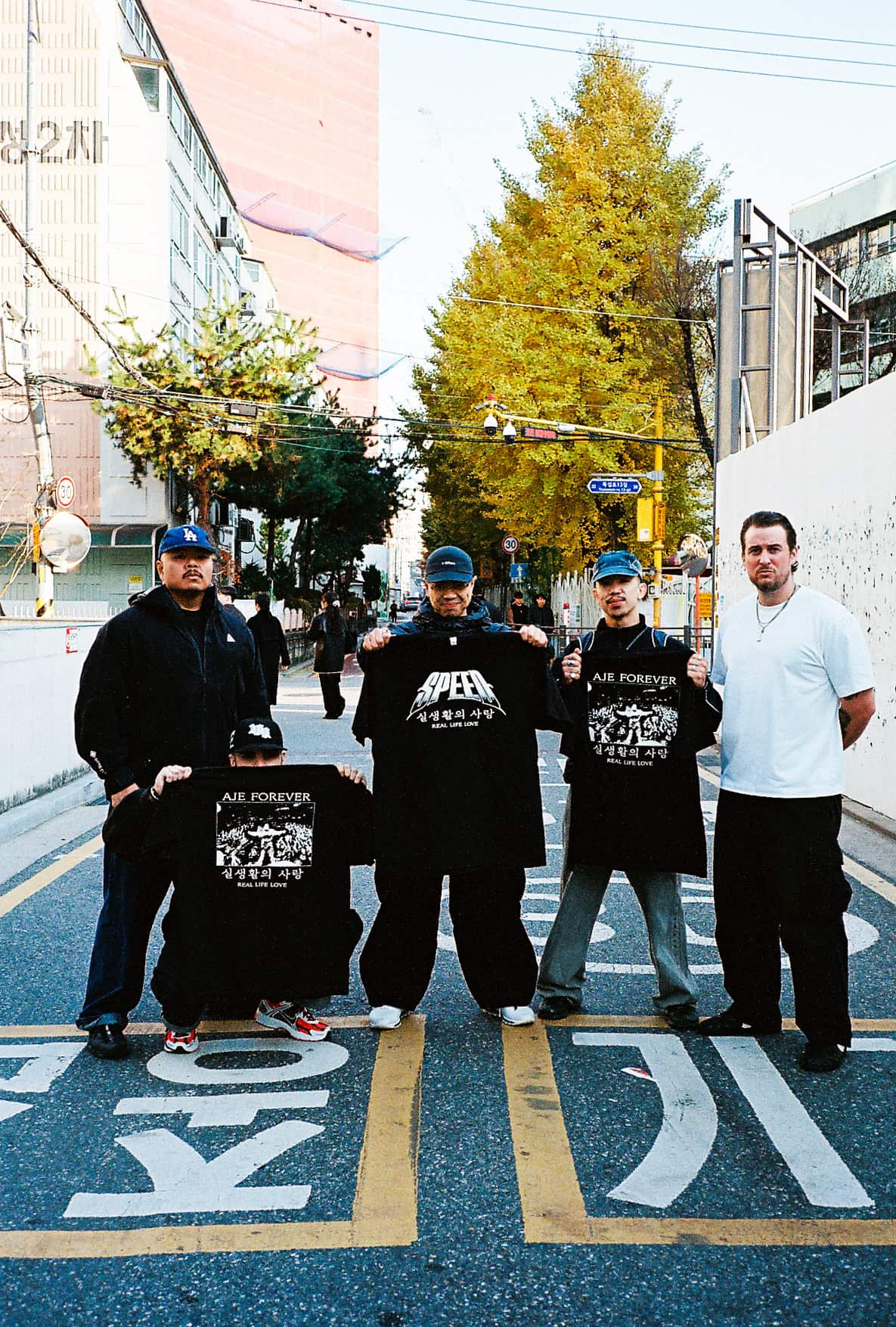
"You meet people around the world who you don't even speak the same language with … and they're sleeping at your house, looking after your cat, coming to your Christmas parties," he says.
"It's purely because you were both wearing the same band shirt."
Cultivating that sense of community, he says, is core to the band's mission.
"We're very conscious that what is happening with this band is such a rare and privileged moment," Siow says.
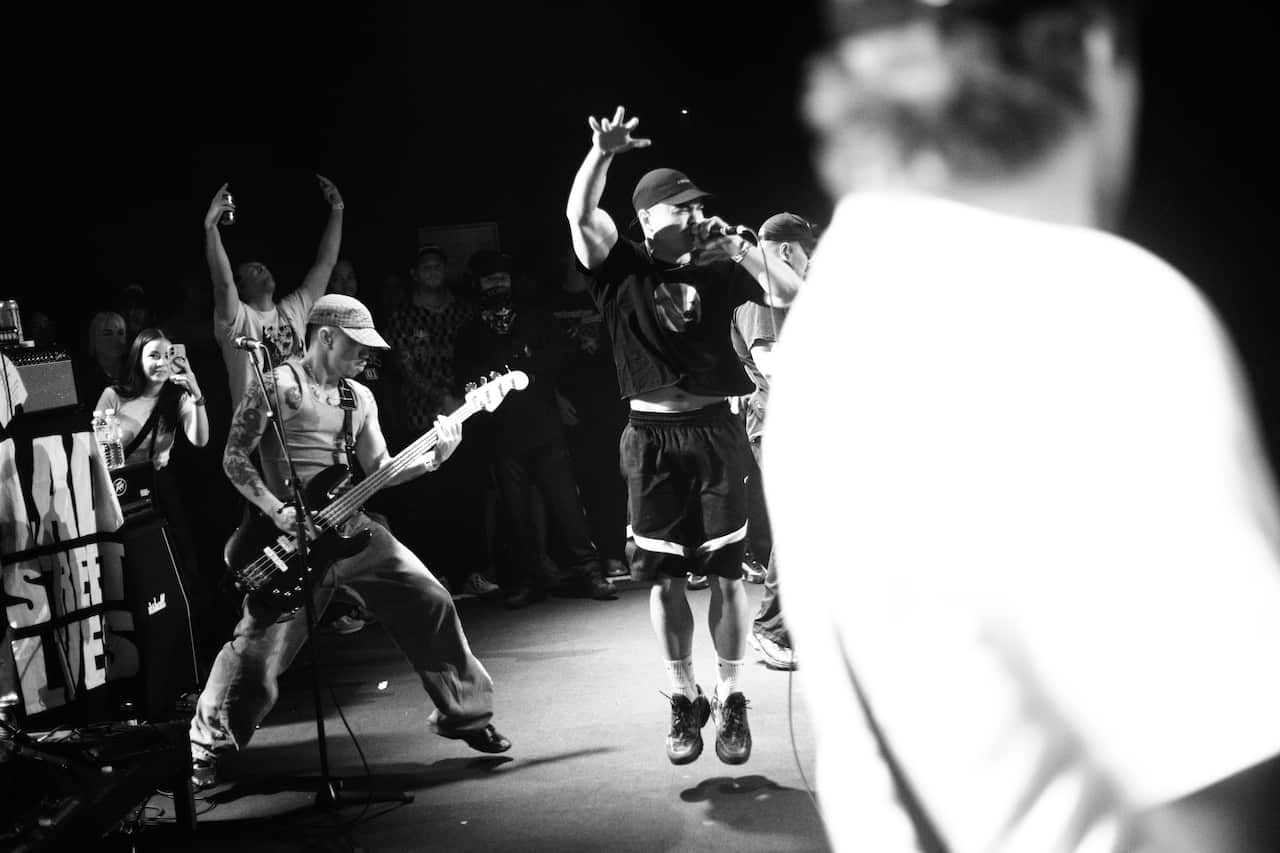
This is no more evident than in their next endeavour: Dynasty of Style.
In November, the band received the $80,000 NSW Music Prize for being the act whose work had the "most significant impact" in 2025.
SPEED committed to reinvesting the money into Sydney's hardcore scene, launching Dynasty of Style — a free, all-ages bi-monthly matinee series aimed at fostering emerging bands and creating a consistent home for the community.
"We believe [the prize money] must be paid forward to the community that we are writing our story with together," the band said in a statement.
The initiative builds on their ongoing community work, including an annual Christmas show where fans are encouraged to bring toy and food donations, with ticket proceeds directed to humanitarian causes.
Clayton says in a world where it's easy to feel powerless, small actions matter.
"With the little power that we have, we still have something we can do in our immediate surroundings," he says.
We're never going to solve those problems as a broader concept. But if there are individuals we can help, then at least we can make a difference in those people's lives.
Dynasty of Style shows will be held in Sydney every second month, starting from 22 February at the Metro Social Sydney.
— With additional reporting by Rania Yallop.
Readers seeking crisis support can ring Lifeline on 13 11 14 or text 0477 13 11 14, the Suicide Call Back Service on 1300 659 467 and Kids Helpline on 1800 55 1800 (for young people aged up to 25). More information and support with mental health is available at beyondblue.org.au and on 1300 22 4636.
Embrace Multicultural Mental Health supports people from culturally and linguistically diverse backgrounds.
For the latest from SBS News, download our app and subscribe to our newsletter.







