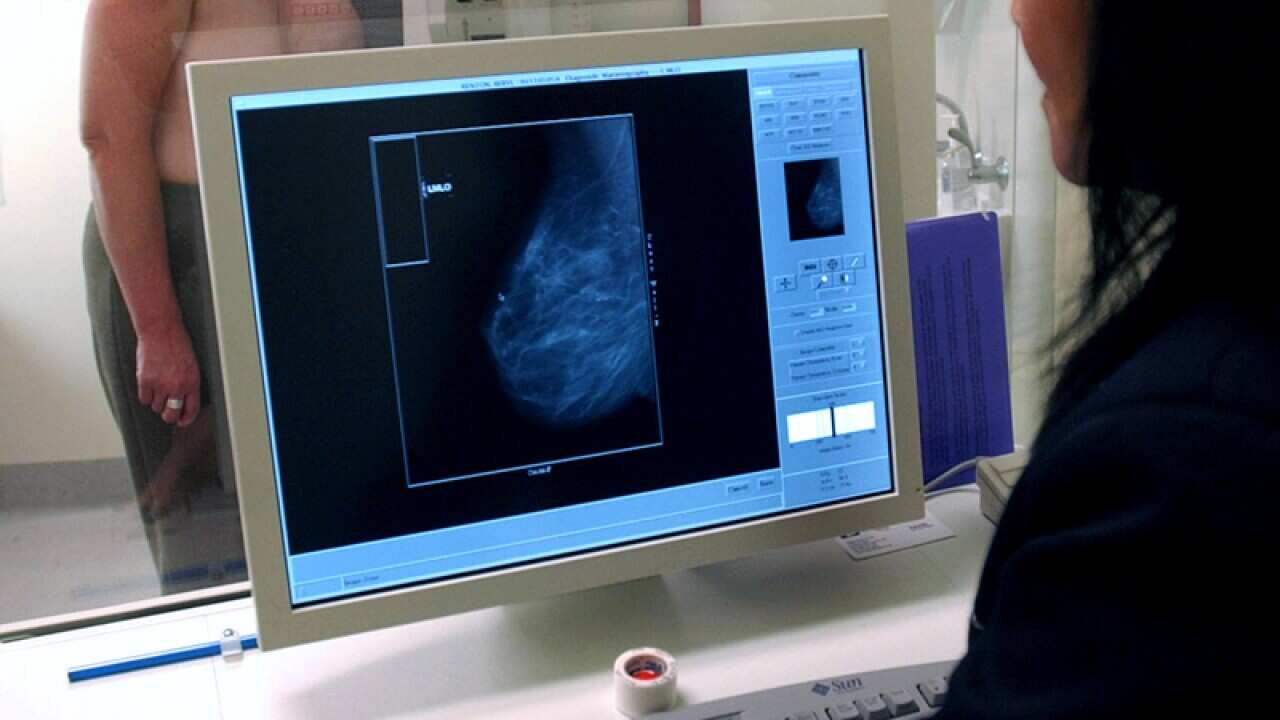
Monash University scientists say the PIPP tumour suppressant gene regulates the spread of the cancer in the body.
The paper's author, Dr Lisa Ooms, said the research found patients who lost the gene had a worse prognosis and a decreased rate of survival.
"So if we could identify patients who had lost gene that would enable us to identify patients who may need either a targeted therapy or a more aggressive therapy," she said.
"[The gene] is lost in a particular type of breast cancer, which is estrogen receptor negative, and these are particularly aggressive types of breast cancers and currently there are very few therapies that are available to treat these patients."
Lead researcher and dean of medicine, Professor Christine Mitchell, said the discovery could potentially prevent breast cancers spreading to other organs like the liver, brain and bones.
"If we could stop the initial spread from the primary tumour into the blood stream and to distant sites that would really change breast cancer outcomes, now that's a long term game," she said.
The discovery is the culmination of more than eight years of painstaking research that was initially motivated by a PHd student's own grandmother's battle with cancer.
Share


