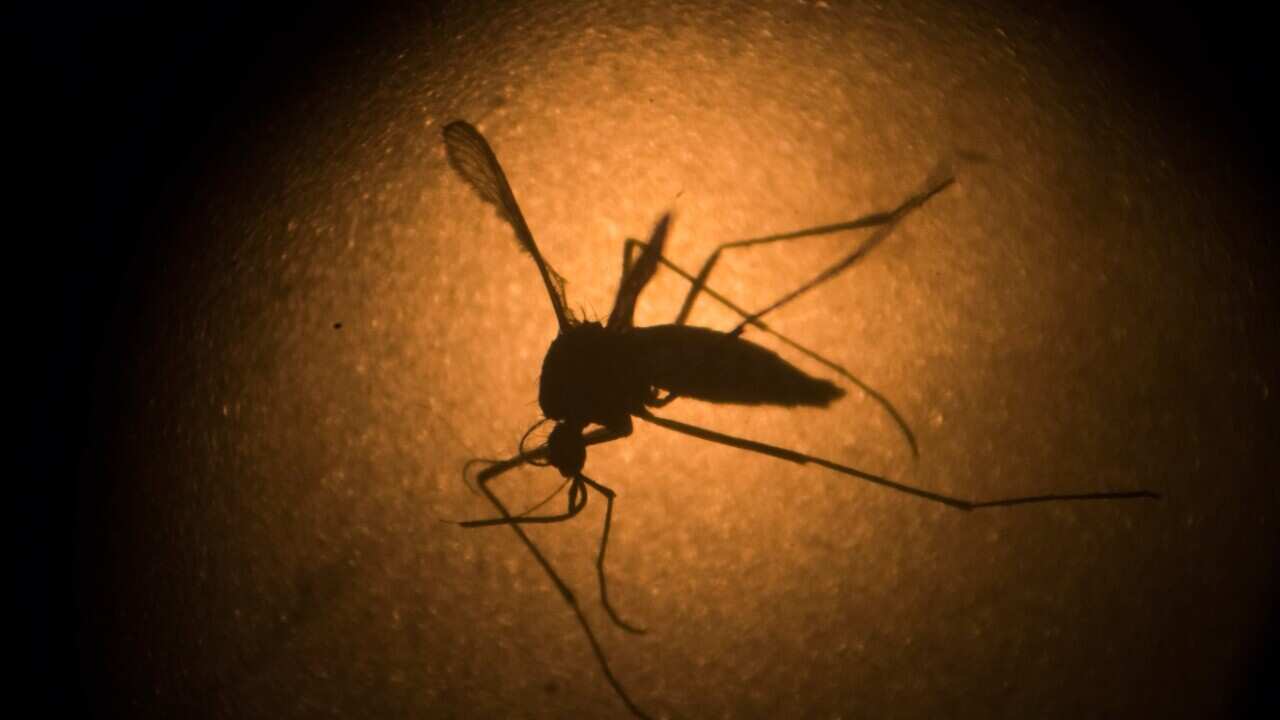
Australian scientists believe they've found a new and more effective way to cure people of malaria by stimulating the immune system to fight the disease.
Scientists from the QIMR Berghofer Medical Research Institute in Brisbane have developed a synthetic protein, called PD-L2, that completely cured mice of malaria.
The protein was discovered on the surface of a particular immune cell that plays a crucial role in fighting malaria infection - spread to humans by mosquito bite.
When humans and mice are infected with severe malaria, levels of PD-L2 decrease and so the T cells, essential to immunity, aren't being told to keep fighting the malaria parasites.
Once the researchers knew how important this protein was for fighting the disease they developed a synthetic version in the laboratory and gave three doses to mice infected with a lethal dose of malaria.
News that makes sense
Your trusted source for staying up-to-date with the world around you. Get free daily news updates and analysis, straight to your inbox.
"All of these mice were cured of the malaria," said Dr Michelle Wykes from the QIMR institute.
"About five months later, we reinfected the same mice with malaria parasites, but this time we didn't give them any more of the synthetic protein. All of the mice were completely protected and didn't become infected," she said.
According to the World Health Organisation, malaria killed an estimated 438,000 people in 2015. Most deaths are in young children and unborn babies.
There are drugs available that treat malaria, but emerging drug-resistance is becoming an increasing problem, especially in parts of southeast Asia.
The hope is this new discovery will lead to a more effective way to treat malaria long-term.
"This would be a completely new way of treating malaria by stimulating a person's own immune system to destroy the parasites.
"This branch of science - known as immunotherapy - is already showing very positive results for treating some cancers, and we hope that it will be just as successful for treating malaria," Dr Wykes said.







