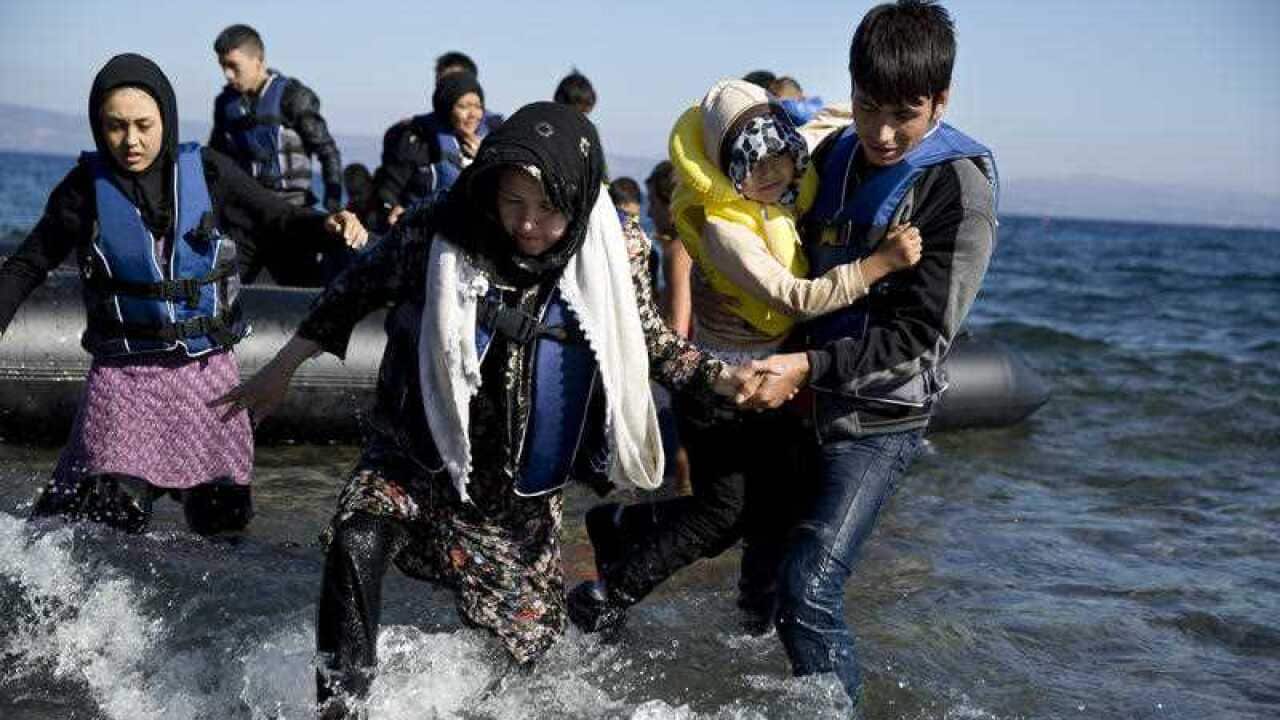
But she's told SBS none of what she saw there compared to the scenes she's witnessed on the Greek island of Lesbos where she is working with aid agency Medecins du Monde Greece.
"In terms of the amount of people and the injuries that we're seeing and how destitute they are, and the sad looks on their faces and the sheer shock of what they're going through. It's really sad," she said
Related reading
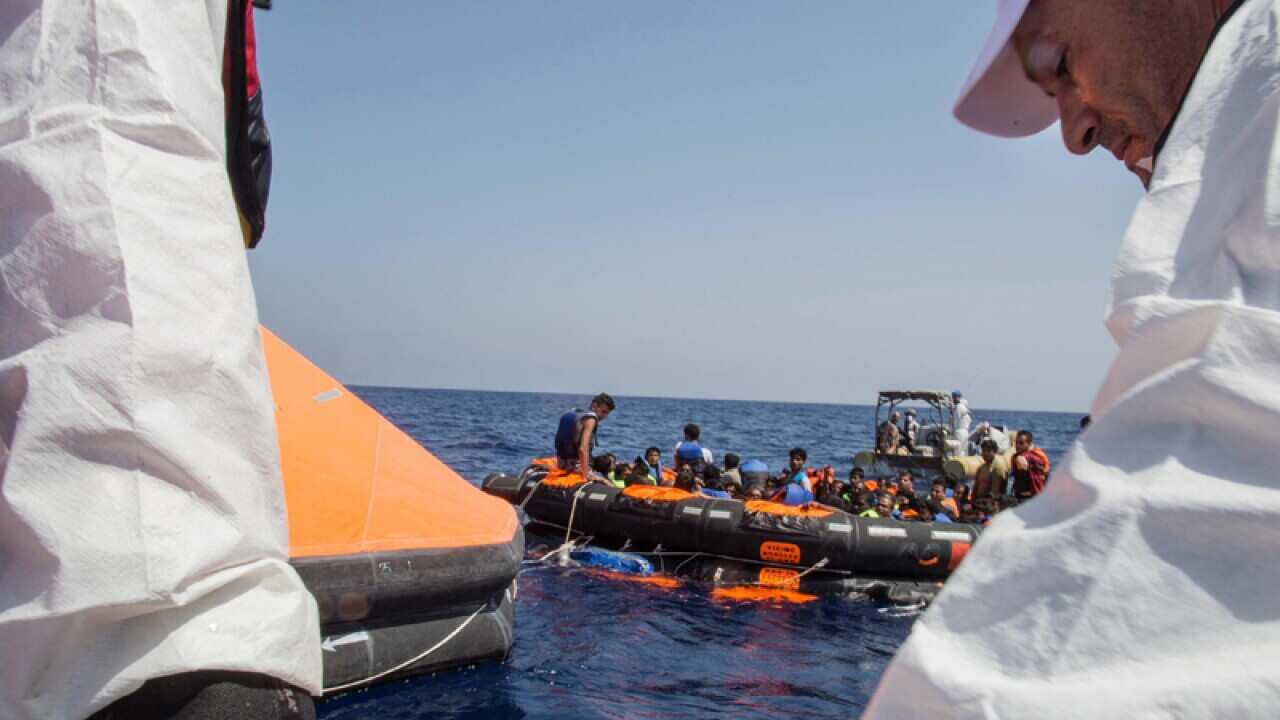
Bodies of 40 migrants wash ashore in Libya
Dozens of refugees including many children have died trying to make the short but perilous journey from Turkey to Greece's outlying islands in recent months, often in overcrowded inflatables.
More than half a million people, many of them fleeing Syria's civil war, have managed to reach Greece on that route on their way to central and northern Europe.
Ms Zahos said in recent days at least seven people had died, including two babies who died on arrival.
She said despite the tragedy of the stories, she's heartened by the response of many Greeks on the island who are doing what they can to help.
"People leaving garage doors open so they can shelter, handing out food, volunteering and making soup, and even handing out clothes. There was one man as we were bringing the boat that were running down with his own towels from home trying to dry children off."
European Union and Balkan leaders have agreed to a 17-point plan to manage the movement of refugees and migrants through the Balkan Peninsula.
Measures agreed on include 100,000 places in reception centres be made available along the route from Greece to Germany - half of them in Greece, and the other half in countries to its north.
European Commission President Jean Claude Juncker said it was also agreed that the EU's border agency Frontex would strengthen border management.
Share


