

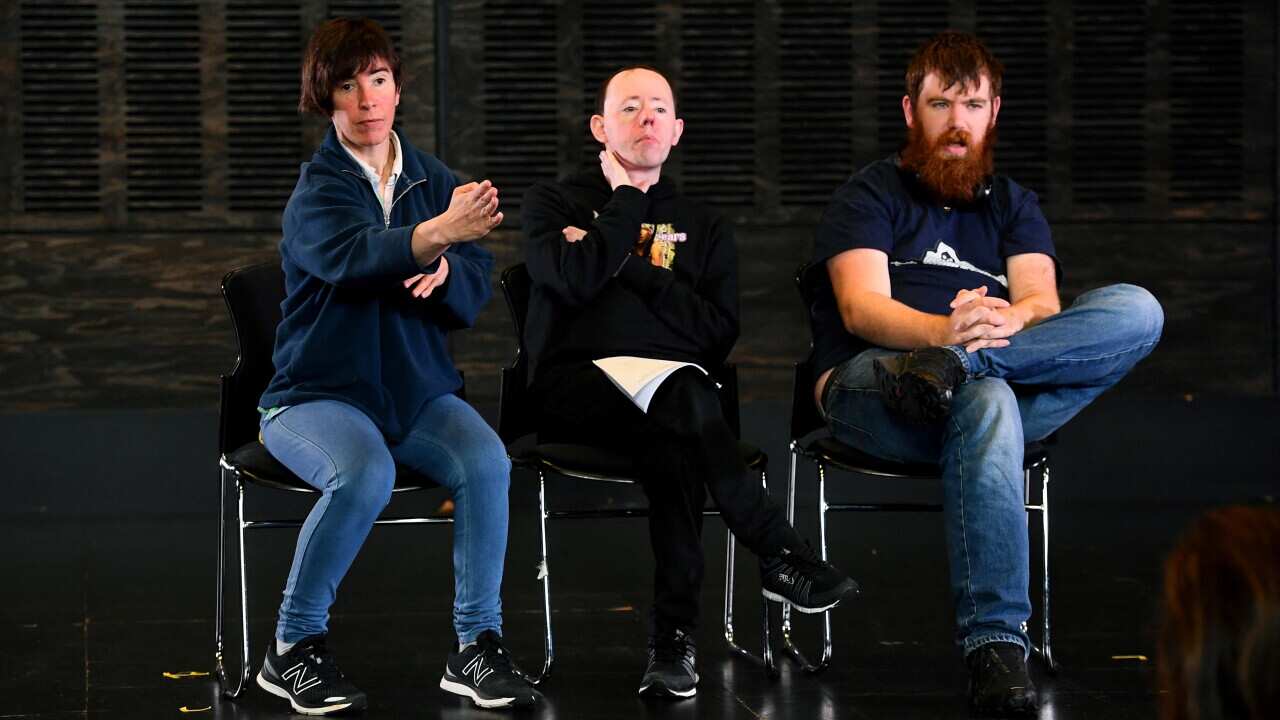
In a quiet room in Geelong, a group of actors with disabilities gather to rehearse for their first shows since winning a coveted award for the arts that is likened to a Nobel prize for theatre.
Back to Back Theatre is the only Australian company ever to have won the US$266,000 ($376,403) International Ibsen Award, with the selection committee saying they had "created some of the most memorable productions of twenty-first-century theatre".
All of Back to Back's actors are neurodiverse - a term that describes the idea that people displaying atypical behaviour or thought patterns, such as autism or attention deficit hyperactivity disorder (ADHD), should not be seen as deficient.
Back to Back's work embraces this diversity, and subverts audience expectations of it.
News that makes sense
Your trusted source for staying up-to-date with the world around you. Get free daily news updates and analysis, straight to your inbox.
Actor Scott Price, who has autism, said it was "a privilege winning an award after all my hardships I've been through at school", adding that it "probably tops" any other accolades the company has won.
In May, Back to Back will perform their play "The Shadow Whose Prey the Hunter Becomes" in Australia and Europe, the company's first overseas tour since the early days of the COVID-19 pandemic.
Price had never acted before he auditioned for Back to Back in 2007.
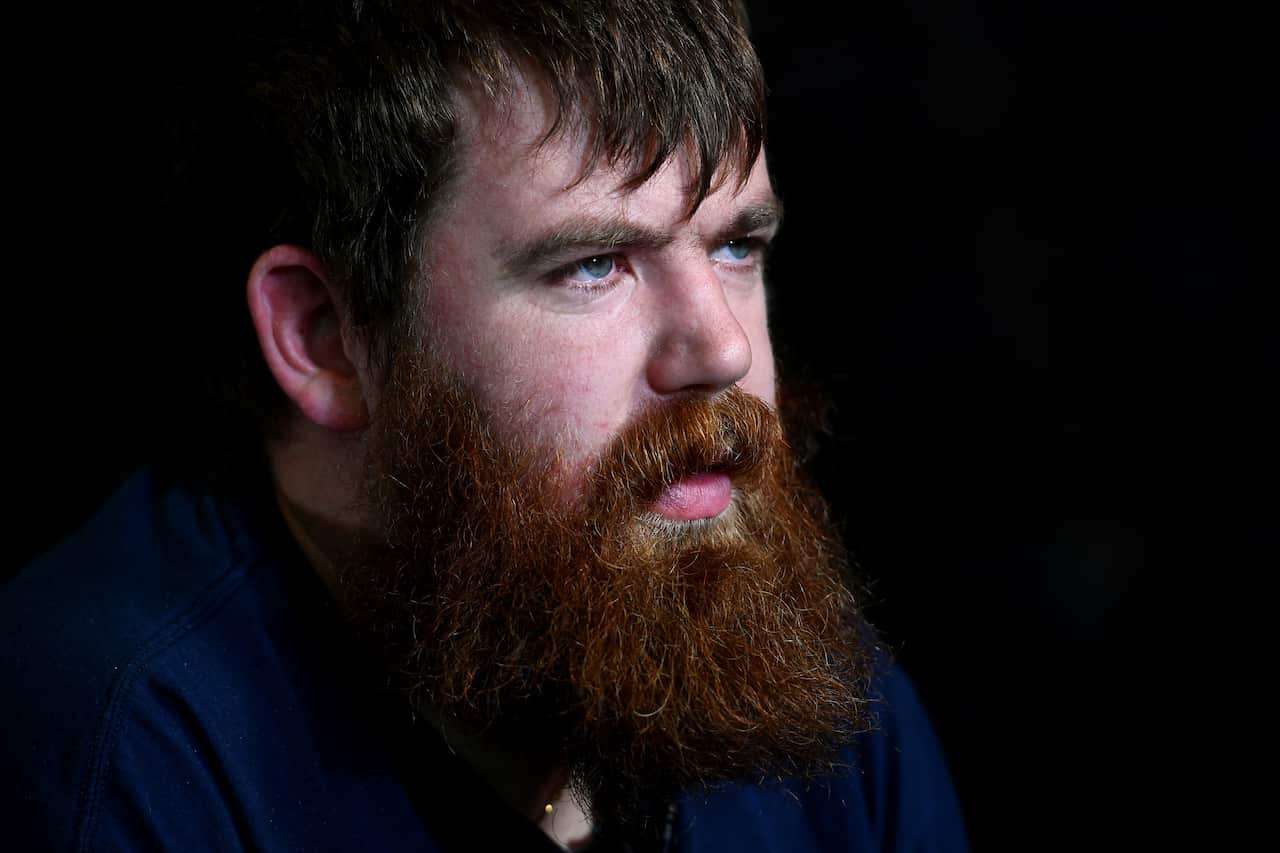
At first, he admits, he did not even want the job. Fifteen years on, however, things have changed.
"Now I'm a public figure and there's no turning back," he said.
Critical acclaim
The International Ibsen Award was only the latest praise for Back to Back, which over 35 years has built a name for itself as a theatre company willing to push boundaries.
Critics often describe its work as provocative and unafraid to make its audience uncomfortable.
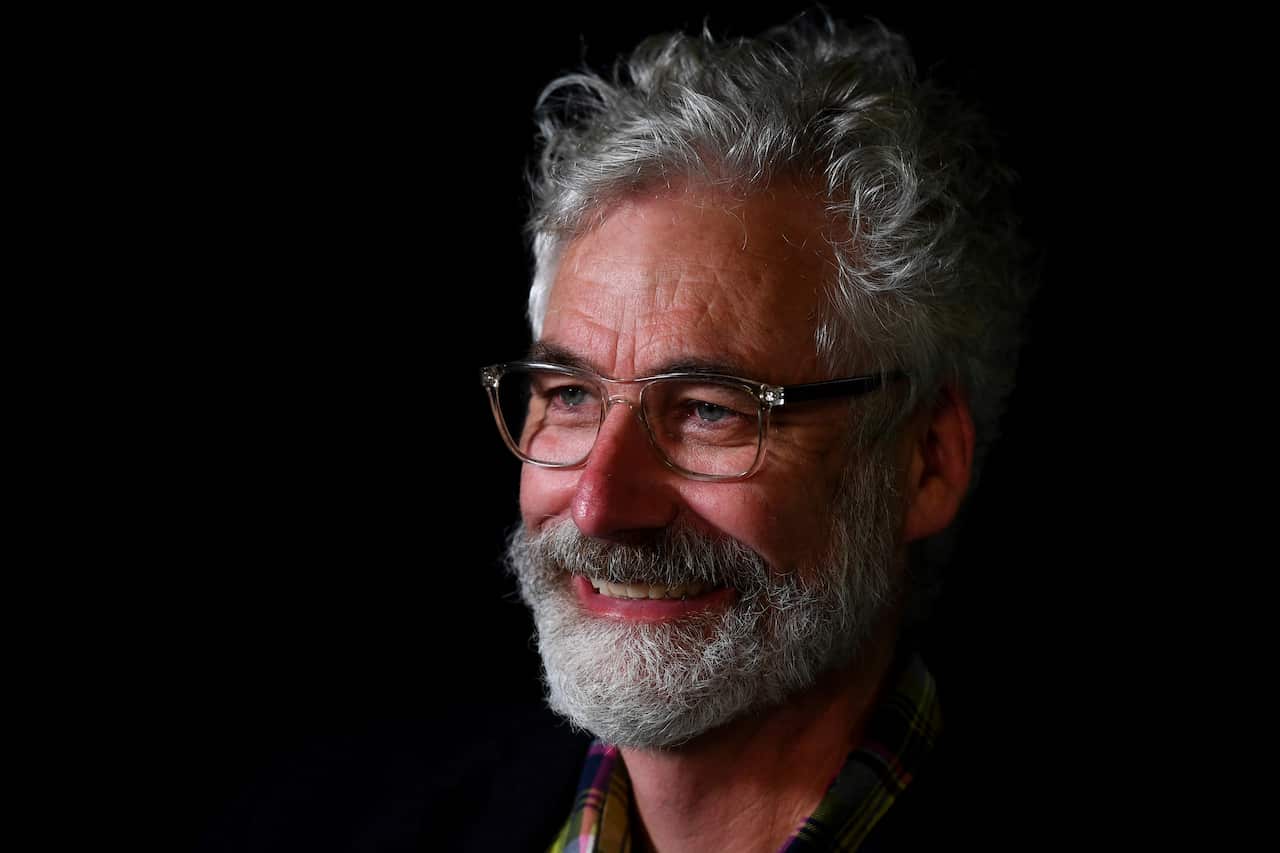
Artistic director Bruce Gladwin said this was by design.
"Sometimes [the audience] feel they are passive observers and we're really trying to draw them into the performance," he told AFP.
Back to Back's ensemble includes Price, Simon Laherty, Sarah Mainwaring, Mark Deans who has been with the company for 30 years, and Breanna Deleo the newest member, who first joined as a work experience student.
Gladwin said Back to Back offered Deleo a permanent spot "because she is a really incredible young performer".
Three decades of theatre
Back to Back began in Geelong in 1987, at a time when people with disabilities in Australia were being shifted out of institutions and back into their communities.
"Back to Back started running workshops with people with disabilities to give them access to the arts, and also employment within the arts," Gladwin said.
In Australia, less than a third of people with a disability are employed full-time, according to the central statistics bureau.
Price, who described himself as an advocate for the neurodiverse, had a clear message for the wider community: "Employ more people with disabilities."
"People with disabilities can do absolutely anything if they put their minds to it," he said.
Collaborative creation
As Back to Back's artistic director for the last 23 years, Gladwin has worked closely with the actors to create some of the theatre's most acclaimed productions.
Every new work begins with the actors improvising with one another, exploring ideas that are refined into a script over time.
"It actually comes from our hearts and minds," Price said.
During rehearsals for "The Shadow Whose Prey the Hunter Becomes", actors were still collaborating and adding new elements to the performance.
Huddled by the stage during a short break from running lines, Laherty and Gladwin discussed how the actor could draw on his personal experience for the role.
"They are really great observers of humanity," Gladwin said.