Reserve Bank of Australian Deputy Governor Phillip Lowe says the economic boom from high commodity prices over the past two decades is set to end.
"While we can't be sure, it is more likely that the terms of trade will decline from here rather than increase further from what is a very high level by historical standards. And in terms of Australia's demographics, the sweet spot is now behind us," Mr Lowe told a conference in Sydney this morning.
"We can no longer depend on a rising terms of trade and favourable demographics to make us richer."
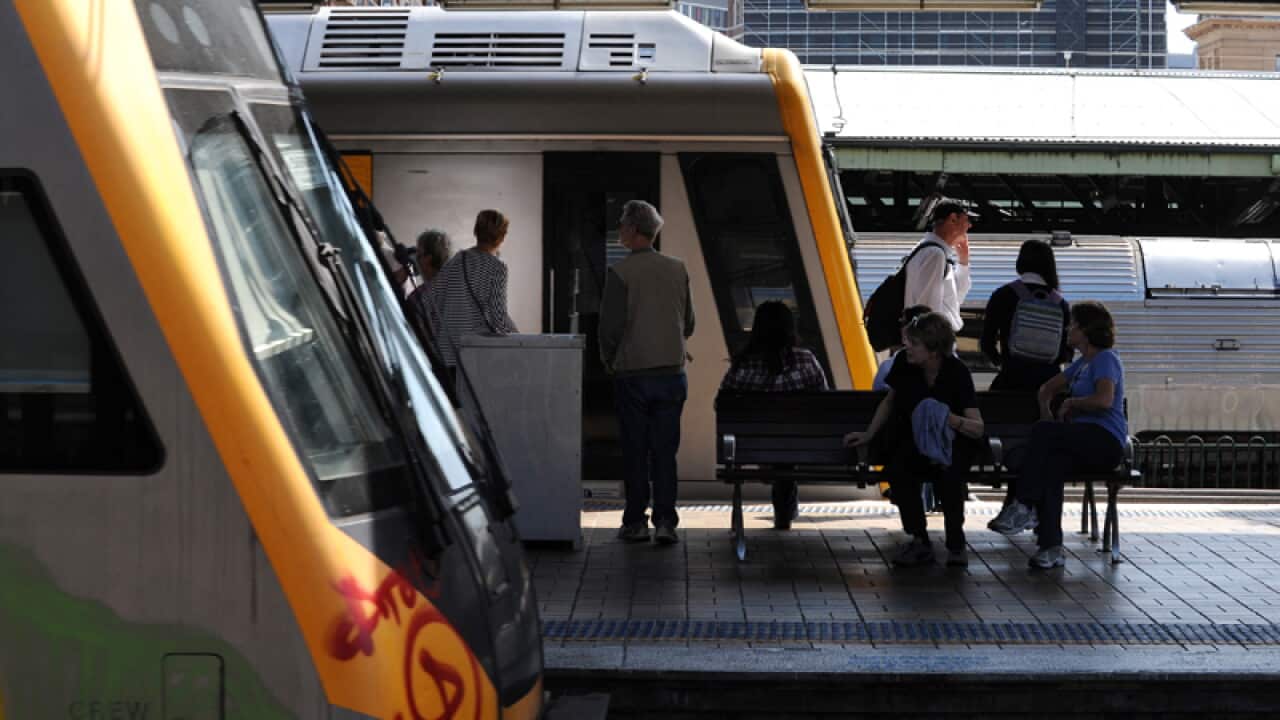
Mr Lowe says improving transport is crucial to economic growth and increasing Australia's economic competitiveness.
"I find it difficult to escape the conclusion that we are falling short in some areas, particularly in parts of our transportation system both private and public. Many of you have no doubt felt the frustration of moving around our cities," he said.
News that makes sense
Your trusted source for staying up-to-date with the world around you. Get free daily news updates and analysis, straight to your inbox.
"There can also be favourable social impacts through reducing travel stress and increasing the connectedness of communities. And there are environmental benefits as well."
Dr Lowe said better public transport also helped ease the cost of housing.
"When housing prices are high, it is largely because land prices are high. And, land prices are high when there is a shortage of well-located land," he said.
"We cannot do much about the physical supply of land, but investment in transportation infrastructure by making it easier to move around the city can increase the supply of well-located land.
"This means that underinvestment in transportation networks tends to put upward pressure on housing costs," he said to an International Association for Research on Income and Wealth (IARIW) and University of New South Wales (UNSW) Conference.
Dr Lowe said improved transport would increase productivity and improve people's lives.
"Given these various effects, my own view is that there are significant opportunities for additional investment in transportation infrastructure and for using the existing infrastructure more efficiently," he said.







