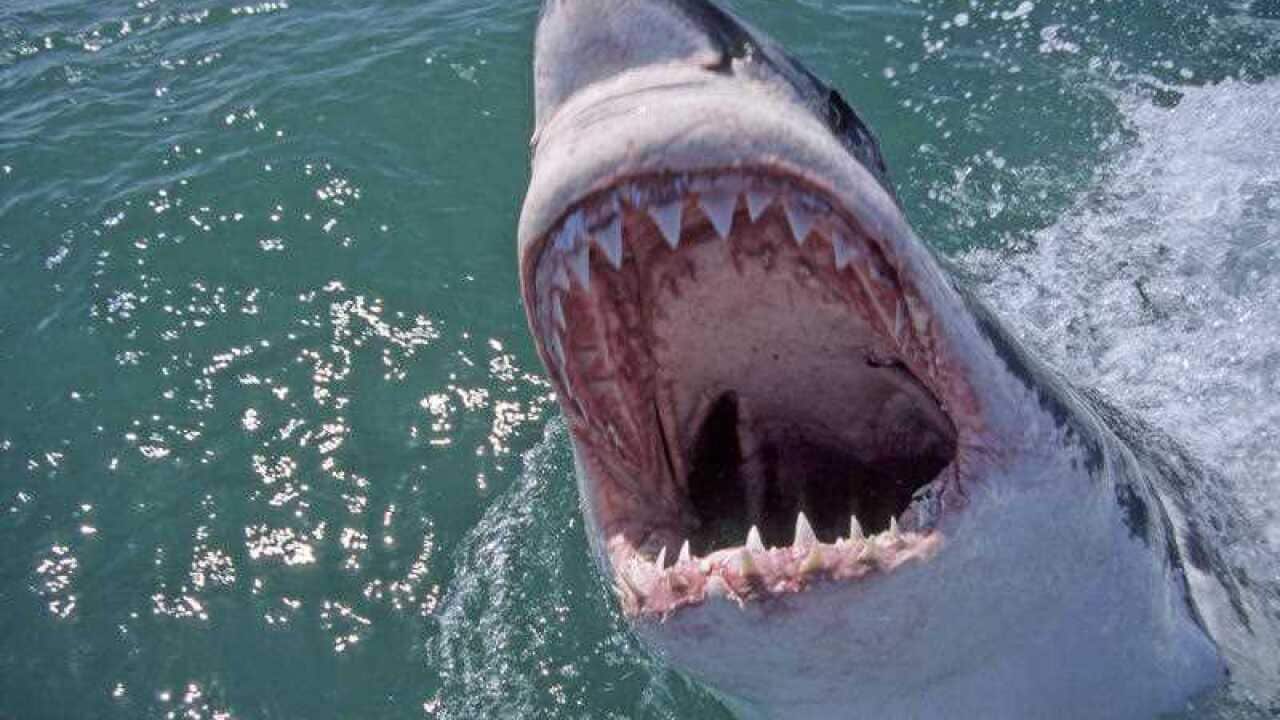
NSW beach-lovers who are afraid to go back in the water should not expect new shark protection measures to be fully implemented in time for summer, the state government says.
But NSW Premier Mike Baird says he will do "everything possible" to have trials underway within months.
Shark experts from Australia, South Africa and the US gathered in Sydney on Tuesday to compare technologies designed to protect surfers and swimmers.
There have been 13 shark attacks in NSW so far this year, up from three in 2014, and one surfer has been killed.
News that makes sense
Your trusted source for staying up-to-date with the world around you. Get free daily news updates and analysis, straight to your inbox.
The government has already responded to a spate of high-profile attacks on the NSW north coast with a $250,000 shark-tagging program and an independent review of detection and deterrence technologies.
Mr Baird, a keen surfer who represents the beachside Sydney electorate of Manly, told reporters outside the summit at Taronga Zoo that keeping beachgoers safe was an "absolute priority".
But he said he would be guided by scientists, not intuition, in determining how that should be done.
"Obviously there are things we need to weigh up, but we are going to do everything possible to get the trials underway this summer," Mr Baird said.
Beaches around Sydney, Newcastle and the Central Coast are protected by shark nets, but there is no meshing on beaches in the far north.
"We're seeing some of the toughest people on the planet up there - that take on some of the biggest, most treacherous waves without even blinking - in a position where they're now very fearful to go into the water," Mr Baird said.
"So part of our job is to help bring confidence back to the community."
Primary Industries Minister Niall Blair has ruled out a wholesale cull of great white sharks, which are protected under NSW law.
The DPI's top shark biologist Vic Peddemors told reporters he believed beachgoers wanted a more environmentally-friendly approach than old-fashioned nets.
"We feel that they have been effective but they do have obvious by-catch issues," Dr Peddemors said.
He said the aim was to protect people "with minimal impact on the environment".
Any technology introduced would also have to stand up to the tough NSW coastal conditions - large swells, frequent storms and constantly moving sand.
Research from the University of Sydney found more than 80 per cent of residents in Ballina and Byron Bay - where recent attacks have occurred - want the government to focus on non-lethal technologies.
Christopher Neff, who led the research, said lethal drumlines - like those in place along the Gold Coast - were the least-favoured option.
He said most residents surveyed believed the primary purpose of lethal shark protection measures was to boost tourism or calm community fears, rather than genuine public protection.
Watch Insight at 8.30pm on SBS, which explores the increase in shark encounters and asks whether it's safe to go back in the water.







