Watch FIFA World Cup 2026™

LIVE, FREE and EXCLUSIVE starting June 12 2026

Bali's Mount Agung spews orange lava in fresh eruption

A volcano on the Indonesian island of Bali erupted Monday, belching a plume of ash 2,000 metres (6,500 feet) high as bright orange lava cascaded from its summit.

There's a volcano slumbering beneath the Victorian capital of Melbourne. But what does it mean for residents?
There's a volcano slumbering beneath the Victorian capital of Melbourne. But what does it mean for residents? Source: AAP

Last week, the tropical island temporarily shuttered the airport and grounded hundreds of flights after Mount Agung erupted.

Indonesia's geological agency said the latest eruption of Agung about 9:00 pm local time (1300 GMT) lasted more than seven minutes and incandescent lava descended some two kilometres from its crater.
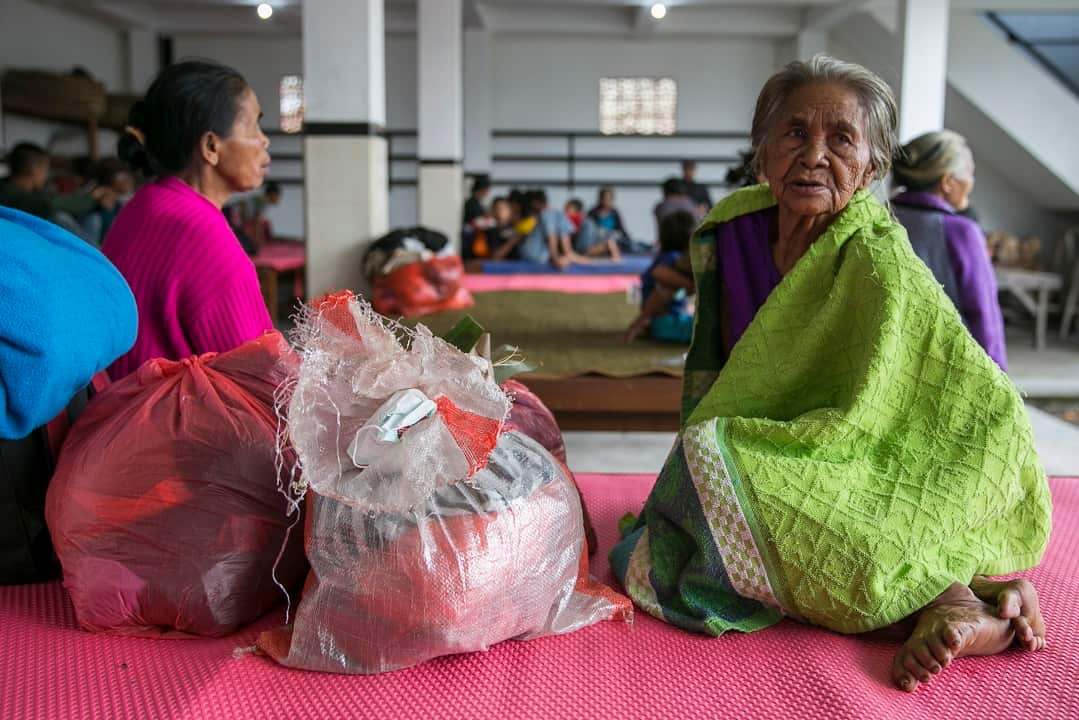
Evacuees stay at an emergency shelter in Karangasem, Bali, Indonesia.
Evacuees stay at an emergency shelter in Karangasem, Bali, Indonesia. Source: AAP

There is a four-kilometre no-go zone around Agung.

News that makes sense

Your trusted source for staying up-to-date with the world around you. Get free daily news updates and analysis, straight to your inbox.

By subscribing, you agree to SBS’s terms of service and privacy policy including receiving email updates from SBS.

It remained on alert level, the second highest danger warning, while the holiday island's Ngurah Rai airport stayed open.

An earlier eruption in November stranded thousands of tourists and pounded Bali's lucrative tourism industry, the backbone of its economy.

Ash is dangerous for planes because it makes runways slippery and can be sucked into their engines.

Agung, about 70 kilometres from the tourist hub of Kuta, has been erupting periodically since it rumbled back to life last year.

Tens of thousands of locals fled to evacuation centres after last year's activity.

The last major eruption of Agung in 1963 killed around 1,600 people.

Indonesia is situated on the Pacific "Ring of Fire", a vast zone of geological instability where the collision of tectonic plates causes frequent quakes and major volcanic activity.




2 min read

Published

Updated

Source: AFP, SBS


Share this with family and friends


Get SBS News straight to your inbox

Sign up now for daily news from Australia and around the world. You can also subscribe to Insight's weekly newsletter for in-depth features and first-person stories.

By subscribing, you agree to SBS’s terms of service and privacy policy including receiving email updates from SBS.

Follow SBS News

Download our apps

Listen to our podcasts

Get the latest with our News podcasts on your favourite podcast apps.

Watch on SBS

SBS World News

Take a global view with Australia's most comprehensive world news service

Stream now

Watch the latest news videos from Australia and across the world





