Bangladesh's highest court halted the killing of an Islamist 90 minutes before he was to become the first person executed for war crimes committed during the country's bloody independence fight.
Supreme Court chamber judge Syed Mahmud Hossain stopped the execution of Abdul Quader Molla, a senior leader of the Jamaat-e-Islami party described by prosecutors as "the Butcher of Mirpur", until 10.30am Wednesday local time (2.30pm AEDT), the court registrar said.
"The execution has been halted pending a hearing on Wednesday," the registrar told AFP.
Molla was convicted of rape and murder, including the killing of more than 350 unarmed Bengali civilians, committed during the Bangladesh's 1971 independence war against Pakistan.
Defence lawyer Shishir Munir said they were seeking a last-minute review of Molla's execution order as the country's constitution enshrines rights for a death-row convict to have his appeal heard in the Supreme Court.
News that makes sense
Your trusted source for staying up-to-date with the world around you. Get free daily news updates and analysis, straight to your inbox.
Bangladesh's secular government had earlier said it would go ahead with the execution at one minute past midnight - despite a global outcry over the lack of a right to appeal.
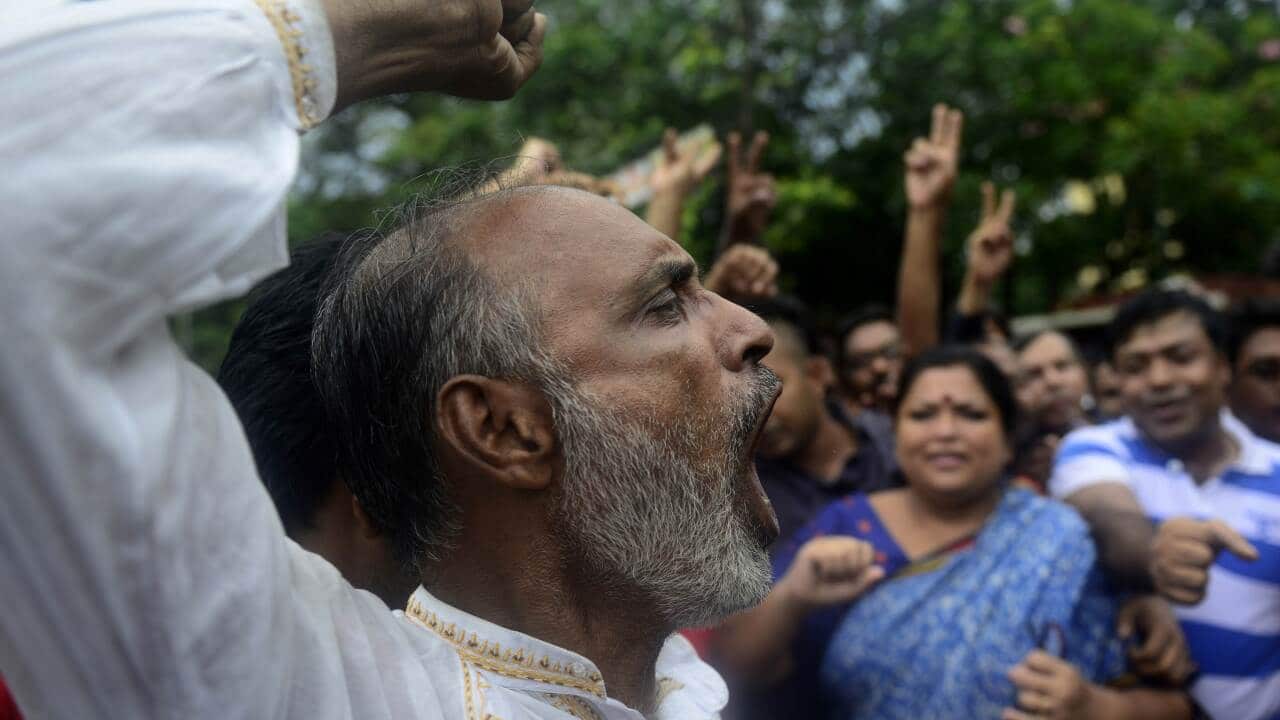
Observers worry that Molla's execution could trigger massive protests in the country, plagued by unrest that has left at least 224 people dead since January in clashes between opposition protesters, police and government supporters.
New York-based activist group Human Rights Watch and two UN Special Rapporteurs have warned that by executing Molla without giving him the opportunity to appeal for a review, the country could be breaking international law.
A domestic war crimes court had originally sentenced him to life imprisonment in February but the sentence prompted protests by tens of thousands of secular demonstrators, who viewed it as too lenient.
Under pressure, the government amended the war crime law retroactively to allow it to appeal the sentence and seek the death penalty, which the Supreme Court handed down in September.







