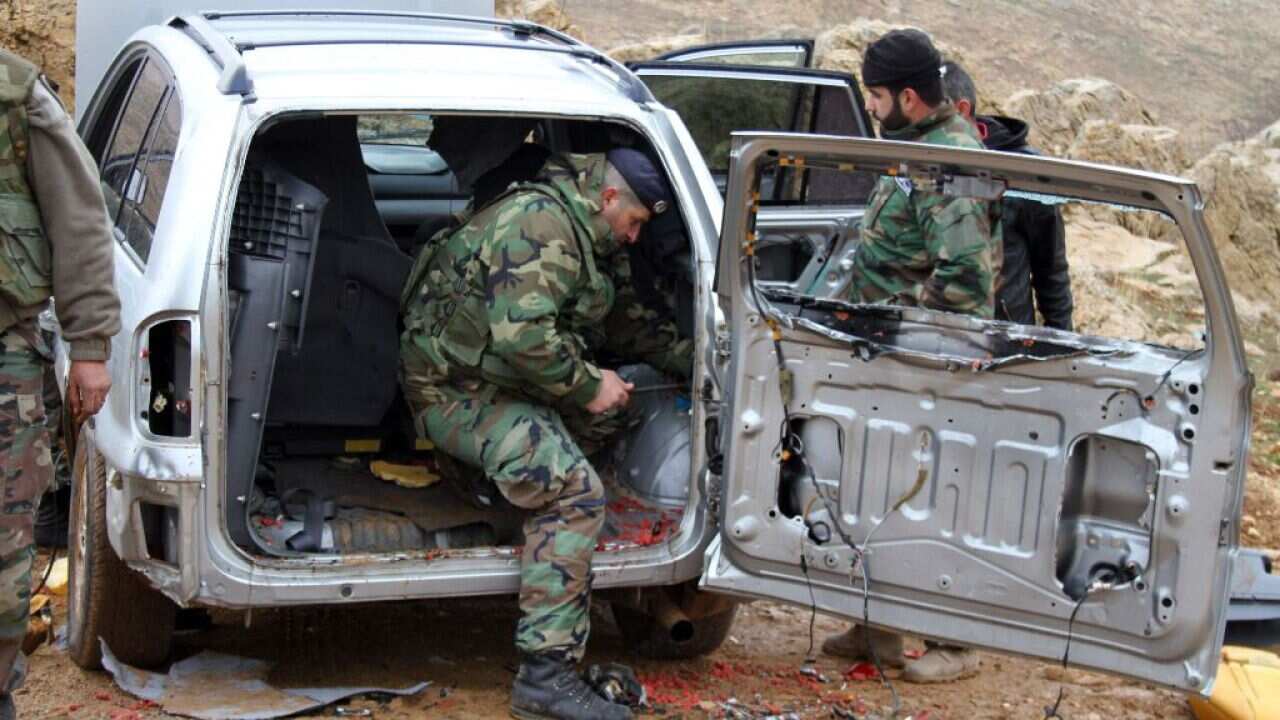
The Lebanese have long been known for their resilience – their ability to pick up the pieces and continue life as usual after yet another bombing.
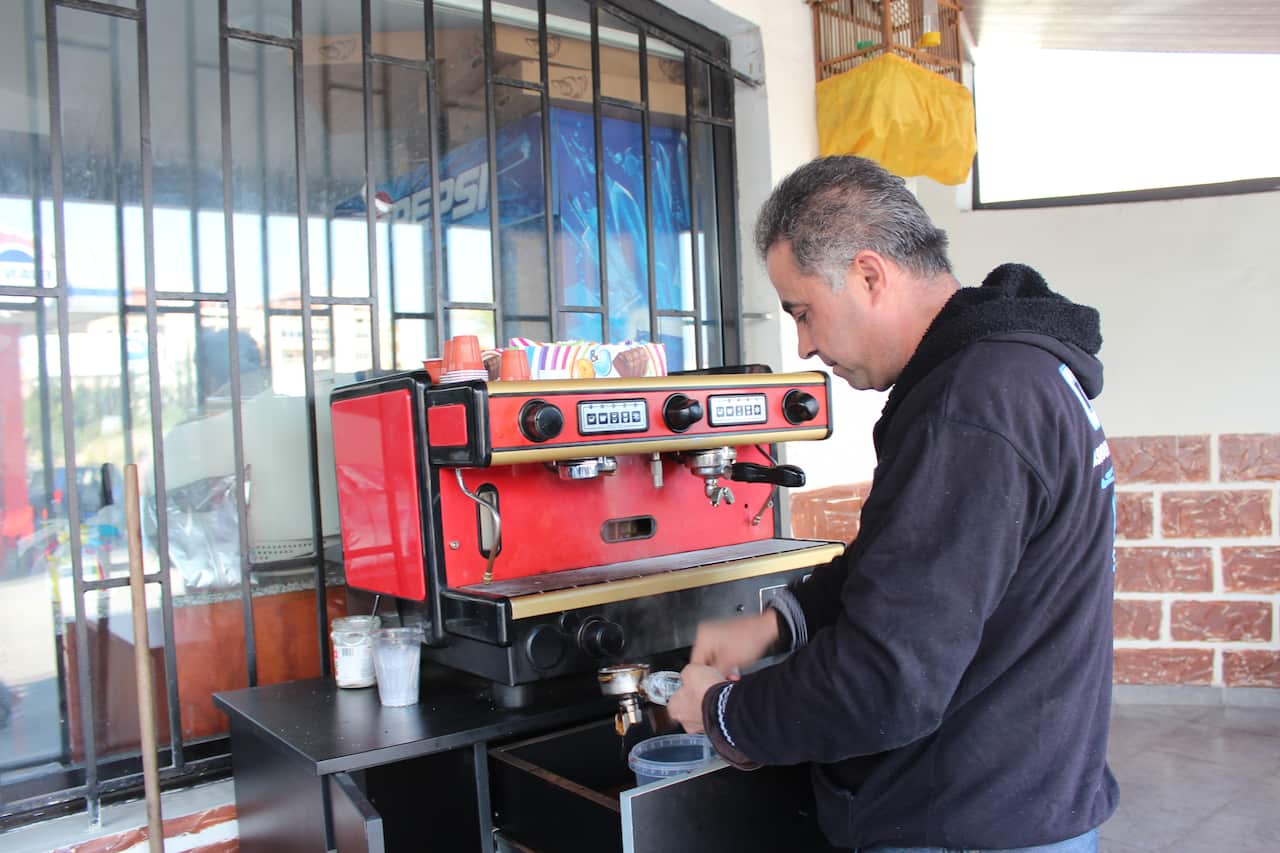
For coffee shop owner, Marwan Akil, such a sentiment rings true.
On Monday, February 3 he was making coffee for a group of customers as a suicide bomber blew himself up in a passenger van in the southern suburbs of Lebanon’s capital, Beirut.
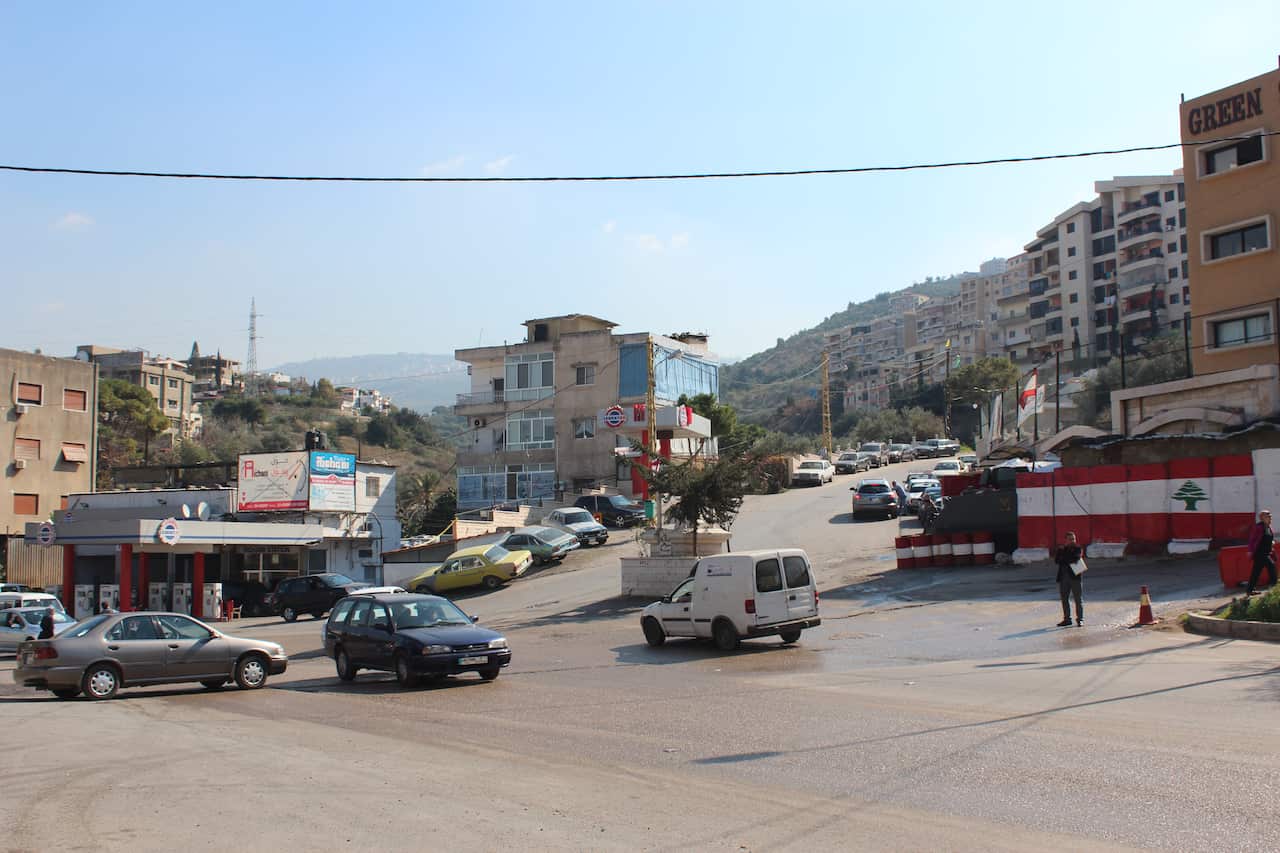
The blast, which took place during the evening rush hour in the Choueifat district, happened merely 20 metres from his hole-in-the-wall coffee shop, next to a petrol station.
“I heard a big noise and suddenly it became so misty,” he said.
News that makes sense
Your trusted source for staying up-to-date with the world around you. Get free daily news updates and analysis, straight to your inbox.
“I didn’t know what it was. I just heard women screaming and saw so much smoke. There was no body of the man – his parts were spread out everywhere across the road and his head actually became detached and hit the fifth floor of an apartment close by.”
While the blast happened in Choueifat – traditionally a Druse neighbourhood – it is adjacent to a Shiite area, among which Hezbollah draws its strong support base.
The attacks on Shiite areas are understood to be retribution for Hezbollah’s armed intervention in Syria and its backing of Bashar al-Assad.
It appeared to be the latest in a string of attacks in the nation’s capital, which has, along with the rest of the country, been increasingly drawn into the conflict in Syria, along sectarian lines.
The incident didn’t cause the massive carnage that others have in recent months, such as the double bombing in the northern city of Tripoli, which killed 47 last August and the attack on Iran’s Embassy in Beirut, which killed at least 25 last November. Despite this, the familiarity of public transport that thousands of Lebanese use everyday was enough to hit a cord with locals and drivers alike.
Despite the blast occurring next to his shop, Akil has continued to serve coffee everyday since – but the customers are far and few between.
“In the aftermath, people are afraid of the bomb site,” he said as he made coffee for his brother.
“No one comes here anymore for coffee because they are afraid. This is not ethical, it is not right. We just want this all to stop. No matter what religion you are, it is not ethical. I wish the Syrian war wouldn’t spill over into Lebanon.”
Others however question how the Lebanese can continue to pick and up the pieces and carry on with their lives.
“There was a time where I felt that was something positive, which allowed the Lebanese people to continue and persevere despite all the daily horrors they face,” Gino Raidy, a young Lebanese blogger, recently wrote of Lebanon’s instability.
“Today though, I’m not sure about that anymore. I don’t think it’s healthy for a society to remain so un-phased in the face of such horror.”
At a women’s clothing store across the road from the blast site in Choueifat, shopkeepers were just as frustrated.
“Everything is getting worse,” a shopkeeper, who asked to remain anonymous, said.
“No one has come here in the last week. We just sit around doing nothing. Insha’Allah (God Willing) things will get better.”
A former Lebanese army officer and now taxi driver, who only gave his first name, said he expected Lebanon’s instability to get worse as the Syrian war continued.
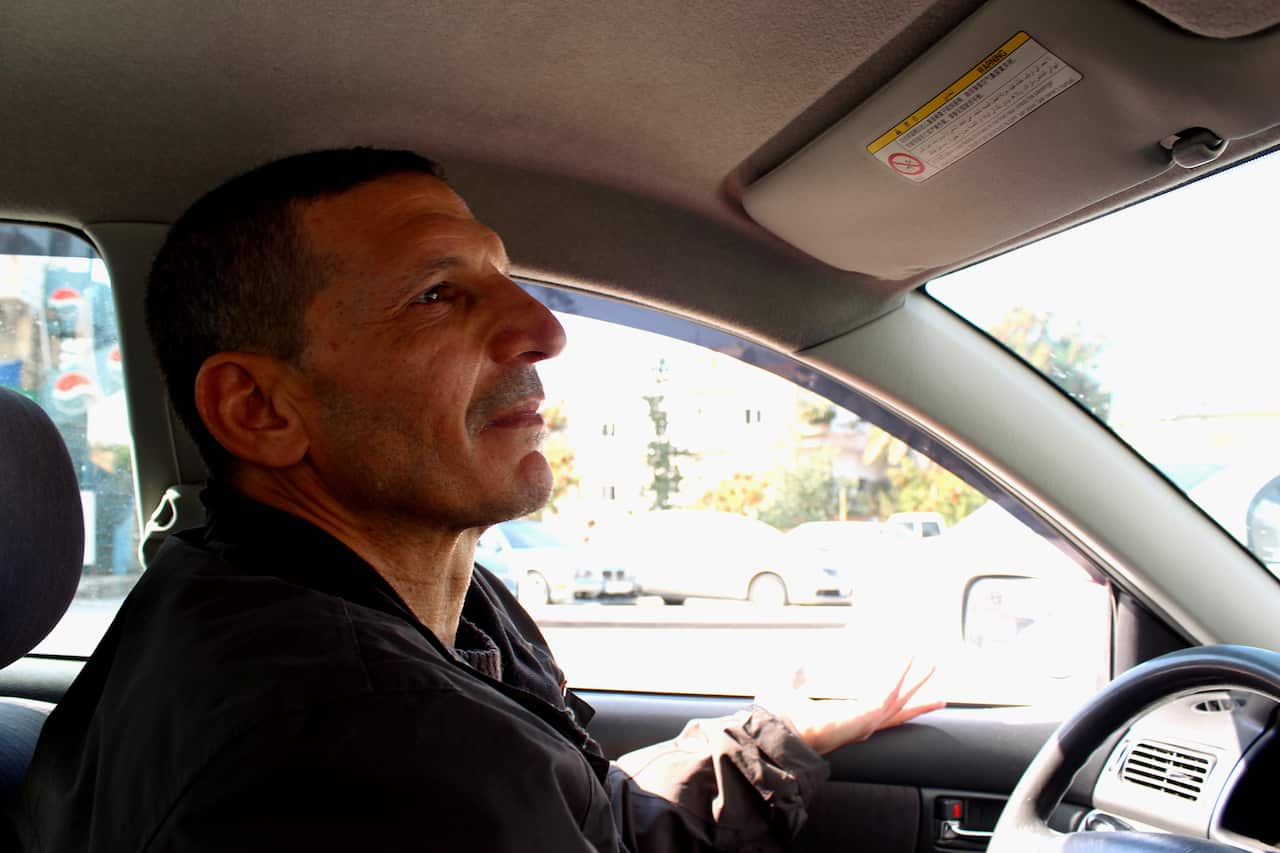
“Problems lead to problems. Action leads to reaction. I guess that interference in the Syrian crisis reflects many problems in Lebanon,” he said as he drove.
“There is a fire outside, let’s go away from that fire and keep it alone. The Syrian war is exaggerating Lebanon’s problems. In my opinion, there is no solution. We are too connected to groups of other people such as the Israelis, Palestinians and Syrians.”







