
The two parties with the most votes will contest a runoff on October 18, with Harvard-educated Tshering Tobgay, 52, hoping for a second consecutive term as prime minister.
But the keen mountain-biker's People's Democratic Party (PDP) faces a tough challenge from the Druk Phuensum Tshogpa (DPT), winner of Bhutan's first election in 2008, and two other parties.
The 800,000 inhabitants of Switzerland-sized Bhutan got television in 1999 and democracy arrived only in 2008 when its "dragon kings" ceded absolute power.
But it has tried to shield itself from the downsides of modernisation, striving for Gross National Happiness, being carbon-negative and keeping tourist numbers down with a daily fee of $250 per visitor in high season.
Opinion polls are banned and analysts are thin on the ground but an observer told AFP that the PDP had an edge over its handling of the economy, with growth strong and unemployment low.
Corruption, rural poverty, youth unemployment and the prevalence of criminal gangs remain challenges, however.
"I think the core issues in 2018 are the same as 2013 and 2008 -- the economy, rural development, infrastructure and, to some extent, tourism," Tenzing Lamsang, editor of The Bhutanese daily, told AFP.
Bhutan is heavily dependent on its neighbour India for aid, infrastructure investments, imports and as an export market, in particular for electricity it generates using hydroelectric power.
Read More
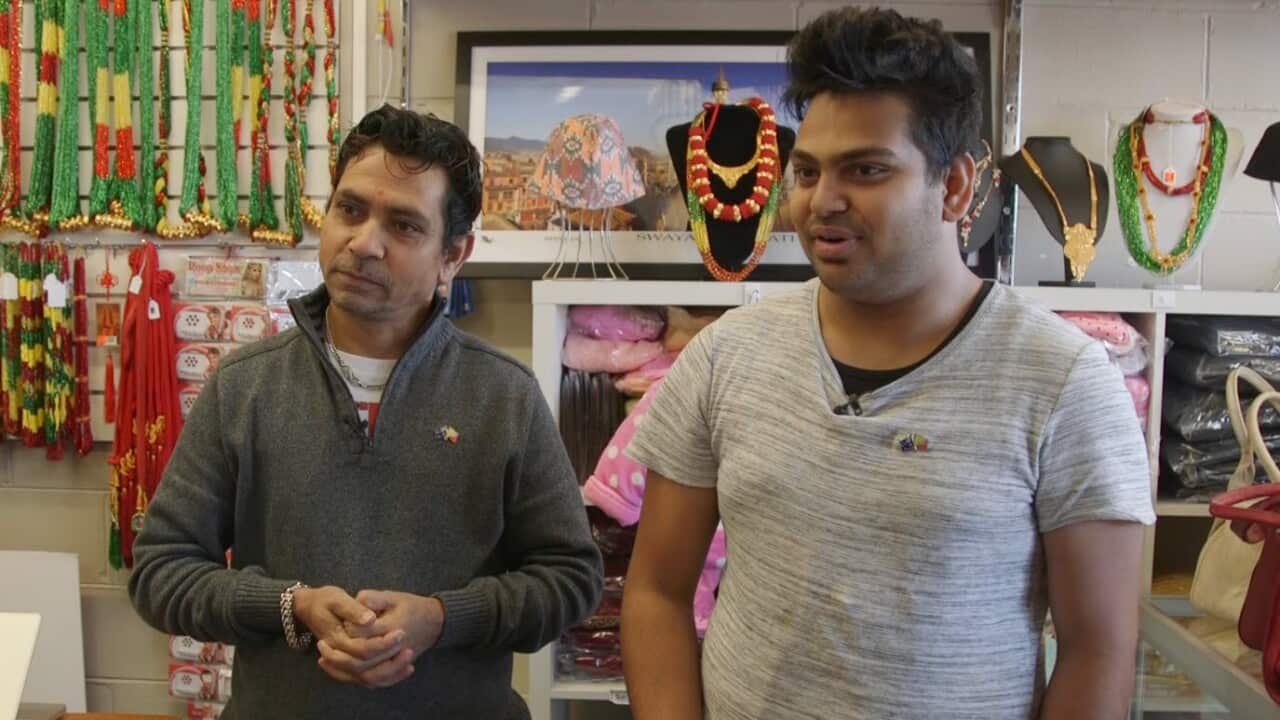
A bit of Bhutan in Tasmania
During the last election campaign in 2013 India abruptly withdrew subsidies for kerosene and cooking gas imports, in what was seen as an attempt to ensure a change of government.
India is unhappy about China's growing influence in Bhutan. Last year India and China became embroiled in a military standoff over the Doklam plateau high in the Himalayas claimed by both China and Bhutan.
India itself does not claim the territory but has a military presence in Bhutan. It stepped in to prevent Chinese border guards from building a road there, prompting Beijing to accuse it of trespassing on Chinese soil.
Share


