(Transcript from World News Australia Radio)
The federal government has approved the biggest increases in health insurance premiums in almost a decade.
From April next year, insurance premiums will go up an average of 6.2 per cent.
There increase is causing concern that many Australians could abandon private health insurance placing more pressure on the already stressed public system.
Amanda Cavill reports.
(Click on audio tab to listen to this item)
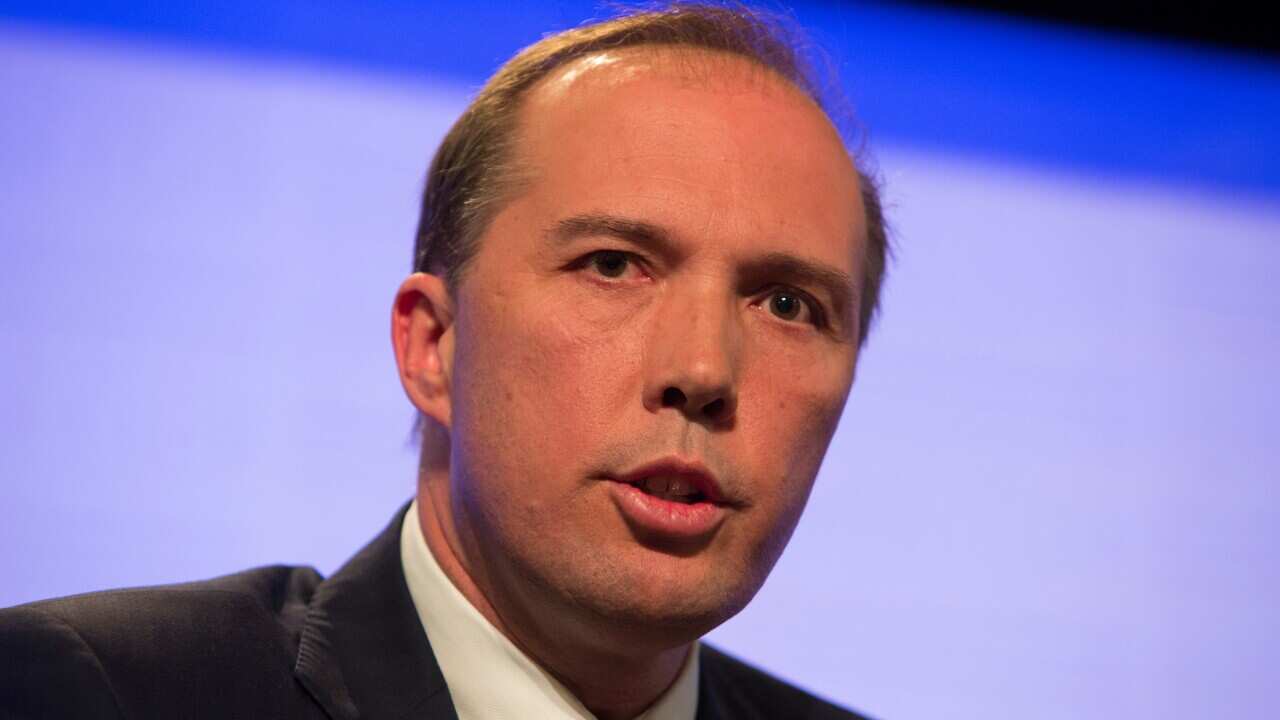
Federal Health Minister Peter Dutton has approved the increases, blaming the previous Labor government for putting pressure on the sector.
Last year, Labor approved an average rise of 5.6 per cent.
The latest increase is expected to push up premiums by an average of almost four dollars a week.
Mr Dutton says the number of claims rose more than expected over the past year and the overall cost of benefits paid out jumped by eight per cent.
He says the premium increase will help insurers absorb the increased costs.
Federal opposition health spokeswoman Catherine King says when Labor was in power it tried to ensure the lowest possible premium increases.
She says she fears the increase could turn people away from private health insurance.
"I am concerned that with government pursuit of the privatisation of Medibank Private this current increase of 6.2 per cent, the largest in almost a decade, that what we will start to see potentially is less competition, more pressure on premiums and potentially people start to leave private health insurance and that obviously put pressure on the public hospital system"
Matt Levey, from the consumer group, Choice, says he's concerned about the increase which will apply to all of Australia's 34 private health insurers.
Mr Levey has told the ABC he understands the industry is facing increasing demand, but some consumers will struggle to maintain their coverage.
"They've pointed to increases in the amount the industry is paying out, and we do know there's a lot of demand on the health system. But one thing we know is that this increase won't be welcome. It's running well ahead of the Consumer Price Index. It's actually larger than the increase that consumers saw in this year. So certainly it's going to be pressuring some household budgets. "
Choice advises consumers to compare policies to ensure they are getting a competitive price, review extras cover and check for discounts for paying in advance.
Consumers Health Forum spokesman Mark Metherell says the increase is well above inflation again and he's questioned the timing of the announcement.
"Doing it just before Christmas however doesn't seem to be giving many families a very good Christmas present. The two hundred and fifty dollar a year increase would buy a child a pretty decent Christmas present I would have thought."
Former federal secretary of the Health Department Stephen Duckett says health insurance premium pricing is complex.
Mr Duckett says the rising cost of medical technology and the ageing population puts pressure on the funds' costs.
And he's told the ABC there's there's no evidence that premium increases are likely to force more people from private hospitals into the public health system.
"There's not been much evidence of that over the last decade or so. About 100 thousand people, health insurance coverage increases by about 100 thousand a year for the last decade and so the number of people taking out insurance has gone up."
The increase comes as the government weighs up when, and whether, to proceed with the scrapping of means-testing of the health insurance rebate.
Under measures that came into effect last year, singles earning about $88,000 and families earning more than $176,000 no longer get the full rebate.
Singles earning more than $130,000 and families with an income of twice that amount, do not get a rebate at all.
During the election campaign Prime Minister Tony Abbott said he would scrap the means-testing within a decade.
Removing the means-testing of the rebate would cost almost $3 billion over the next four years.