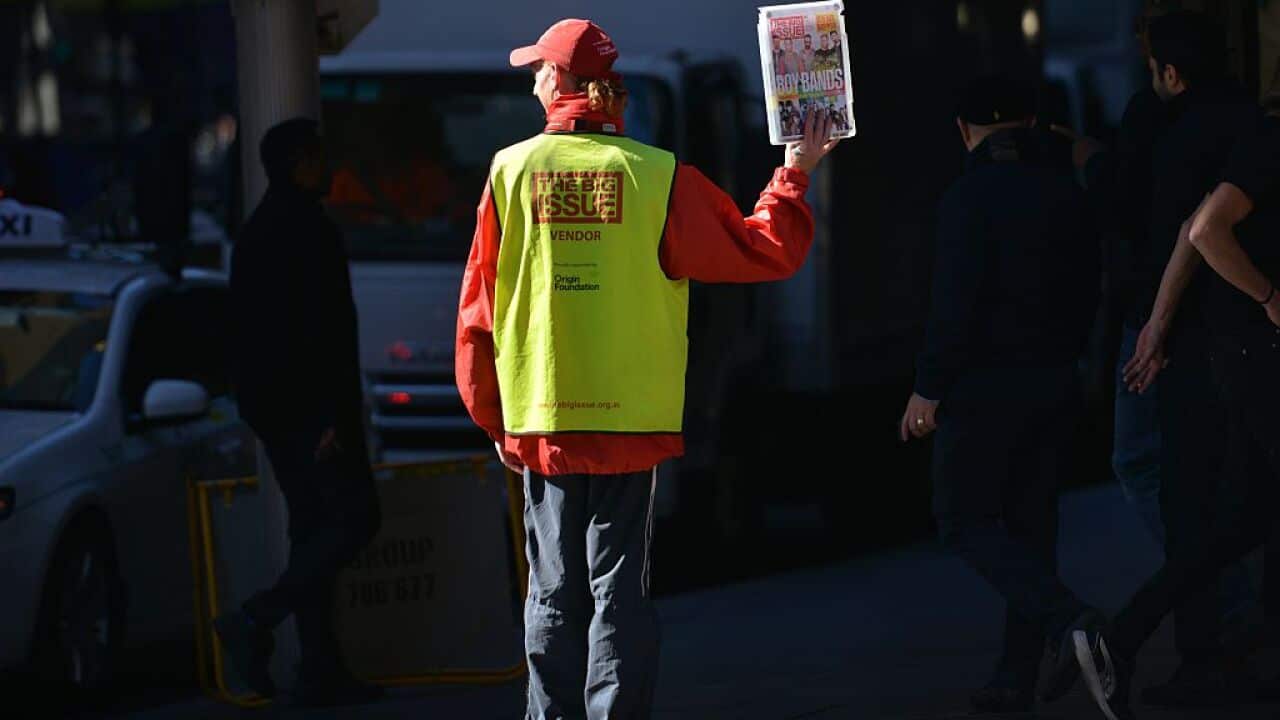
Today marks 20 years since the first Australian edition of The Big Issue magazine was sold on the steps of Flinders Street Station in Melbourne.
The fortnightly magazine is sold on streets around the country by the homeless and other disadvantaged people, who pocket half the $7 price of each issue.
For Melbourne vendor Paul, that money has been life-changing.
“I'm not homeless anymore,” he told SBS.
“I’ve got somewhere to live now, thanks to The Big Issue."
News that makes sense
Your trusted source for staying up-to-date with the world around you. Get free daily news updates and analysis, straight to your inbox.
Melbourne Lord Mayor Robert Doyle donned a yellow high-vis vest and sold a few copies outside Flinders Street Station.
He said the magazine’s strength was that it gave disadvantaged people a chance to work, rather than charity.
“Something that's not a handout - something that's employment, that you can feel connected to - is both educative for the public, but also uplifting for the people who are part of The Big Issue,” the mayor said.
Around the country, other city mayors were selling copies of the extra-length anniversary edition. Malcolm Turnbull recorded a brief video message wishing the social enterprise a happy birthday.
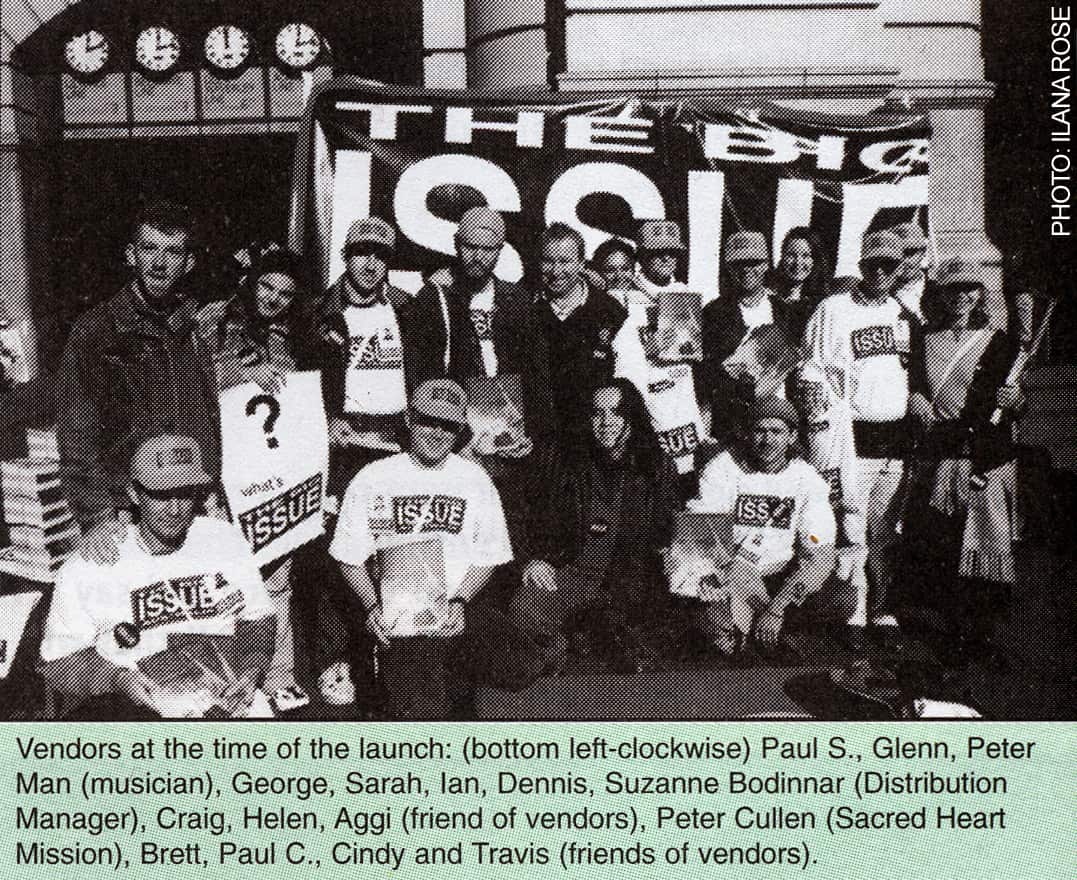
In the 20 years since The Big Issue’s inception, 6,500 men and women have earned $23 million selling the magazine. Today, there are more than 500 vendors selling regularly.
But for vendor Craig Smith, it’s not just about the money. Long days interacting with pedestrians on the street has given him “self-esteem” and “self-confidence”, he told SBS.
“You get more motivated when you're doing it, because you've got a routine to get up in the morning.”
The Big Issue’s national manager Sally Hines says she’s seen that motivation in other vendors.
“Many of our vendors still have mental ill health. They may be battling addictions, long-term unemployed, intellectual and physical disabilities . . . but what unites them is this desire to make a positive change in their lives, and a desire to work and to be part of the community,” she said.







