IN BRIEF
- The Census is free and compulsory for everyone in Australia on 11 August, including non-Australian citizens.
- Information collected by the ABS is strictly confidential and cannot be shared with any government agency.
In 2021, more than 25 million Australians shared information about their personal lives, families, and occupations as part of the Census of Population and Housing.
Data collected by the Australian Bureau of Statistics (ABS) painted a detailed picture of the nation's diversity.
Almost half of all Australians had a parent born overseas, and more than 400 languages were spoken, including over 180 Indigenous languages.
On Tuesday 11 August, people will again be asked to share information about their lives for the 2026 Census.
The questionnaire is compulsory for everyone in Australia on Census night, including international visitors, refugees and migrants.
News that makes sense
Your trusted source for staying up-to-date with the world around you. Get free daily news updates and analysis, straight to your inbox.
Here are some of the most common Census myths and questions — and what an expert says about them.
Is the Census a test?
Emily Walter, a Census national spokesperson at the ABS, said there are misconceptions that the Census is a test or graded assessment tool.
"This is a self-reported questionnaire ... so, the right answer is always what represents you the best and who you are," she told SBS Examines.
The more honestly people answered, the more accurately the data reflected Australia's population, she added.
"It's really important that we understand how our cultural makeup is changing and everyone's individual responses contribute to that ... [and] provides the opportunity for local services to be provided."
Can government departments see my Census answers?
Information collected during the Census cannot be shared with police, immigration agents or any other government departments.
By law, personal information, including names and addresses, must be separated from other Census data.
After the Census, names can be retained for up to 18 months, and addresses for up to 36 months.
The ABS has spent years assessing the privacy, security and processing of its data, with all information collected during the Census protected under the Census and Statistics Act.
What is Census information used for?
The Census is often referred to as a national headcount or a snapshot of the nation, but it's used to inform funding for essential services like schools, hospitals, libraries and public transportation.
Walter said people's responses influenced the location and availability of English classes for newly settled migrants, which "help them then build their language skills and support them through applying for jobs or driver's licences or all of the things that you need to support yourself".
She added that Census responses cannot be used to make a person attend English language classes.
Is the Census in English?
The Census must be completed in English; however, information about the survey is available on the Census website in 26 languages.
The Translating and Interpreting Service (TIS National) also provides access to interpreters who speak more than 150 languages.
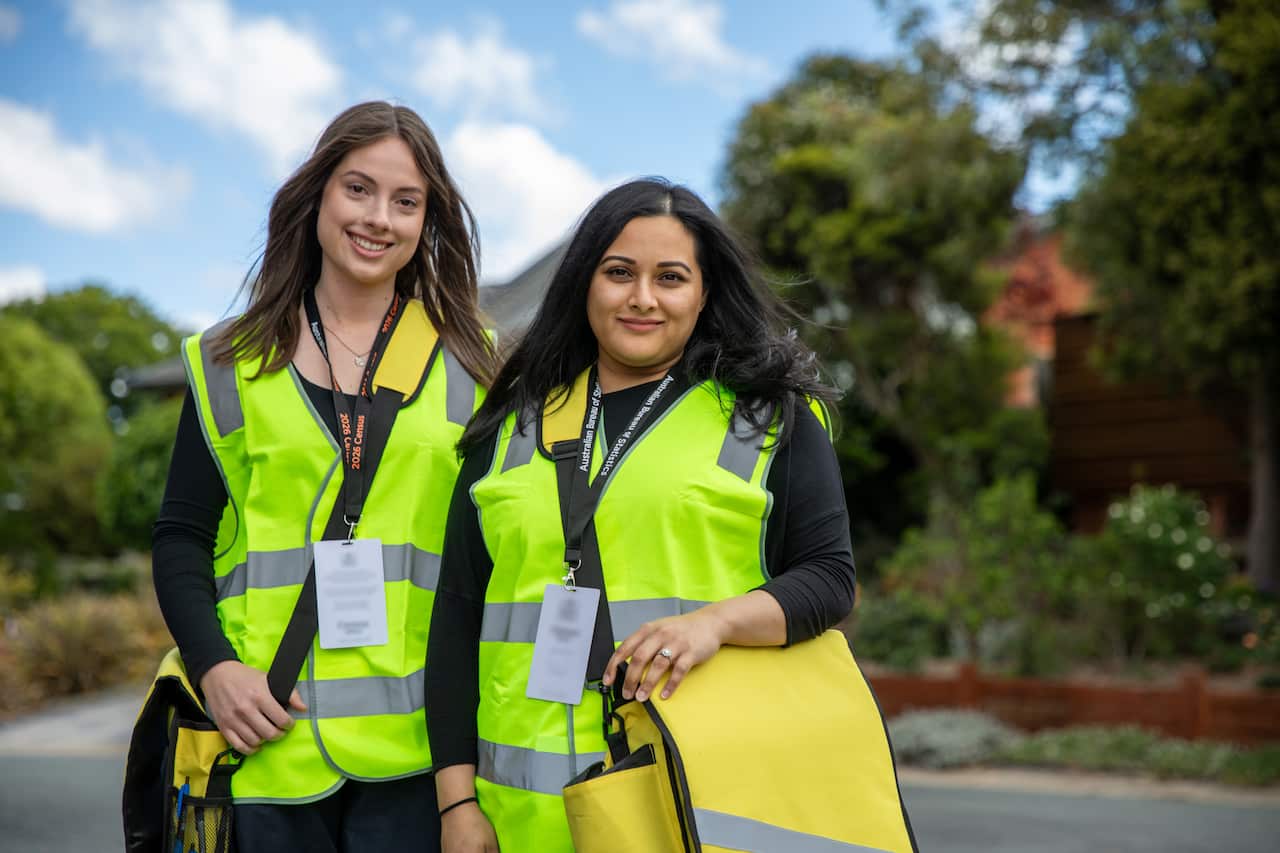
The ABS said it has employed around 30,000 field staff to ensure people from culturally and linguistically diverse backgrounds, Aboriginal and Torres Strait Islander communities, and parts of regional and rural Australia can complete the form.
The Census can be completed online or on paper, if requested.
How many forms do you get per household?
Generally, one person will complete the Census for everyone in the household on 11 August.
The Census can be completed before this date if individuals know where they will be on Census night.
If a person wants to complete the Census separately from their household, they can call the Census Contact Centre, which will provide login details to complete the form online or via paper.

If more than one Census form is submitted for the same person, the ABS keeps the questionnaire with the most complete information about the person.
Walter said this process allows people to "return their information separately and privately, and they don't need to let the household know that they've done that".
"So when we think about that sort of concern about being targeted and not being comfortable, particularly for the religion question and also the gender and sexual orientation questions, there is a 'prefer not to answer' category so people can choose that."
For the latest from SBS News, download our app and subscribe to our newsletter.







