The Abbott government is promising a long-awaited code of conduct with Indonesia will lead to unprecedented intelligence sharing between Indonesia and Australia.
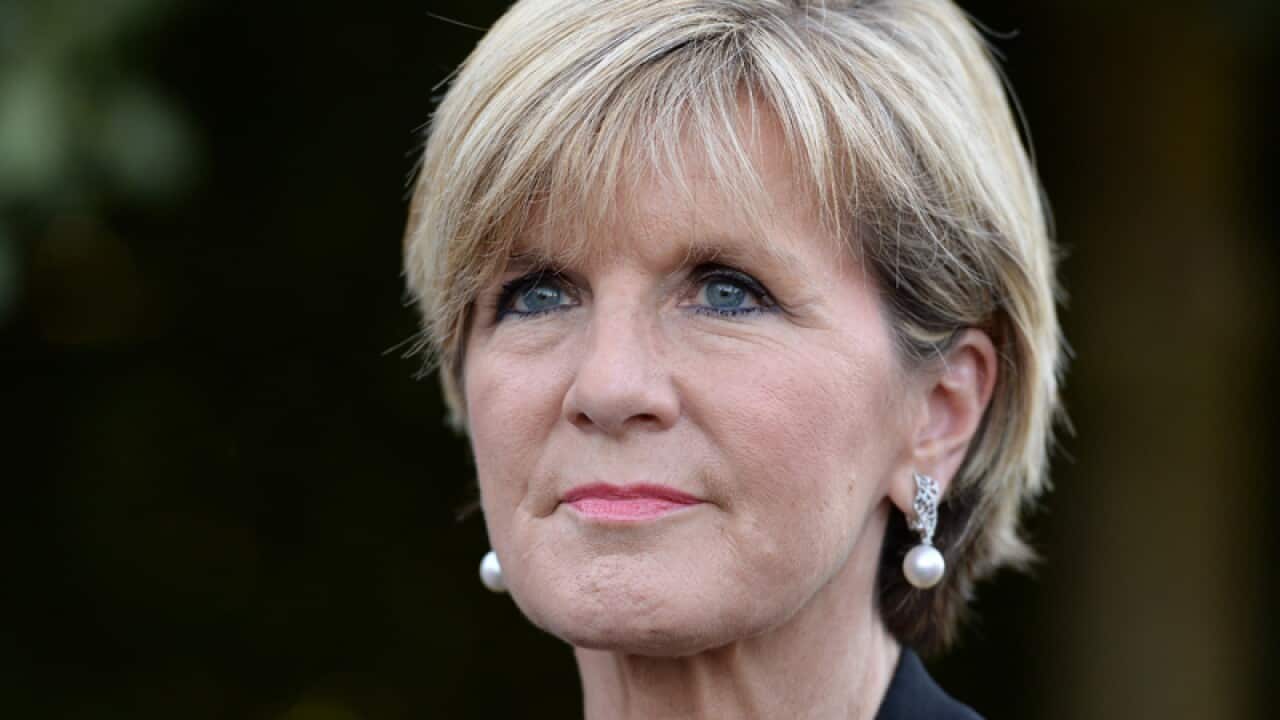
Foreign Minister Julie Bishop is heading to Indonesia to sign the joint understanding with her counterpart Marty Natalegawa on Thursday, almost a year after ties were strained by a spying scandal.
Indonesia suspended co-operation on people smuggling, defence and intelligence sharing with Australia after revelations Canberra spied on President Susilo Bambang Yudhoyono, his wife and inner circle.
The agreement broadly stipulates that both nations won't use their intelligence resources to harm the other's interests.
Far from reverting to normal, Ms Bishop claims the code will in fact elevate Australia's security ties with Indonesia to a new level.
News that makes sense
Your trusted source for staying up-to-date with the world around you. Get free daily news updates and analysis, straight to your inbox.
"This will lay the groundwork for even greater cooperation in the area of intelligence sharing," she told parliament on Wednesday.
"Indeed, our intelligence agencies will be coordinating at a higher level than ever before, including in relation to the issue of foreign fighters."
ASIO boss David Irvine agreed, adding the long and close co-operation between Australia and Indonesia on police and intelligence matters had not been impacted by the recent strains in the relationship.
"It's never really been interrupted. It will continue," he told the National Press Club.
Although intelligence and police cooperation has been officially frozen, the neighbours have been acting against the threat of Islamic State (IS) terror in tandem.
As Prime Minister Tony Abbott this month announced scaled up counter-terror laws, Dr Yudhoyono officially outlawed Indonesian support for IS to counter a small swell of support for the group.
Indonesia's National Counter-terrorism Agency (BNPT) Jakarta bureau chief Anwar Sanusi says the new agreement with Australia can only help intelligence sharing in the region.
However, he stresses the political situation has never impeded cooperation on matters as critical as terrorism.
"Counter-terrorism is different to political matters," he told AAP on Wednesday.
"That's why we are continually cooperating with many countries like the US, Russia, France, China, and others including Australia, so that there's no space for terrorism in this world."
The federal government says about 160 Australians are fighting with terrorist groups in the Middle East, while Indonesia suspects around 60 of its citizens are involved.
Australia is discussing expanding joint counter-terrorism and law enforcement measures with a number of regional partners also grappling with the threat of home-grown terrorism and radicals returning from foreign battlegrounds.







