
This article contains graphic descriptions.
It's been almost 15 years since David Pearson was bitten by a shark on NSW's Mid North Coast, but he still can't withstand pain — great or small — without potentially passing out.
"I've crushed my thumb and passed out," the surfer tells SBS News.
"I broke my ribs in the surf and nearly passed out in the water."
It's just one of the lasting ways the attack has changed Pearson's life, despite his best efforts to put the incident behind him.
News that makes sense
Your trusted source for staying up-to-date with the world around you. Get free daily news updates and analysis, straight to your inbox.
The 62-year-old was forced to relive his memories again last week when there was a fatal shark attack just north of Crowdy Head, where he was attacked in 2011.
"It just makes you feel sick," Pearson says.
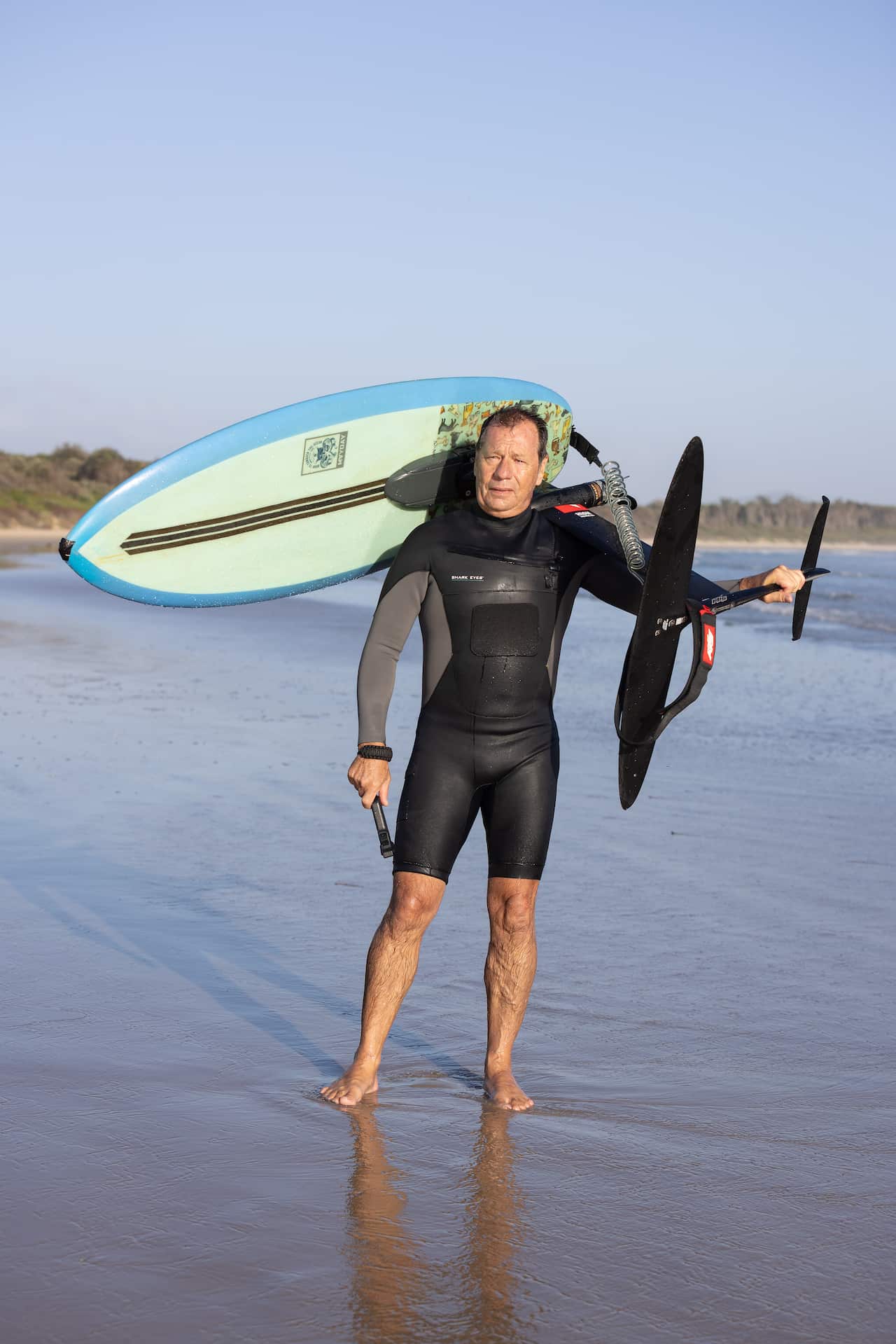
"Obviously, you think about your attack and how lucky I was that I didn't die, but then all of the other stuff that you go through comes back to you as well."
Pearson says "all of the other stuff" — the stress that comes with being attacked by an apex predator — is what drove him to found the support group, Bite Club.
He says around 95 per cent of Bite Club's members have been bitten by a shark, but there are also three who have been attacked by a lion, three by bears, two by leopards, three by hippopotamuses, two by dingoes, and many others who've been bitten by crocodiles or alligators.
Pearson has even supported someone who almost died after being bitten by a blue-ringed octopus — which injects neurotoxins via a bite rather than a sting — and was struggling to enter the water again.
"I'll talk to anyone … if I can help someone have a better day."
Getting back in the water is just the beginning
The afternoon Pearson was attacked — on 23 March 2011 — started off as a "normal afternoon" at Crowdy Head.
Pearson had been surfing along the NSW Mid North Coast for decades, and that Wednesday, he was eager to use a surfboard he had bought the day before.
He caught three waves and was paddling out again when a shark came up from the water "with quite a bit of speed", on the right-hand side of his board.
Its jaw grabbed hold of Pearson's left arm, which had been moving to the front of his body as he was paddling.
"My left arm went into its mouth and its top jaw came down and ripped my forearm muscle off … and did a fair bit of tendon damage in my hand and wrist.
"Then it flipped out of the water and took me down to the bottom with it.
We spent a few seconds down the bottom having a bit of a wrestle around, and it let go of me.
Pearson swam back to the surface and sat on his surfboard, trying to tuck the muscle and skin of his arm back in place.
He yelled at another surfer nearby to get out because the shark was still swimming beneath him, and the water was "going red with blood".
"It was then that I got hit by a number of waves and I realised I was drowning and about to die."
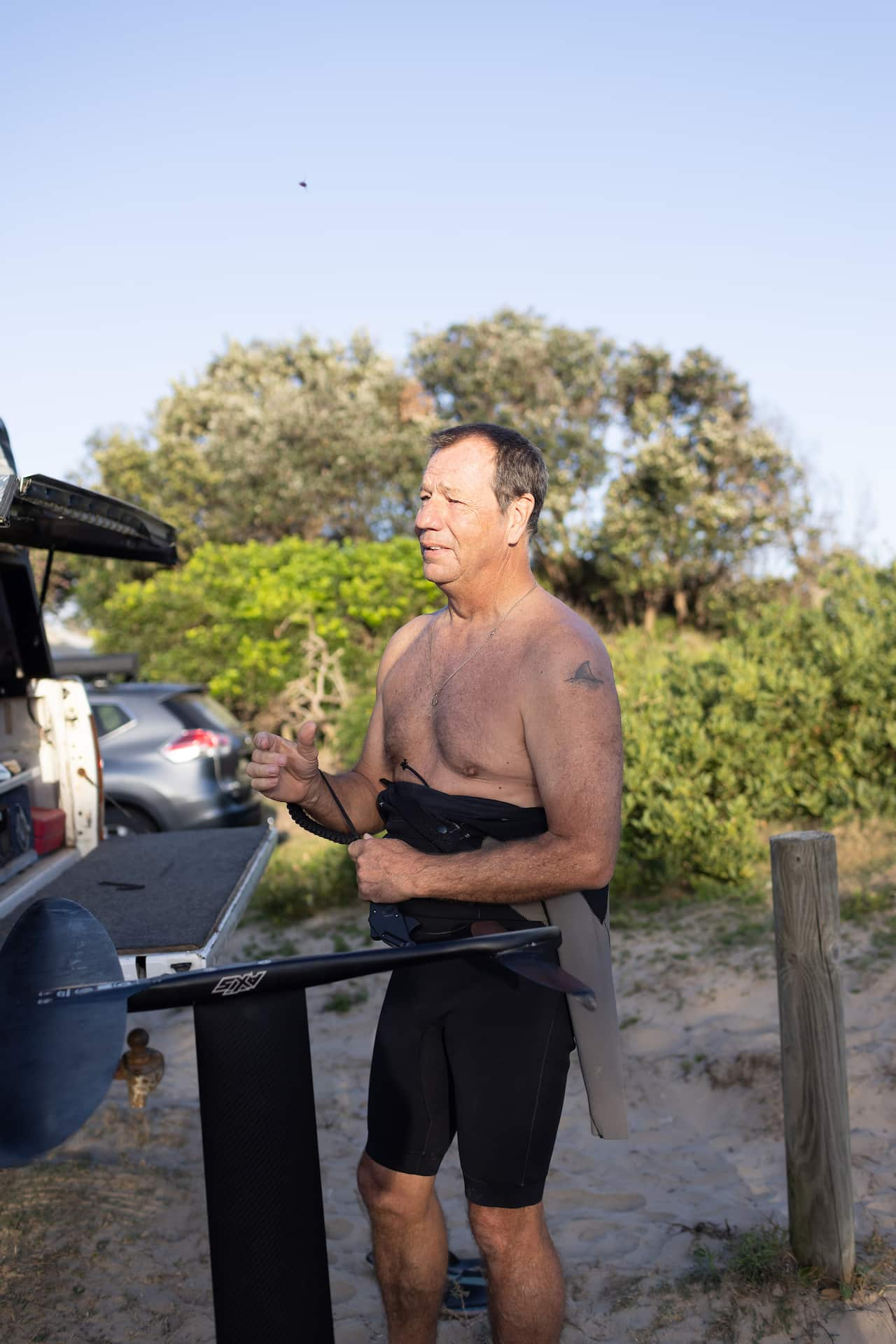
As Pearson's feet touched the seafloor, he found himself feeling momentarily calm at the prospect of dying, but then, turning his mind to his family, he remembers thinking "no, not today", before pushing back to the surface.
He says he was lucky the other surfer didn't listen to him and instead paddled over to help.
Pearson doesn't remember what happened next — memory loss is common among those who have been bitten — but the surfer and another man helped push him through a rip to get back to the beach.
One of the most important parts of my story is that other guys then came and risked their [lives] to make sure that I was out of the ocean.
Pearson was rushed to hospital in a near-death condition, as he had lost almost 40 per cent of his blood, but he survived partly because someone wrapped a makeshift tourniquet around his arm.
Just over a week later, he was back at the beach. He waded into the water up to his waist while he still had a cast on his arm.
"It was a fairly tough experience and I couldn't understand why I was struggling so much just to get wet."
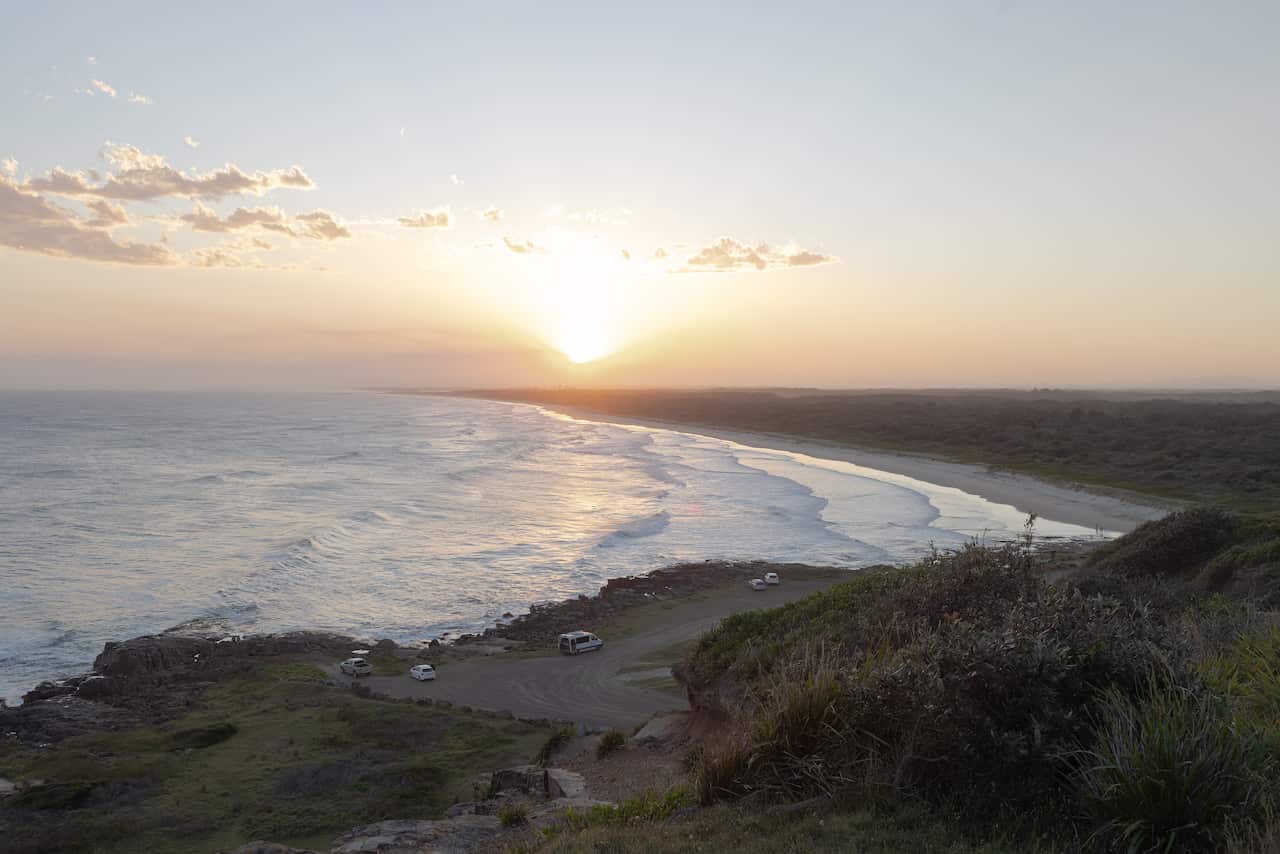
Nightmares started early
The nightmares began fairly soon after the attack but Pearson says, "you just deal with a nightmare like any other nightmare".
It's the tiresome nature of pain that is hard to bear.
"A lot of us are in a lot of pain, not just for weeks; it goes for months and years," he says.
Healing is not a fast process when all your nerves have been severed.
The pain can make it difficult to sleep, and then symptoms of post-traumatic stress disorder (PTSD) emerge. He says, "it's like the whole world's falling apart around you".
Pearson says PTSD usually begins when life returns to normal — often around six to eight months after an attack.
"After my shark attack, I wasn't earning money, so it was important that I got back to work and that was my main focus," he says.
"You put all the [attack] stuff in a basket to deal with later on and unfortunately for most of us, around the six-month [mark] it pops up."
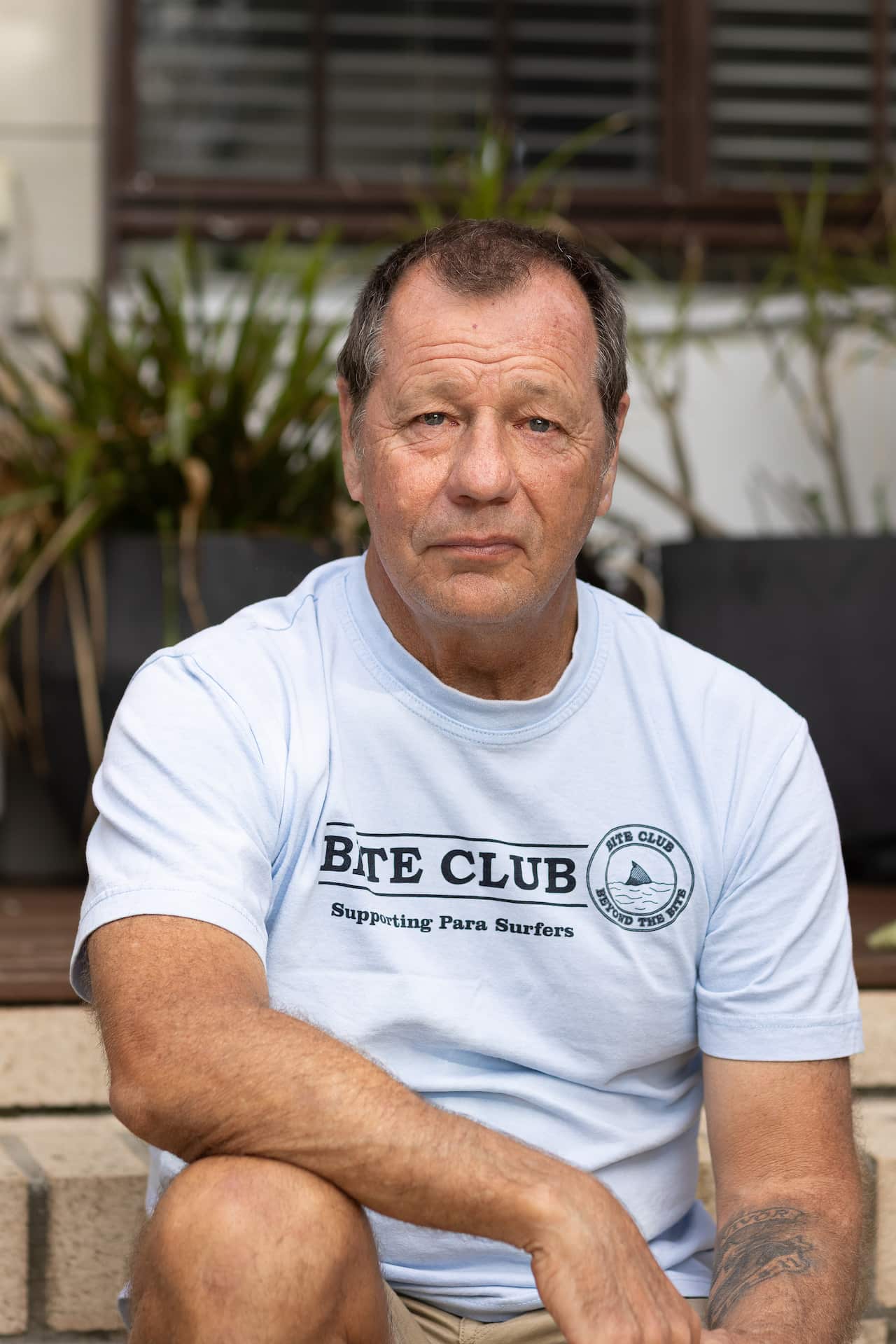
There's also the mental strain of losing access to something you love. Pearson describes himself as a "lifetime surfer" whose parents took him to the beach from their home in Western Sydney almost every weekend in summer when he was a child.
"Surfing became something I really looked forward to [each] week and it was family time together.
"[As I got older] I used to take all my problems down to the ocean. If I had a bad day at work, you just go for a surf.
When that outlet becomes your biggest form of trauma … the mental strain of trying to deal with that is a tough thing.
He says the most surprising thing that has happened to him since the attack, though, is that he is now susceptible to fainting when he's in pain.
"I was the kind of guy who would break his leg and still walk home," he says.
"So that's a funny thing that's happened to me since the attack."
The first — and only — rule of Bite Club
Pearson started Bite Club around 13 years ago after realising there was no support group available for those who had experienced a traumatic attack.
When he was in hospital, he met a girl who had been bitten by a shark the week prior and found they connected over their shared experience.
"It was really comfortable to have a conversation about something that's not comfortable at all."
So he began asking journalists — who often contacted him for interviews — to put him in touch with other survivors.
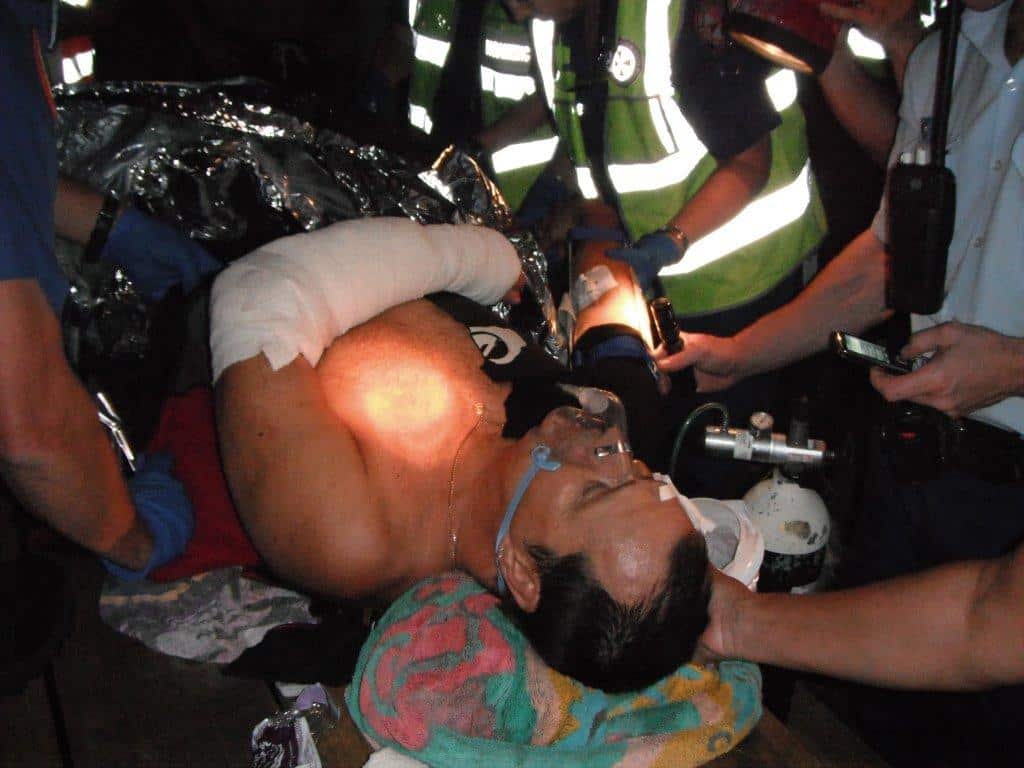
Bite Club now has nearly 600 members, and Pearson helps survivors around Australia and the world connect with each other. When there's an attack, he makes contact with the person and lets them know support is available.
"We can tell them what they can expect, it's fairly generic, unfortunately, that we all go through pretty much the same experiences."
He says the one rule they have is to respect each other, and notes that people's attitudes towards sharks rarely change — even if they are bitten.
"If someone has had a conservation background before their shark attack, they're going to keep that," he says.
Others may feel strongly that sharks should be culled.
Pearson says he has noticed a lot of discussion among surfers in the last three or four years about the potential need for a shark cull.
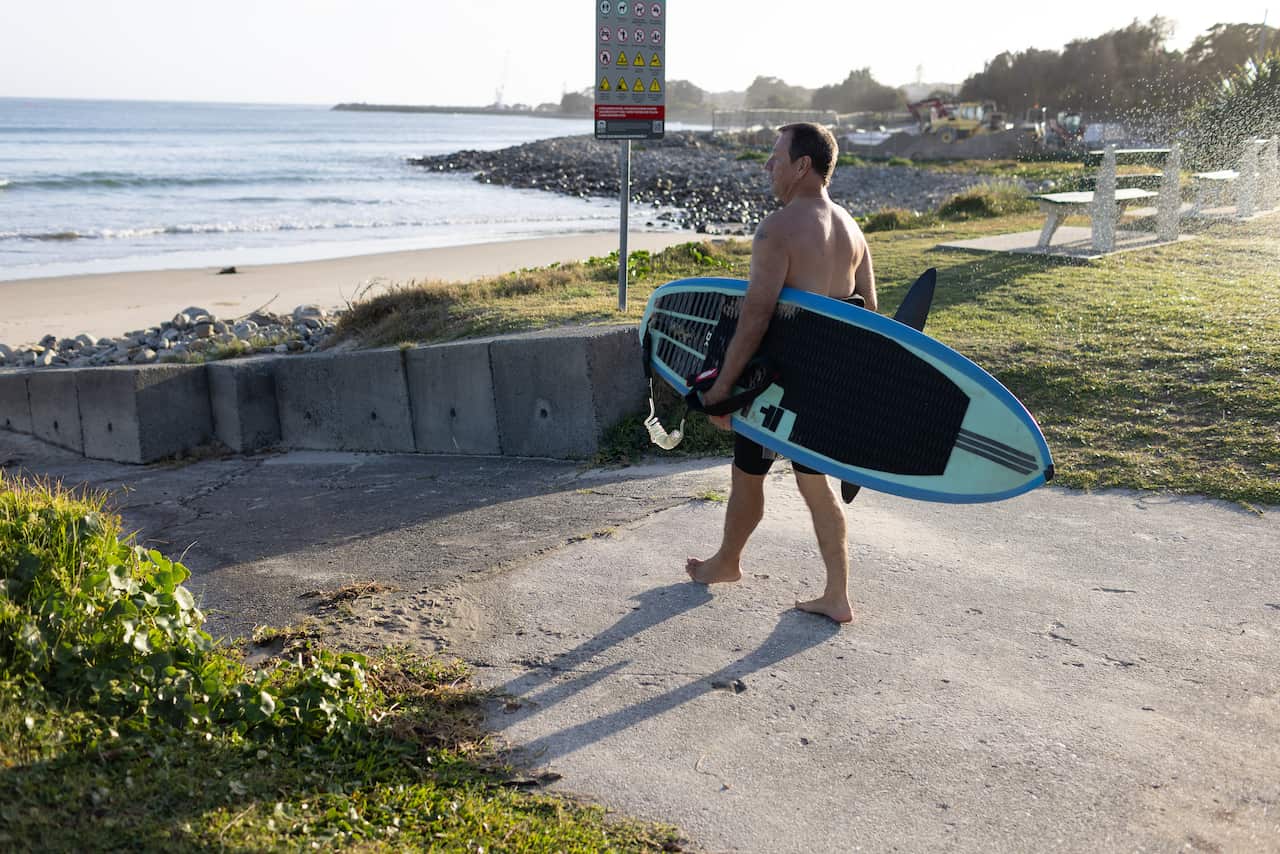
"A lot of people believe there is way too many white sharks out there now," he says.
"You won't get much [public] comment from the surfers, but in private they will tell you how they really feel."
Last week's attack in NSW marks the sixth death this year in Australia, with 23 people bitten in total, according to the Australian Shark Incident Database (ASID).
But the figures remain relatively small when compared with other kinds of fatalities. Many more people die each year from drowning, with 357 deaths in the 2024/25 financial year, according to a report from the Royal Life Saving Australia and Surf Life Saving Australia.
Australians are also more likely to be killed by a horse, cow, dog, kangaroo, snake or bee than by a shark, data from the National Coronial Information System shows.
"It's no more risky than anything else we do on a daily basis," Pearson says.
"One of the things we try to do within Bite Club is to educate people on the risks in the ocean."
Since his attack, he has become more alert to warning signs that a shark is nearby. There are no shark nets at his local beach, so Pearson relies on his own strategies.
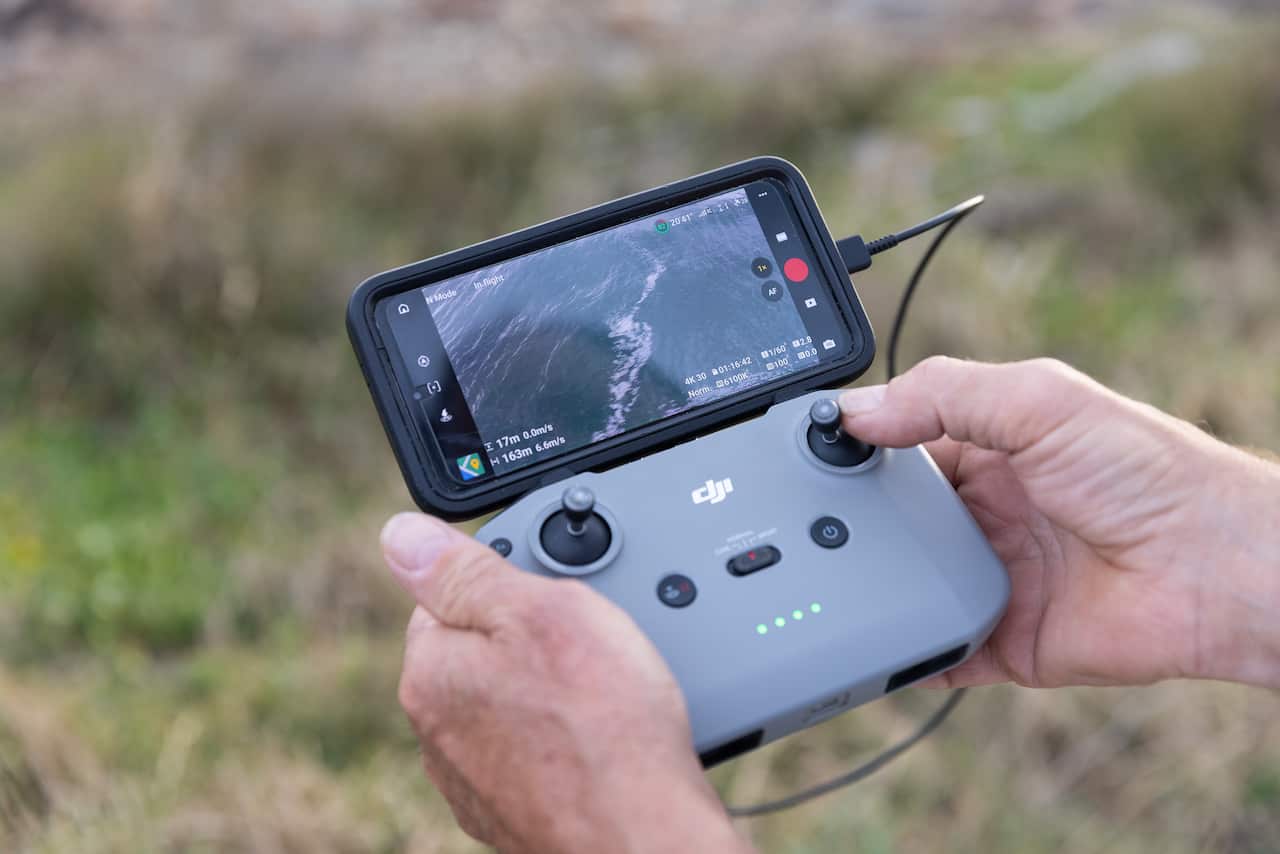
He won't go in the water if it is murky, or if he sees fish, birds or dolphins. He steers clear of anyone fishing and uses a drone to check for fins before heading out for a surf.
I give myself every opportunity to get out of the ocean alive.
Pearson says he tries to maintain a neutral stance on shark culling because he knows that his ability to listen and communicate with all Bite Club members is important.
"I don't want to argue the point with someone because it will not help what I'm trying to do — to help them get back to a productive lifestyle, or back to a semi-normal lifestyle."
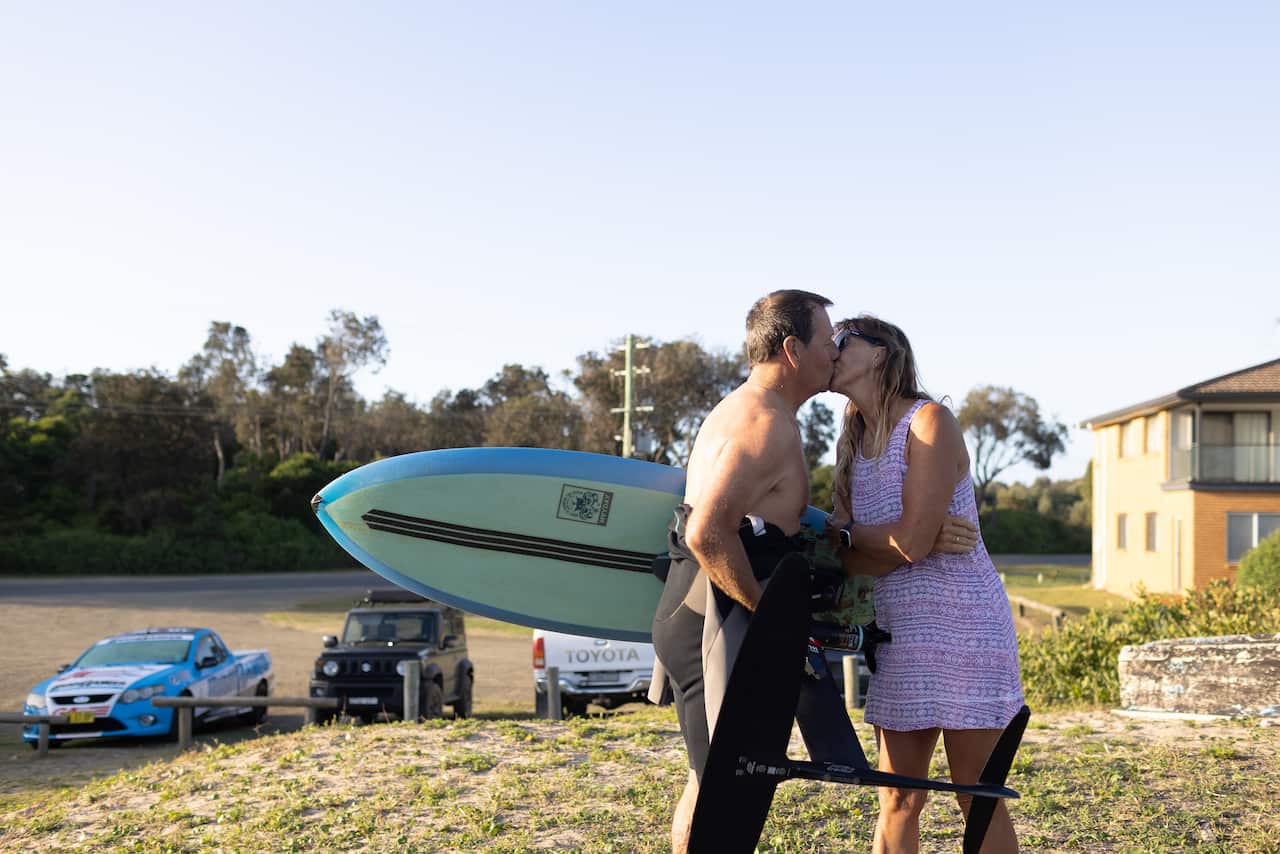
He says many members also receive hateful messages on social media after an attack, from those blaming them for shark mitigation measures.
"If people weren't attacked, then there wouldn't be any need for shark mitigation. It becomes grounds for people to vent their anger on someone," he says.
"I've had two members of our group nearly take their own lives because of that sort of rubbish.
"People need to know that their words can have very dire consequences."
Back to surfing
When Pearson started surfing again, 10 weeks after being attacked, it was a struggle. He had no movement in his left arm from the elbow down, which made it difficult to lift himself up onto the board.
Once he mastered that, he kept seeing sharks in the water.
"I had six encounters in the first four months after my attack. If there was a shark around, it was going to come and see me. It was just the weirdest year of surfing."
He also remembers one day when he saw a bull shark in the waves and felt like it was stalking him.
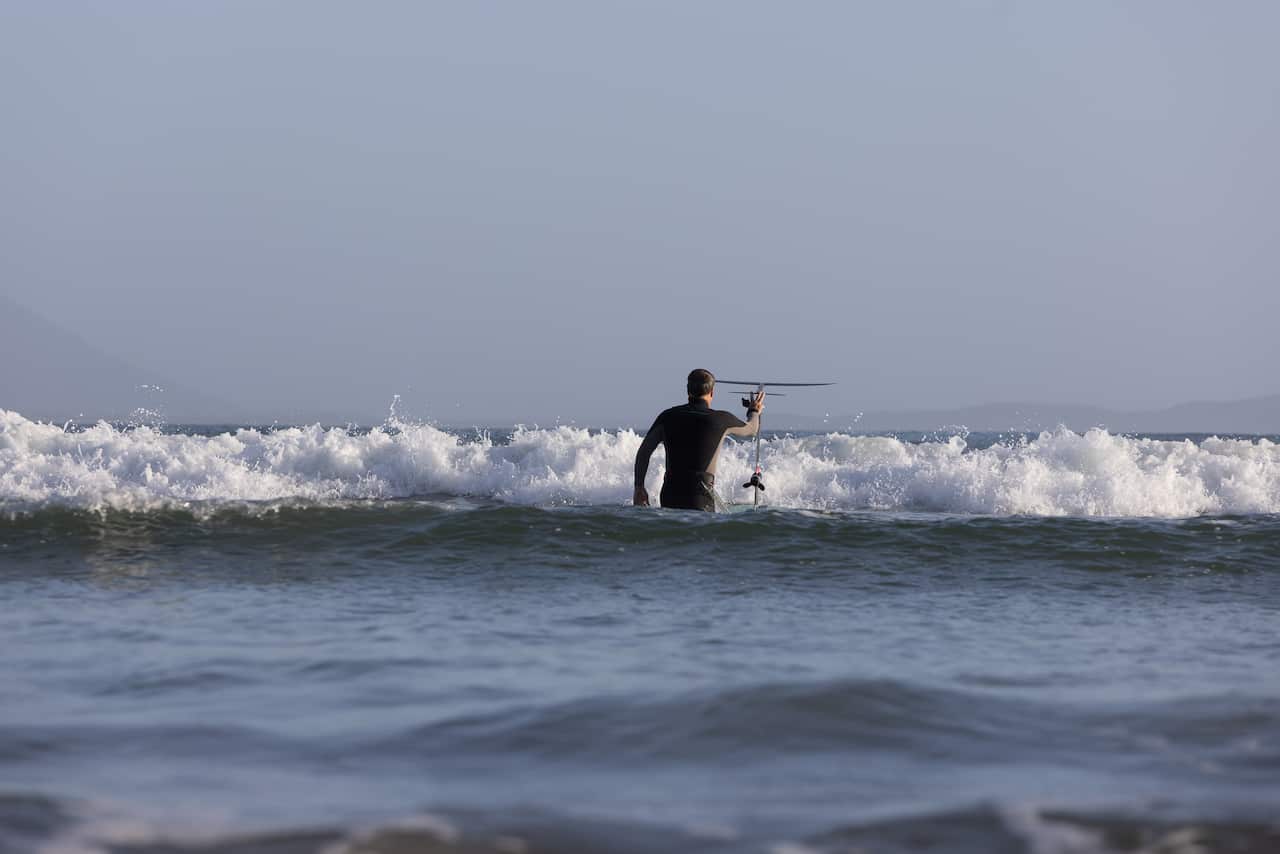
"No matter where I turned to, the shark went.
"I remember getting out and … rode right up to the sand, took my leg rope off and threw my board into the bush.
"I just said: 'I'm not doing this anymore, I can't surf'. It was probably one of the most emotional decisions I'd ever made.
I just sat on the beach and cried.
But his son put his arm around him and suggested they go further up the beach.
"We went for another quick paddle; it wasn't comfortable at all but it was a 'get back on the bike' situation."
This is also one of the reasons Pearson decided to go for a quick paddle last Friday, the day after 25-year-old Livia Mühlheim was killed close to where he had also been attacked.
He checked the conditions with his drone first, looking for any signs of sharks, and then had a quick 15-minute surf.
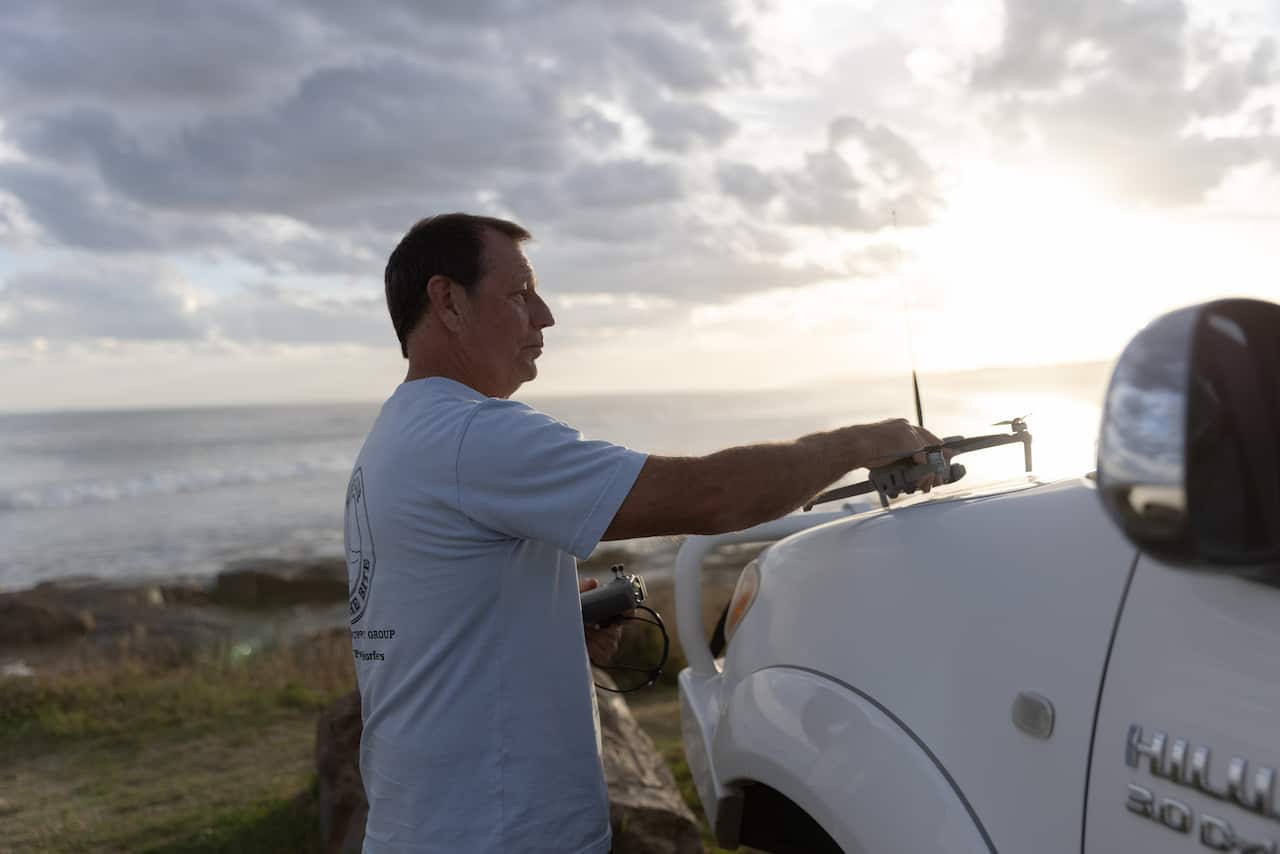
"I got out and was feeling good about it. That allowed me to get on with my Friday."
Pearson notes that at least one of the surfers who helped him on the day he was bitten has since stopped surfing.
"That's one of the things we discovered — it wasn't just my shark attack, it [impacted] all the guys who were at the beach that afternoon," he says.
Some people never go into the water again, or might gradually back away from surfing or swimming. Others, like Pearson, find ways to assess the risks and get back in.
"I keep doing it because it does make me feel good," he says.
"You don't even have to catch waves. Some days you sit out there and maybe you have a few mates there, you have a quick chat.
"That's why I still love it, but there are days that I don't."







